WJ hasn’t always been so diverse, what is now a culturally aware and varied student body was once majority white with prevalent racial tension. The racial imbalance of Montgomery County Public Schools (MCPS) was once so prominent that there were Board of Education meetings on how to improve learning for minority students and make teachers more understanding of all backgrounds.
In the beginning
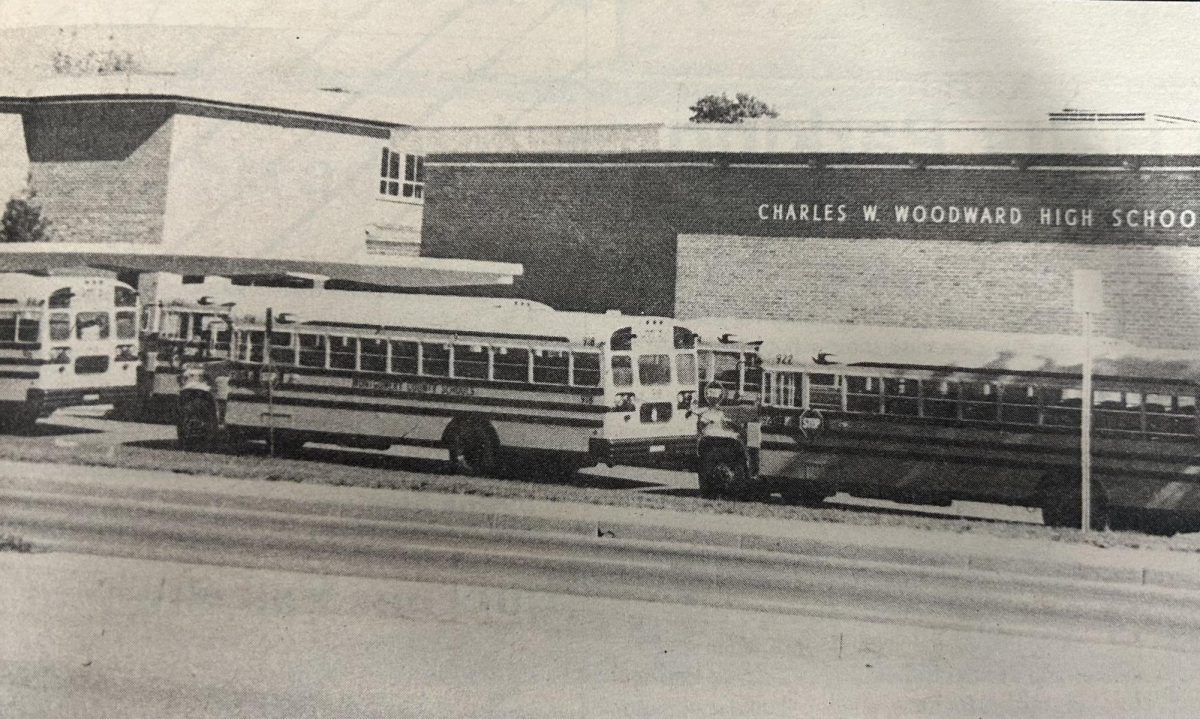
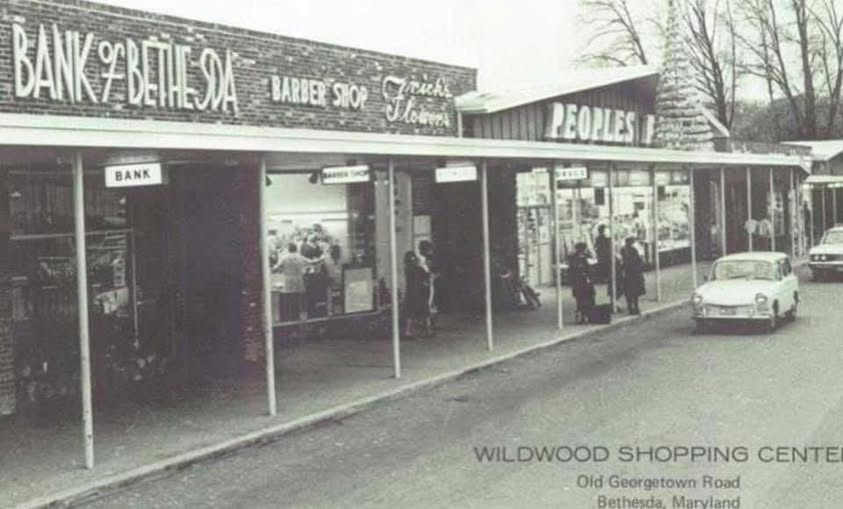
After the Supreme Court case Brown v Board in 1954, it was decided to start desegregating schools due to the violation of the Equal Protection and Due Process clauses of the Fourteenth Amendment. The civil rights movement that followed was only addressed in The Pitch in 1967, with the question of whether or not black students should be bused from Washington, DC to WJ. The response from most of the faculty was negative, and in a survey regarding students’ opinions, they agreed with the teachers. Although students didn’t believe that African-American students should be bused to WJ, they acknowledged the fact that they would still be accepted.
At this time, there was already a program where 27 teenagers from segregated high schools lived with Walt Whitman students and attended their classes. In an article from 1967, senior Bob Pollin said that the program was created to bring in a more diverse group of students and wasn’t focussed on, “ primarily black and white.” An anonymous student from Whitman said that “Everywhere we went, the people were just too kind… There was no unfriendliness anywhere.”
In a 2011 Pitch article, Wildcat Lore: Traditions and Mascots of WJ’s Past, by past Print Feature Editor Sari Amiel, spoke about the history of WJ and its mascots. Although the focus was on another subject, previous Media Services Technician and WJ ‘62 alum Tyrone Huber, Sr., mentioned how there were only three African American people in the school– without noting if they were students or faculty or both.
“The more you are exposed to other races, religions [and] cultures, the less…bigotry [there will be],” Tyrone Huber, Sr. said in the article.
In 1991, the Board of Education of Montgomery County held a worksession on minority education issues. One of those present was Dr. Edmund Gordon, an influential African-American educator and psychologist. Although he was a part of this meeting, he was not mentioned in the attendance at the beginning of the transcript. He was there to educate the Board about the minority experience in MCPS schools, noting “there’s more to minority education than the minority status.” As part of expanding teachers’ knowledge, they were trained in different subjects, in order to help minority students feel comfortable with mastering the programs.
The debrief mentions that the minority community in MCPS felt that others did not care about their behaviors or their potential.
“It may be that teachers needed to be helped with their skills, but it was inconceivable to him that people had to be taught how to respect other human beings,” Dr. Gordon mentioned in his report of MCPS.
Entering the 2000’s
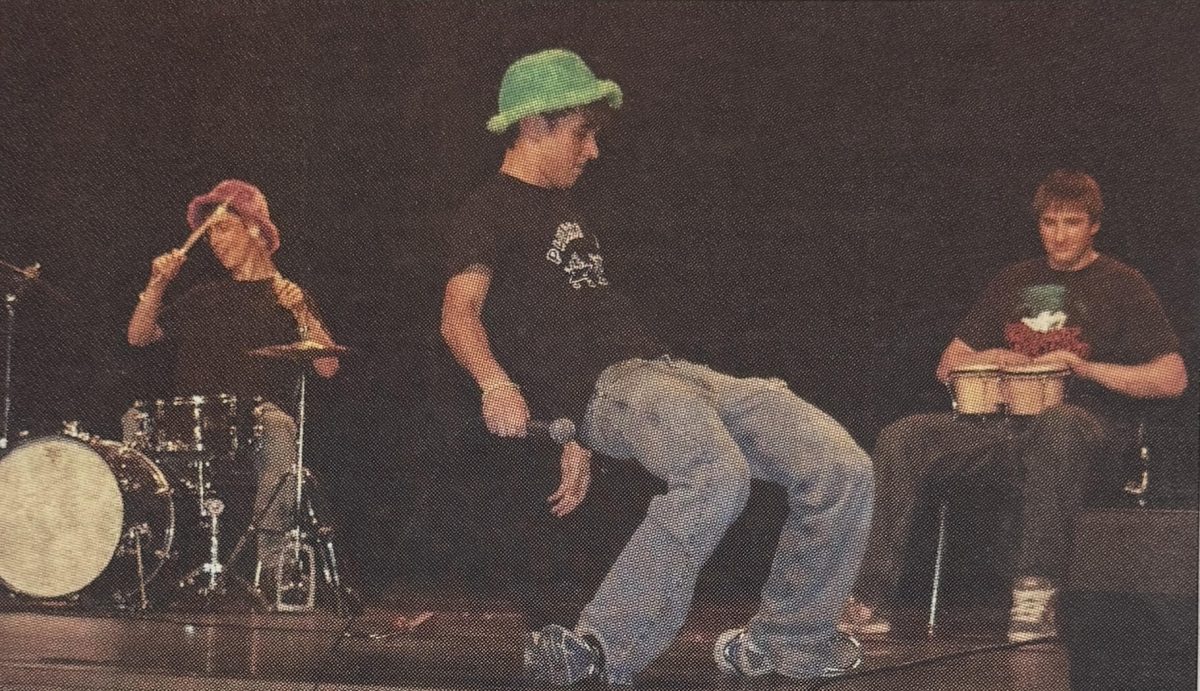
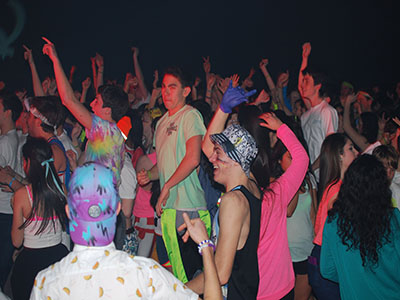
Diversity among WJ began to thrive during the 2000’s with more cultural event coverage such as the Student Unions and heritage month assemblies, an Honors Society ‘Open Mic Night’ and International Night; even creations of a unity group called “We Are WJ” founded by former principal Jennifer Baker.
The Minority Scholars Program is a notable program introduced in WJ during 2005 to reduce the opportunity gap and help students of all kinds, particularly students of colour. The goals of this student lead club is to increase academic achievement and strengthen positive relationships between students and staff.
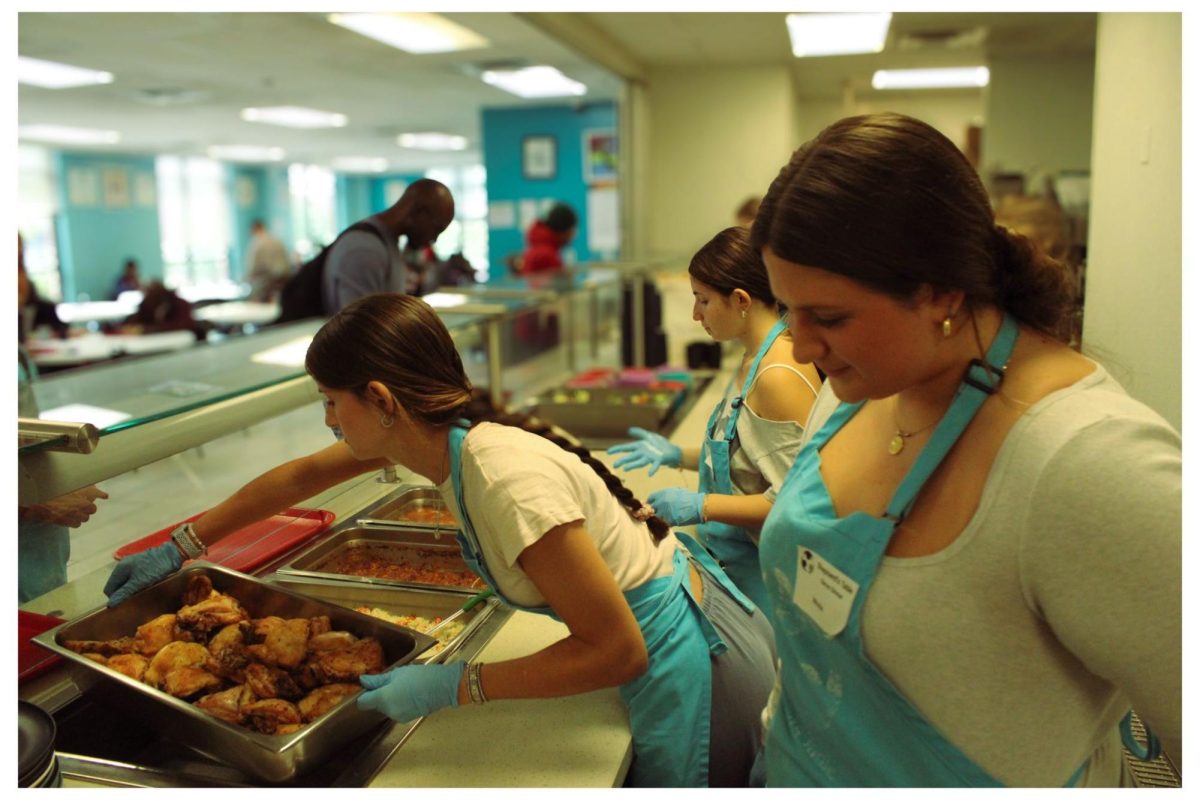
Before International Night, in 2009, there was a Persian Culture Night hosted in the cafeteria. This opportunity brought the community together, with food, dancing and music. The profits from this event went to the Children of Persia charity.

During the late 2010s, the popularity of cultural events rose rapidly, eventually culminating the creation of International night. “International Night shows unique aspects of different countries,” written by a past Pitch student, mentions the importance of this annual event in order to “showcase the best and most interesting parts of different countries and their cultures.” Now, there are multiple events where students can be educated about others’ history.
Former Principal Jennifer Baker also created a unity campaign with the help of the Minority Scholars Program Tri-Coordinator Debra Delavan, called “We Are WJ,” after there was a shift in cultural attitudes in 2016. This spike of racist and xenophobic harassment caused the community to come together to create this campaign.
“Our objective is to make sure everyone feels safe in this environment,” SGA Vice President Sarah Sabet said. “Due to recent events, our society seems to be losing respect for cultural diversity. We aim to promote cultural diversity and open people’s eyes to how diverse our school really is [with the initiative].”
Now, there are multiple events where students can be educated about others’ history.
70 years since the beginning
Aside from learning through assemblies, students learn about each other throughout the day-to-day whether it be through one’s experiences or basic interactions. The special thing about WJ is that there are opportunities that allow students who may not have started with friends from feeder schools or the ability to communicate easily.
“I moved here two years ago, so my English speaking abilities were not top-notch and it made my confidence drop,” Rian Valenzuela, current senior and President of the Southeast Asian Student Union said. “Over time, I’ve met great people and mentors who embraced me and made me feel welcomed in the school.”
2020 was a year that shifted the balance for most people of color. The coronavirus pandemic struck, and racism and prejudice towards people of color spread once more. Class of ‘21 Editor-in-Chief, Siddharth Srinivasan, wrote an article highlighting this issue on how unsettling events like a pandemic often lead to increased paranoia and hate. They stated that, “All it takes is a simple catalyst, like the outbreak of some virus, a coordinated terrorist attack or a global war, and we sound society’s death knell.”
However, since then there has been public pushback against the mistreatment of minorities. Students at WJ have also used their voices to advocate for equality. Helping boost concerns about injustices through movements, videos, assemblies and speeches. Different student unions and programs have also been created in order to bring connection and support to many students who have similar backgrounds.
“Our school does a good job of bringing cultural awareness because we have so many assemblies,” senior Sarem Tamru, BSU officer and Healing Hands Officer said.
Students at WJ aim for parity and use their student voices as a way to speak up on issues happening in current times; going back to the Black Lives Matter Movement, Stop AAPI Hate, to the current times of protesting against I.C.E (United States Immigration and Customs Enforcement) the students of MCPS have protested and showed support for human rights. Using modern technology in order to organize protests and inform others about things that are going on in our community.
No matter who you are and where you come from, WJ has grown from a place of obliviousness to cultural differences to a more educated and welcoming environment.
-
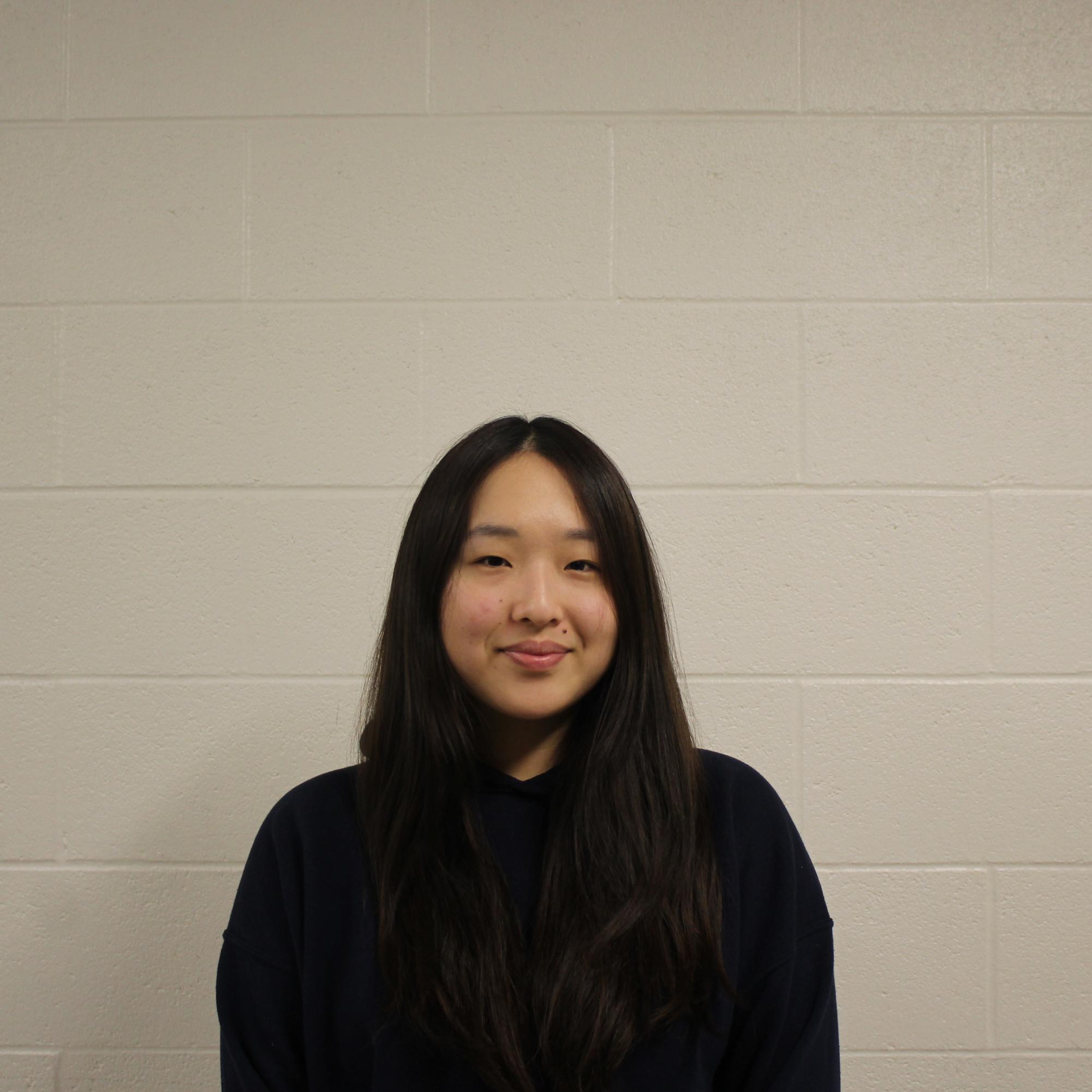
“I think our community deserves to have our stories taught in the education we learn about,” senior Anna John, Senior Class President said. “Simple things like cultural traditions would be an amazing way to have a more inclusive education.”
-
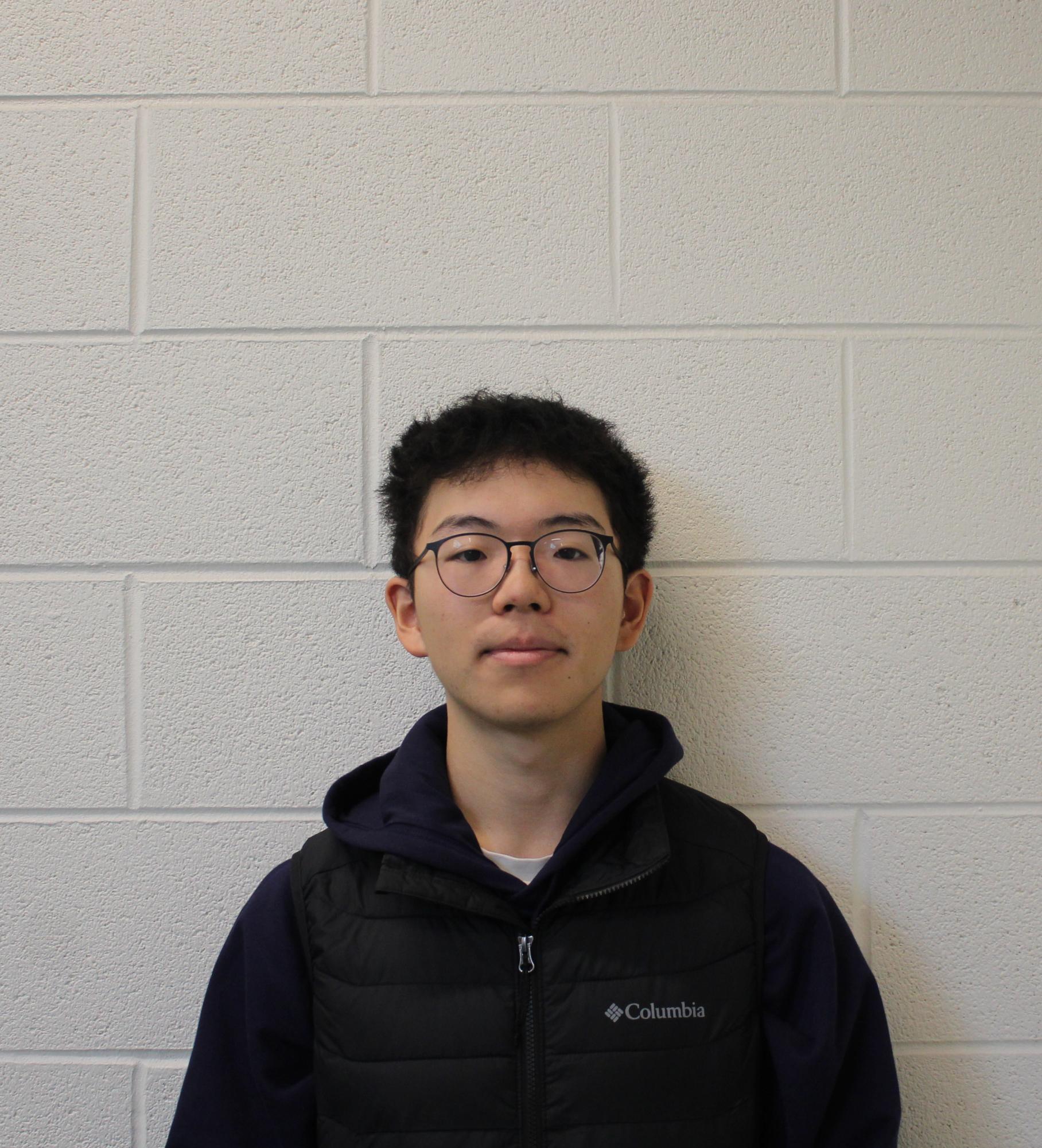
“I think it’s important to get to know everyone and understand their backgrounds, so we can form a better community,” junior Gihoon Kuh, president of the Asian American Student Union, said.
-
“I feel like it’s very representative,” freshman Luis DeMelo said. “I don’t see racism in the hallways, everybody’s nice to eachother.”