The final buzzer had already blurred out, but the night was just starting, as students poured out of the stadium, voices raised adrenaline starting to buzz even more. What should have ended as another normal matchup, ended in heavy police attention, administrative intervention and eventual national headlines. The Walter Johnson-Bethesda-Chevy Chase football game in 2023 was not just any rivalry matchup, it was a cataclysmic breaking point. A breaking point that erupted in multiple fights, with numerous reports of guns present.
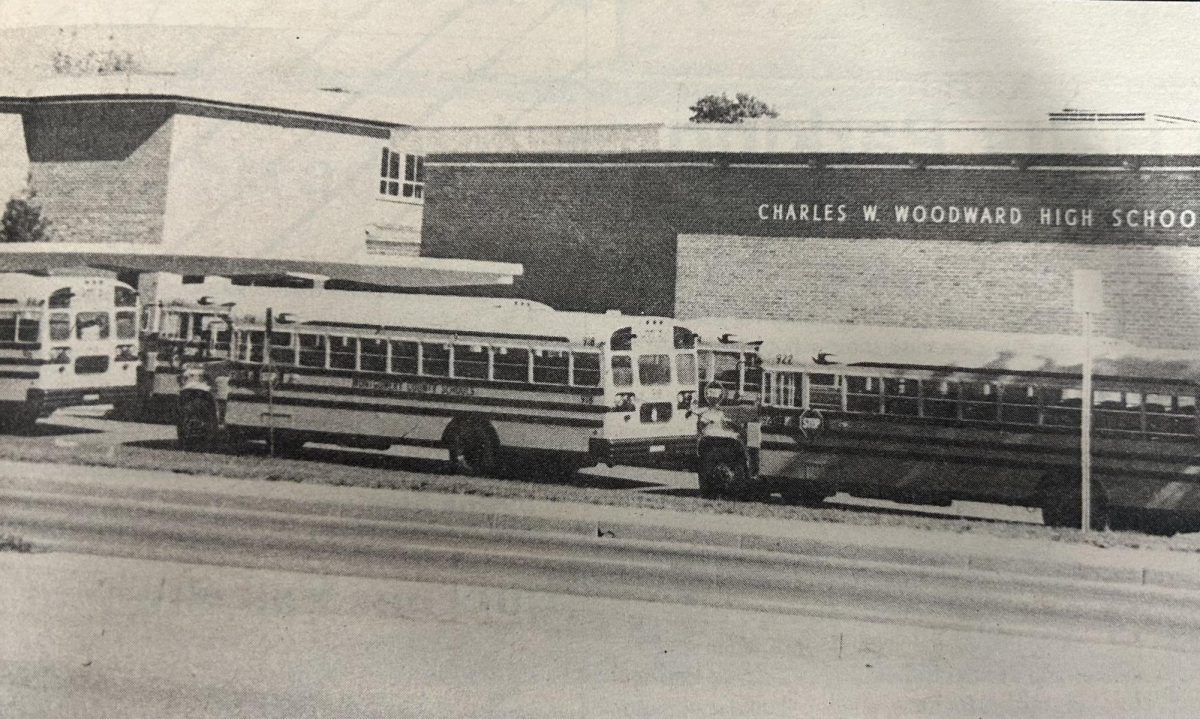
To zoom out, the rivalry between the Walter Johnson Wildcats and Bethesda-Chevy Chase Barons did not begin with a single game, incident or insult. It has grown steadily over the last 70 years, formed by proximity, constantly reinforced by comparison and sustained by meaningful and exciting tradition. Two schools separated by only a few miles were bound to compete, and over time, this competition hardened their own respective identities. To be a Baron means to “hate” a Wildcat, and vice versa.
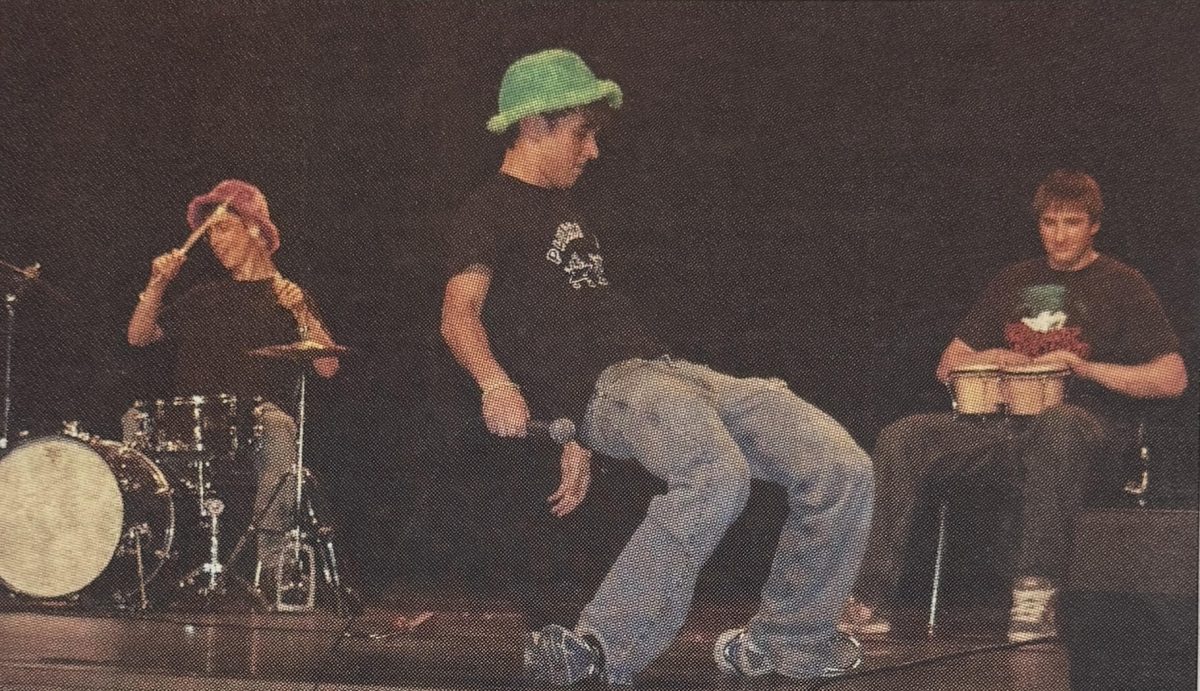
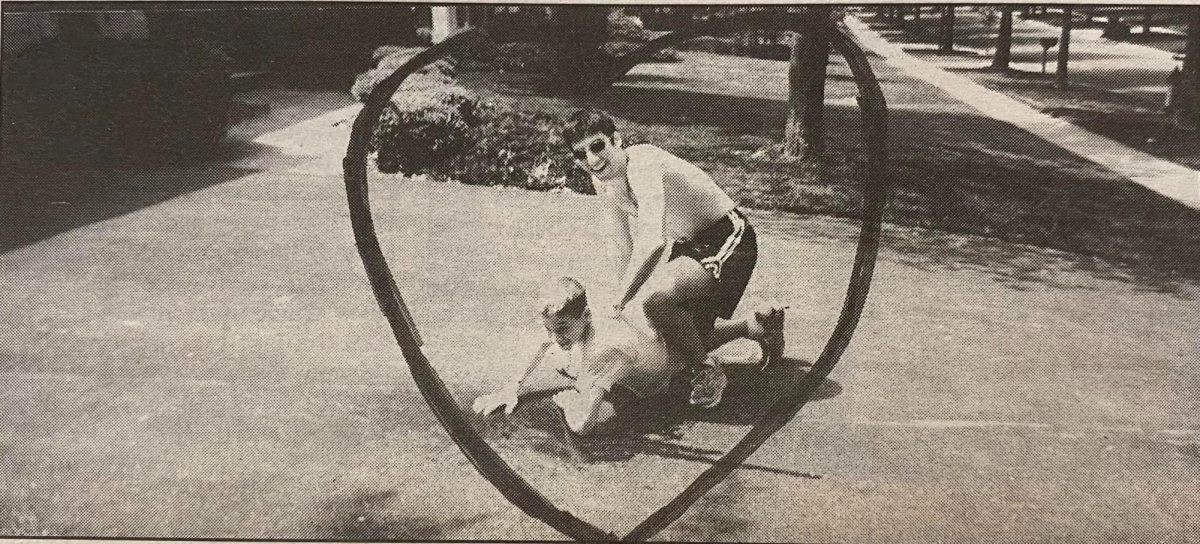
For decades, the WJ-B-CC rivalry functioned just like most rivalries do: a source of pride, motivation and school spirit. Pep rallies, chants and packed games gave students a sense of belonging and groupthink. The “us vs them” mentality wasn’t about hatred, it was about belonging to something and creating unity. For example, WJ students put the Barons’ mascots in a coffin, a practice that first surfaced in 1969 during “BCC WEEK.” This rivalry was something that students turned to- it was the marquee matchup every season. This was particularly illuminated by the ‘fright day’ held every year during the many festivities. The 1970 Pitch describes a day of parades and pep rallies to drum up support for the annual Barons game.
“In the fall of 2017, my senior year, there was a period that felt like a few months where the students of WJ and BCC took the activity to another level,” Seth Cohen, a 2018 WJ graduate said. “It transcended past sports and at times felt personal.”
Multiple reports of vandalism on both campuses seemed to be a symbol of the changing rivalry.
“One specific event that took place was at the Cabin John Ice RIck where a fight broke out between the two schools,” Cohen said. “I was in the stands with my friends and all of a sudden punches were thrown and people were falling on top of one another.”
Like Heraclitus professes, all things in life do not remain static. As student culture changes, so does the meaning of competition. In 2023, the energy surrounding the WJ-B-CC matchup crossed a new threshold. What had been a symbolic opposition became a physical conflict, forcing administrators and police to treat the game as a high-risk event rather than a celebration of school spirit.
The question is not just what happened in 2023, but why it happened then. Increased tensions were reinforced by social media, the normalization of extreme rivalry language and traditions that were never reevaluated. When rivalry becomes performative, designed to provoke hate rather than provide camaraderie to its respective school, it loses its purpose.
Chants, mock funerals, and exaggerated symbolism were once seen as harmless expressions of school pride. But stripped of context and amplified by the online narrative, those same traditions can blur into animosity. When rivalry becomes about humiliating the other side rather than uplifting one’s own, the culture shifts.
Seventy years after the rivalry began, the responsibility now falls on both schools to decide what it should look like going forward. Rivalries can still inspire pride and passion, but only if they are guided by pride, not hate. The events of 2023 were not the death of the WJ-B-CC rivalry. They are a lesson about what happens when tradition outpaces reflection and understanding.
The question now is whether we will consciously create a rivalry defined by competition going forward, or be remembered for crossing a line and never getting back on track.