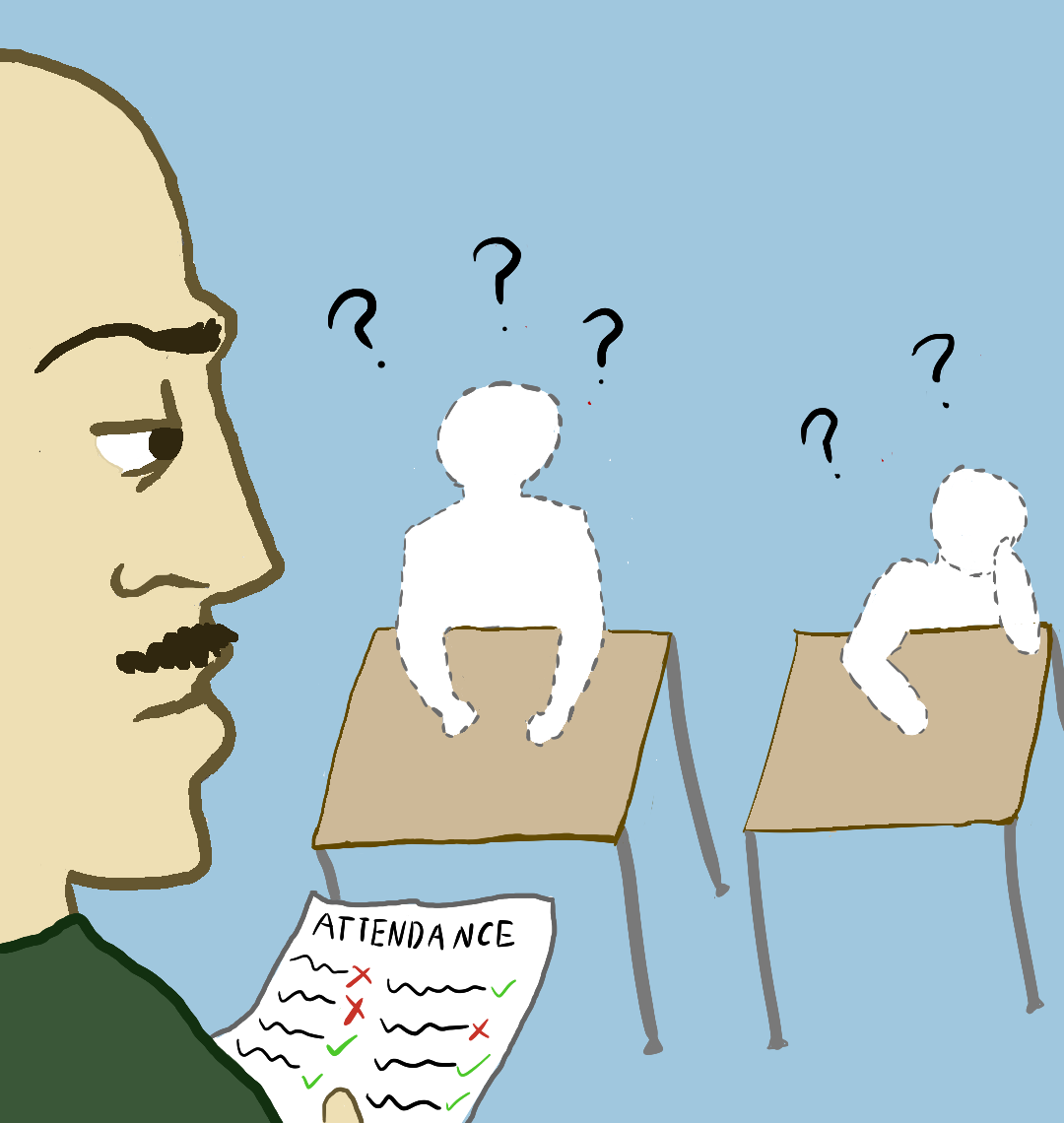

Teachers: Have you ever wondered how students pick their favorite teachers? Have you ever asked yourself, “What can I be doing to gain appreciation from my 100+ students?” If so, you’re in luck; while students have different preferences for their ideal teacher, there are three characteristics that students tend to value:
1. Relatability and Common Interests
Since teachers are tasked with managing an entire class, it is true that they need to be authoritative in some capacity to maintain classroom order. But why should that mean that you can’t be relatable?
Did you just see a movie last weekend? You’ll most likely have a student who saw it too. The same goes for sporting events or vacations. Students are more likely to listen and obey a teacher that they establish a bond with, and the best way to do this is by sharing things about yourself in an attempt to build a relationship.
“[I like it] when they include all students with fairness, and they treat everyone the same way,” freshman Angelo Hajiev said. “Maybe find interests of students and do activities with such interests.”
Even though students might forget it, teachers are people too. Some of the best teachers are the ones who make their students realize that.
2. Helpfulness and Attentiveness
Academically, students succeed with teachers who are attentive to whether or not their students are understanding the material. Some students need content to be repeated multiple times in order for them to “get it”, and those students benefit from a teacher who has the patience to reteach material.
“I think the biggest green flag is when a teacher always greets you, and they always encourage you no matter how bad or good your grade is, they keep pushing you. [Teachers like this] motivate students to do better everyday,” senior Bryan Huang said.
When a teacher is patient, it can even lead to them being considered a trusted adult to the student. It’s important to remember that some students may be coming to school from unstable family circumstances and that they therefore might not trust their parents or caregivers enough to come to them with challenges. With this in mind, the role of a teacher becomes much more important.
As students are still young and maturing, they make a lot of mistakes and don’t always have everything figured out, therefore teachers sometimes need to step in to guide them. Finding the time to answer questions during class or making their classroom available during lunch are two steps a teacher can take towards achieving this goal.
3. Passion and Spirit
Students want a teacher who can fill the room with energy right when students step into the classroom. The type of teacher who can speak so loudly and triumphantly that it optimizes the number of students engaged and participating.
Many students value teachers who show up to class with a smile, as it sets the tone for the school day.
“Making a good facial impression is important,” Huang said. “Students might think ‘oh the teacher doesn’t like me or not like me’ so I think facial expressions are really important [for teachers].”
For high school especially, students are thinking about what they want to do in college and beyond. Oftentimes, this type of teacher can inspire a student to pursue a career in their teaching subject. Sometimes all it takes is a good psychology teacher to inspire a student to major in psychology or a science teacher to make them want to be a chemistry major. A passionate teacher can spark interest into a previously untapped interest of a student and could alter the course of their whole career.
Ultimately, any of these characteristics make a teacher a “good” teacher, and different students will rank these three teaching traits differently based on preference.
If you’re a teacher who has one of these characteristics, you’ll be a good teacher for the right type of student. But if you’re a teacher who has all of these, there’s a higher chance you’ll be adored by many students and become one of WJ’s favorite teachers.