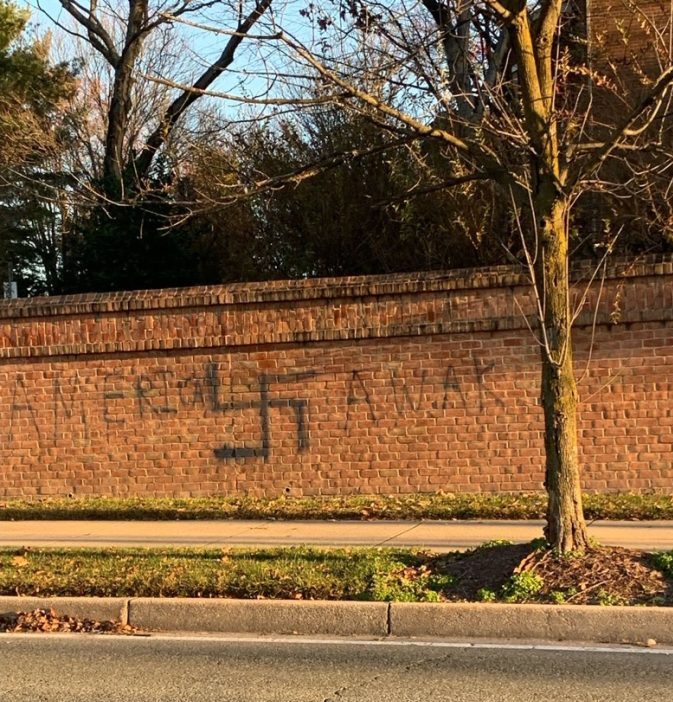

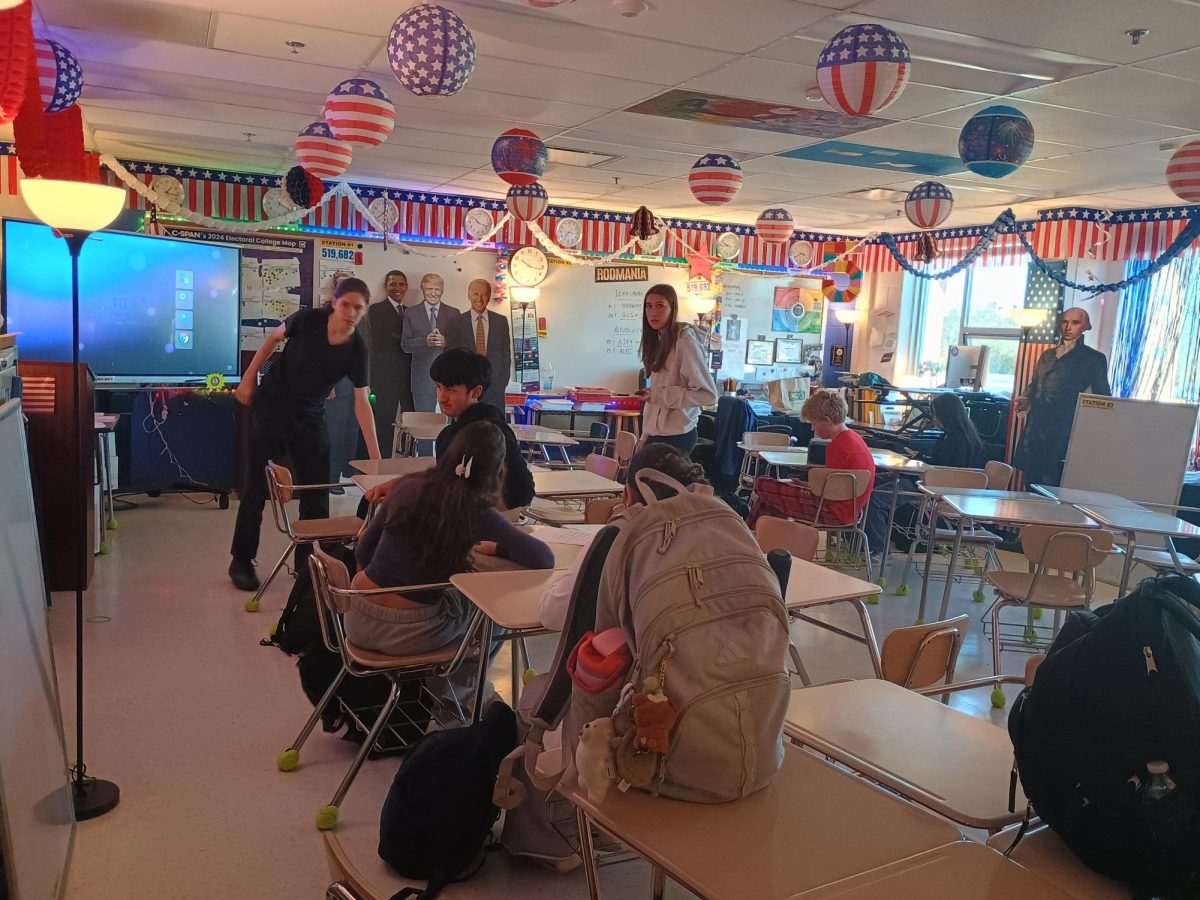
Generation Z has been relatively engaged and active regarding politics and current affairs. In many classes, especially those relating to social studies, students have discussions about US relations, international conflicts, the economy, immigration and education.
“In my AP Human Geography and AP U.S. History classes, discussions sometimes turn to government or political topics because of the nature of the course,” sophomore Veer Anand said. “In APUSH, we might talk about past policies like the progressives in the 1920s, while in AP Human Geography, we sometimes discuss current events, like what’s happening in Iran or Ukraine.”
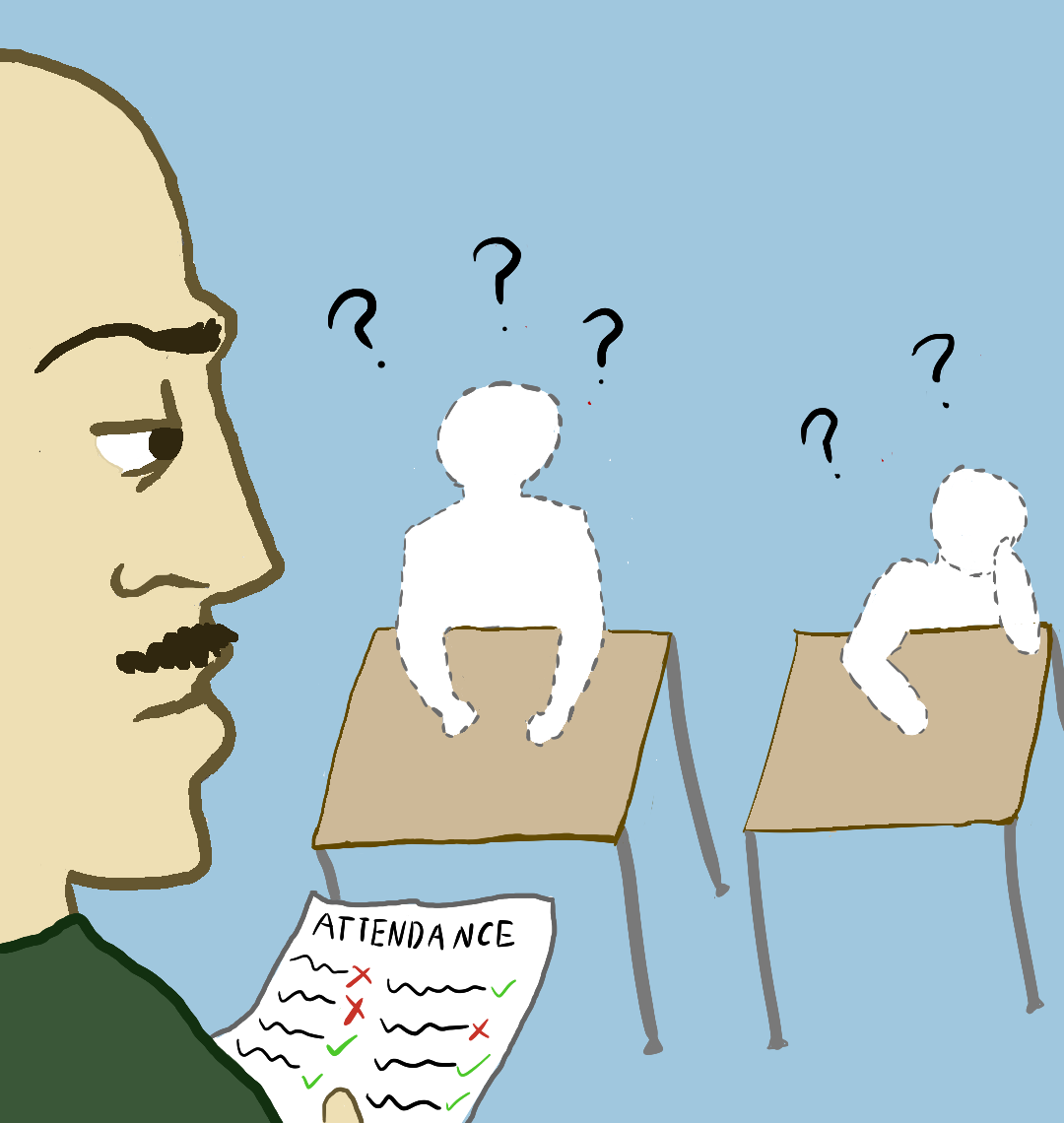
Some students are more actively engaged than others, presenting their opinions and showcasing their knowledge. Others choose to remain silent and observe instead. No matter what side a student is on, political engagements like these have become more common in classrooms.
“I have held back from speaking about politics in earlier years,” junior Ernest Pedregosa said. “But since meeting a lot of friends who have some similar political opinions as me, I have been a bit more vocal than I was.”
Although students are the ones engaging in these political discussions, teachers are responsible for keeping things under control while maintaining a respectful classroom environment.
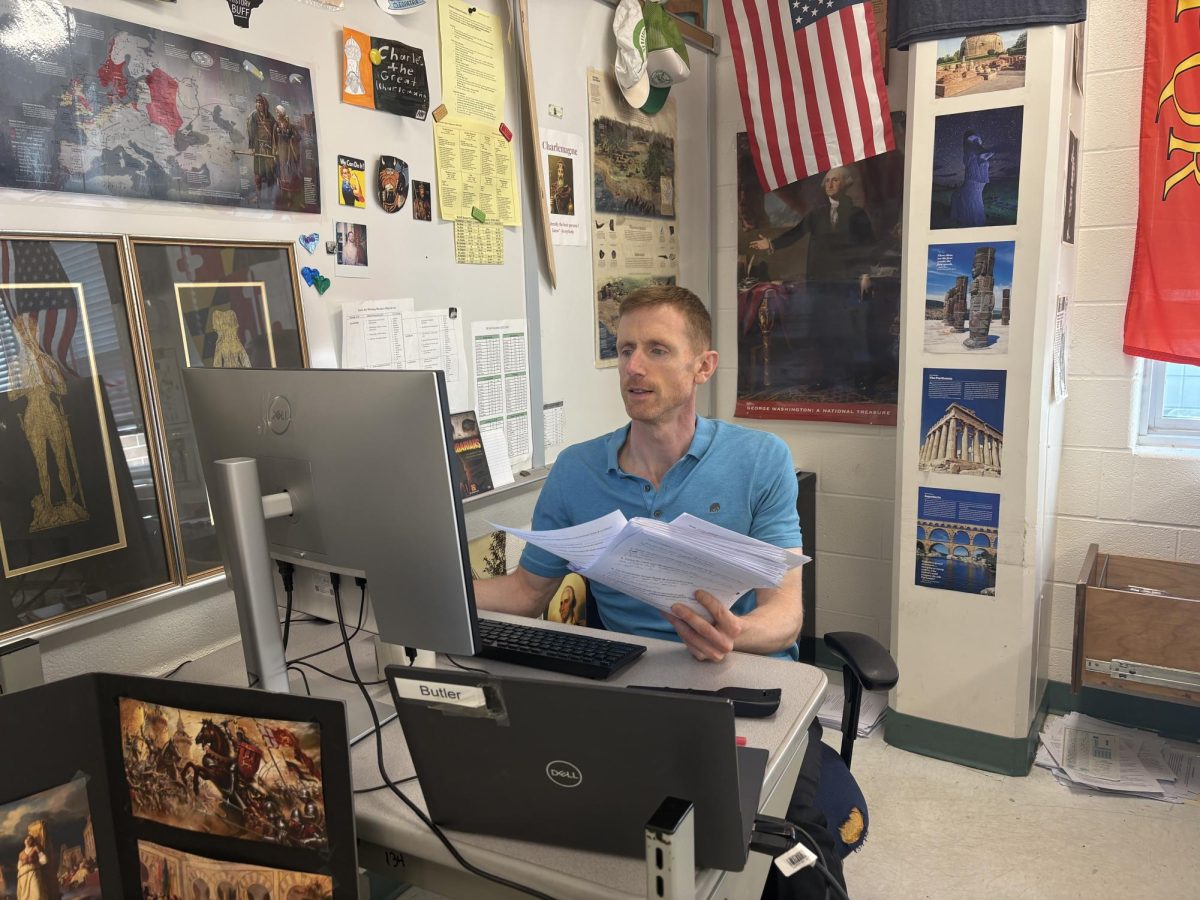
“I have never told anyone my political affiliation, and I never would,” AP Human Geography and AP World teacher Christopher Merrill said. “I don’t think that’s important, and I ask students to be open-minded, and if they don’t agree with someone, to just listen to them.”
Often, students can get emotional when debating controversial issues, which is why teachers, as trained adults, are there to support any student in need.
“I think that there are people who kind of know that what they think is not popular, and I don’t think they want to say what they are thinking,” AP Gov teacher Elizabeth Kelley said. “I see some students who turn in written statements that I don’t think they would want to say out loud.”
It’s impossible for teachers to remain completely neutral in class discussions. Teacher biases often impact students and their debate.
“Well, usually when there are political discussions, they are a bit more one-sided, and teachers have a very straightforward political opinion,” Pedregosa said. “Sometimes it’s a bit awkward, and it’s really impossible to ask people to be impartial.”
Although speaking about politics in school is crucial for students to stay up to date on current events, when teachers instigate political discussions, it can leave students feeling isolated or even guilty regarding their ideologies.
“If you don’t have an environment for peaceful dialogue, then you decrease your chance of getting all kinds of perspectives,” senior George Kuchio said. “If people can’t share their perspectives out of fear for how they will be treated afterwards, i.e., plain mistreatment, then you will only have a limited perspective of ideals that we should be looking towards.”