
May 4. The first day of the long two weeks of AP exams that students have been preparing for all year.
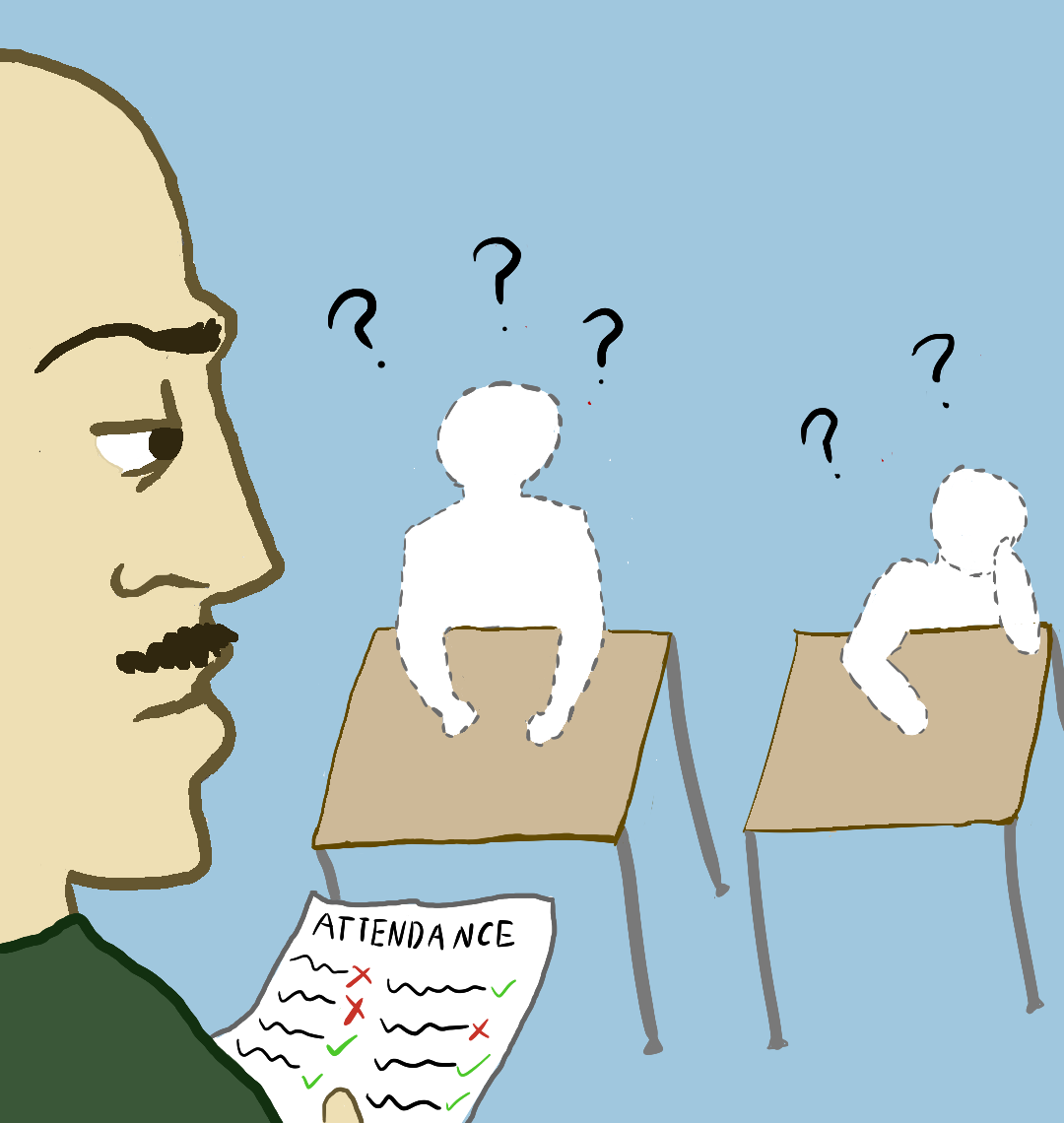
The lack of resources MCPS has does not push this date back; it just creates a challenge for students and teachers to have sufficient time for exam prep and instruction. With the week-long snow break, crucial content has been forced to be collapsed into a rushed lesson.
Montgomery County’s late start of the school year as compared to the rest of the country, has had teachers fighting to keep a good pace through the curriculum so that students are fully prepared for exam day.
“We have a few more holidays compared to other places around the country that start school earlier in the summer,” AP World History teacher Allison Hoefling said. “So, they have an extra week to teach or sometimes an extra 2-3 weeks of teaching time.”
With neighboring counties implementing virtual learning, MCPS has fallen short of its full learning capabilities because of its resource deficiency in this field.
“I’m curious why we find ourselves [with no virtual learning plan] and neighboring jurisdictions don’t,” social studies teacher Katharina Matro said. “Fairfax and Fredrick County don’t seem to have the same issues. I don’t understand what we did or didn’t do that our neighbors have figured out, so it’s a little bit frustrating.”
Teachers, especially those teaching AP classes, realized the issue with the lack of virtual learning, so some became proactive in making sure that lessons were done while students were at home.
“We gave snow day video lessons for students to do because we just have to try to keep up so that we’re prepared, ” AP Calculus and Geometry teacher Michele Thoms said.
However, there is an important factor in keeping the pre-COVID fun in the MCPS school system. Virtual learning didn’t exist before the pandemic, so bringing back the excitement of a snow day is an important characteristic in the county’s big decision.
“I do not think we should have virtual learning on snow days,” social studies teacher Megan Kelley said. “I do not want to teach on snow days. I want to sleep in and relax, just like the children and celebrate the snow day.”
Dr. Matro agrees with having a few days off, but once it becomes excessive, core curriculum and learning are lost.
“I think you should have a few snow days,” Matro said. “It’s part of the joy of being in school. We’ll get a snow day. That’s celebratory, but let’s not drag it out.”
Even with the idea of creating a clear way to bring back academics using online platforms like ZOOM, the education taking place will never be the same as in-person instruction, which will still lead to the result of gaps in learning.
“I taught during COVID virtually,” AP Literature and Composition teacher Adam Zeitland said. “Clearly, there’s a big difference in the level of understanding. If it were a whole week of virtual learning, you would probably see less retention of information than you would in a week of class. But if it’s a matter of a week of virtual or nothing, a week of virtual could help, just kind of depends on the class.”
The addition of an extra week in June may not consist of a lot of content or new academic learning, but it will still bring the social aspects of high school that can be beneficial to students.
“I wouldn’t call [the added week of school] a waste of time because anytime teenagers are able to be with each other and hang out, even at school, you’re benefiting from being in a social setting,” math teacher Amy Heaton-Wooden said. “So it’s not an entire waste of time, but as far as instructional time goes, I don’t think a lot of instruction is going to take place.”