
All names used in the article were changed for protection of privacy
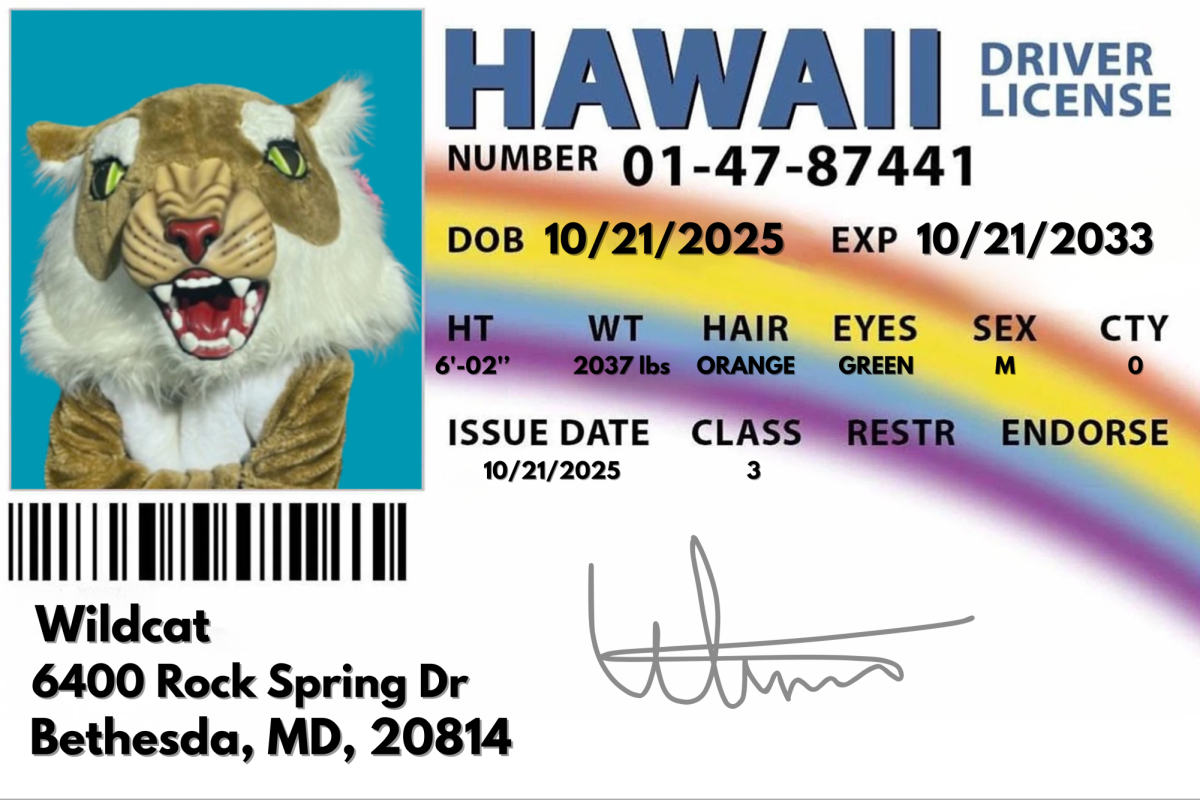
Somewhere between prom plans and college apps, there’s another senior year milestone no one really talks about: figuring out who knows “a guy.” Fake IDs have become part of the social landscape for many teens looking to get into bars, clubs or parties—and the ease of getting one might be surprising.
It’s not exactly a secret anymore. Between group chats and Snapchat stories, students know where to look. Some even pool together to make bulk orders to save money. The more people who join in, the cheaper the price per card.
“If one person finds a way to get one, then it’s cheaper to send in a lot of orders, which encourages people to get their friends to join in,” senior Nathan S. said.
According to a 2023 Scandit survey, a digital identity and verification research group, nearly half of young adults know someone who used a fake ID, and about a third have considered getting one themselves. Many students say it’s easy to find someone to order through or to order one online, often paying around $50 to $100.
Orders are often placed though overseas websites that only need a photo, fake name and Venmo payment. Due to the highly illegal favor of creating fraudulent identification cards, some websites only take digital currency like Bitcoin, giftcards or even asking for your card information to be emailed to them.
This kind of accessibility has turned fake IDs from a secret topic into something almost casual. However, with that comes a digital trail. Social media has made it easier than ever for people to post pictures with drinks in hand or to tag their location at a bar. These posts might seem harmless at the moment, but they’re also part of your digital footprint; something colleges, employers, and even law enforcement can see.
“Due to so many people having a fake ID, it’s almost an after-thought that having it is highly illegal. That just shows how desensitized we have become to this type of behavior,” junior Sebastian B. said.
From Friday night football pregames to parties stocked with alcohol, the fear of missing out has become a prominent topic on teens’ minds.
“People think it’s a flex to be fake, especially because they become the supply for their friends,” senior Sasha Z said.
With fake IDs becoming increasingly easier to acquire, the normalization of drinking is shifting to younger and younger ages. Many teens share their frustration, describing how people no longer consider parties or big hangouts without a drink in their hand to be as enjoyable, creating a dangerous association between having a good time and being intoxicated. Instead of learning to navigate challenging social situations sober, people turn to alcohol as a way to let loose and create social connections.
“It’s an awful representation of the real world because you can’t always rely on alcohol to get you through something. What’s going to happen when you turn 18, and you have interviews, job shifts, and work events heading your way? You can’t drink through them,” sophomore Norah P. said.
Physical and psychological problems that arise from alcohol are not the only consequence of excessive drinking. Laughs and stories are exchanged from close calls with law enforcement — but these shouldn’t be taken lightly. Oftentimes, teenagers have an “invincibility” complex, which can fuel a reckless repetition of lawbreaking behavior.
Law enforcement takes fake IDs seriously, especially those used to purchase alcohol. And for the student “distributors” who help others get one, the stakes are even higher. Penalties can include felony charges and major fines. In Maryland, using a fake ID isn’t just breaking a small rule; it’s breaking the law. Getting caught can mean a fine of up to $500, possible jail time and even loss of a driver’s license.
As a generation, we’ve seemingly skipped over the “high school” part of high school—the part that’s meant to convey how we’re still preparing ourselves to enter the real world—and jumped hastily into adulthood.
What’s the rush?