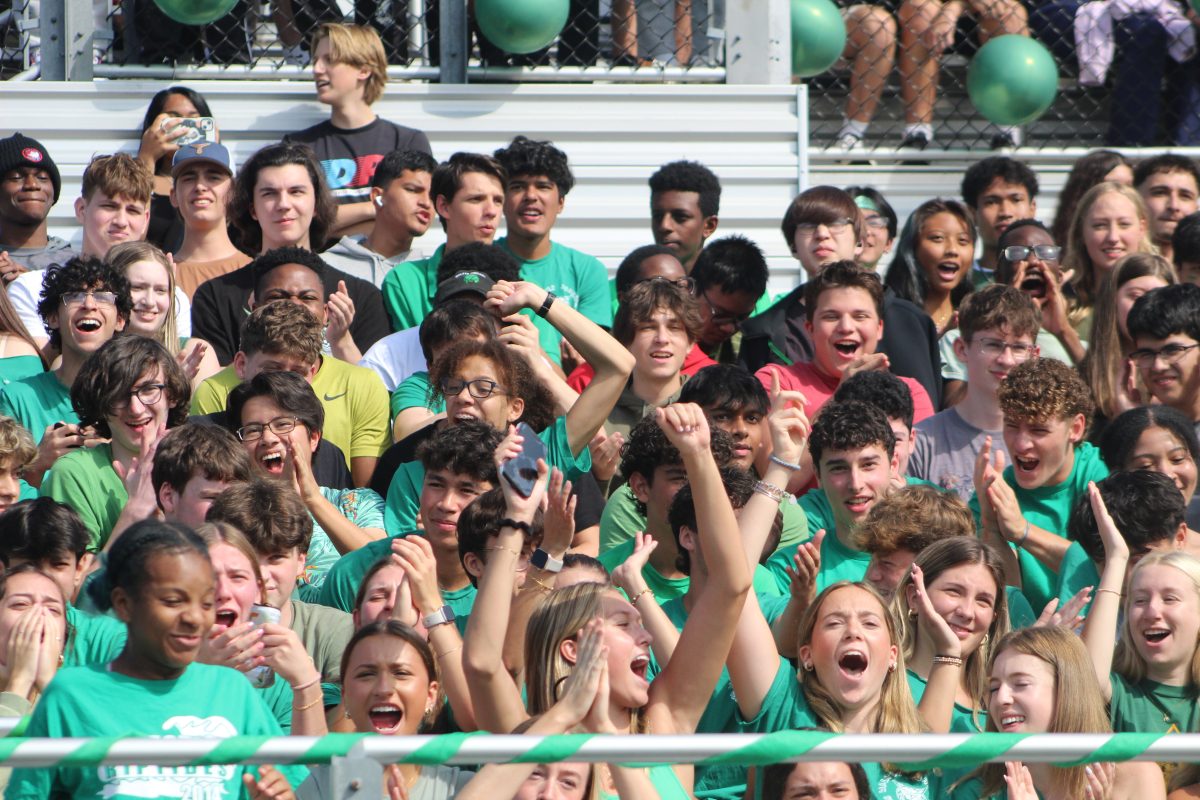
As the clock strikes 11:05 a.m, thousands of students flood out of school in search of one thing: food. As of now, realistic food options are Chipotle, Flippin’ Pizza, Giant or Subway. Wildwood provides other, more expensive options. But the walk over, when kids are often already late to class, doesn’t compete with the main four. Either funded by their parents’ credit card or their hard-earned money, students without cars funnel into Georgetown Square. This causes daily congestion across G-Square. Alternative lunch options benefit the school, its students and the local community.
Economic opportunity: Prime real estate at G-Square
With constant or inelastic demand for quick food every weekday, why aren’t fast food restaurants foaming at the mouth for the properties at G-Square? Besides the slim food options already present at G-Square, numerous buildings would be better suited for food. For starters, the building that occupied Washington Sports for 20 years has been empty for almost 2 years now. While that building stands idle, the crowds at G-Square during lunch continue to pile up.
That empty building could easily be turned into a small market set up with multiple vendors inside. DC, with even more expensive real estate, was able to complete a similar concept. Dukes Grocery and other food venues all have their own booths where they can sell their product. What better way to provide students with more diverse options for lunch than turning a dormant gym into a food court?
This constant influx of students is an obvious target for all kinds of businesses. But why is this hotspot being used for companies such as a cellular store and a nail salon? Don’t get me wrong, there are certainly times and places for these types of stores, but in an area so dominated by the student traffic, another food option seems like a golden opportunity.
The benefit of more options: Food trucks
Food trucks parking in the athletic circle gives students easy access to them without having to travel far. They are able to get food and still have extra time to get work done, to socialize or to see their teachers for extra help. If they have to travel all the way to Georgetown Square or the Montgomery Mall, this opportunity for lunchtime help would not exist.
Bringing more food trucks to WJ spreads out the student body to limit stress on local businesses. Places like Flippin’ Pizza or Chipotle are overwhelmed with the massive amounts of students flooding into their tight restaurants. More food trucks would create less student clumping at these locations and make it faster and easier for students to get food.
It is not only about having more food trucks but also to have a larger variety of food offered. More food trucks increases variety would help represent the diverse student body and their tastes. In addition, this would allow students with allergies or dietary restrictions to have multiple options for their lunch. From an economical standpoint, giving these food trucks the opportunity to sell at WJ helps support local businesses. Instead of students going to big fast food chain restaurants like Subway or Chipotle, they have the choice to eat from a family owned or local restaurant. This creates a stronger community and shows that WJ cares about the local area and its residents.