


High school sports teams consist of players coming from different places with various experiences playing the sport. Many teammates have played together since they were young, but there are a select few students who join high school teams without knowing many people on their new team: transfer athletes.
Transferring schools within MCPS requires documentation, such as proof of a residency change or a signed waiver, to compete. These rules attempt to prohibit students from transferring to a school that has a better team in the student’s desired sport; however, there are loopholes that many students exploit and the rule isn’t always enforced.
Many athletic transfers instead move from public school to private school or vice-versa. This skips the requirement of having to move addresses, as anyone can go to a private school so long as their family is able to cover the financial cost to go there. This can accomplish the same goal of either switching teams to be on a better team, or to be on a worse team with more playing time.
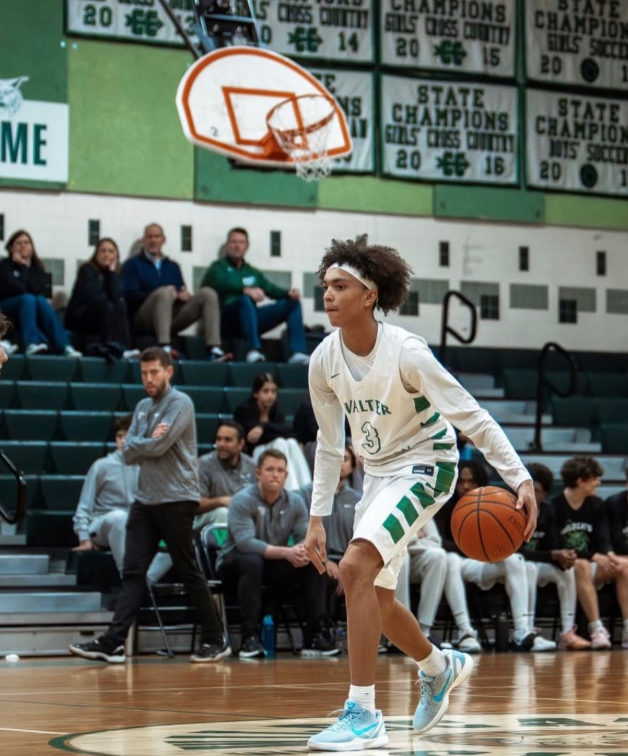
Factors such as the school’s reputation, coach and teammates can sway an athlete to transferring to a school. Other times a player transfers schools for reasons outside their control, such as their family moving locations because of a new job. For senior boys basketball transfer Christian Walker, new head coach Chase Rieder was one of the reasons he was swayed to come to WJ.
“It was me and my family talking about ‘what’s the best option for me?’ And coming to Walter Johnson for basketball was the best decision for me,” Walker said. “[Rieder] is a really good guy, I like him a lot, I knew him since I was young. So really knowing coach Rieder caused me to come to Walter Johnson.”
Changing schools can be tricky for student athletes not only on the court or field, but also in the classroom. Like all new students, student athlete transfers have to navigate new teachers, make new friends and get used to the school community. Many of them are making the switch from private school to public school, or vice-versa, which means they have to get used to the norms and rules of the new school.
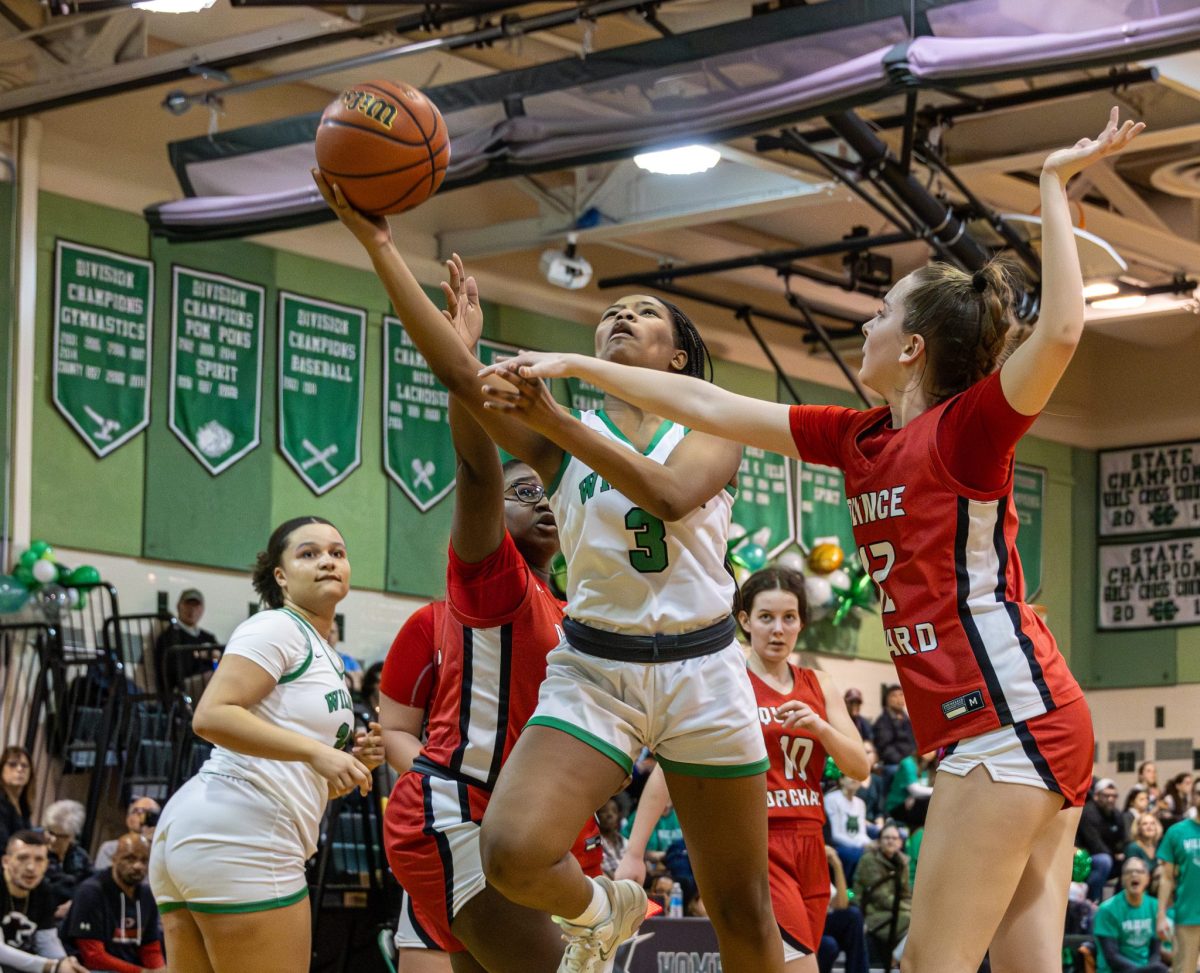
“I came from [a] private school, and St John’s was really focused on sports,” sophomore girls’ basketball transfer Ali Gandalfo said. “So [WJ] has been different, but it wasn’t too big of an adjustment basketball-wise.”
The move can be hard for some athletes. A student moving from another state or county has to put their skills on display in practice, especially if they have a lack of game film on tape to back them up before they transfer.
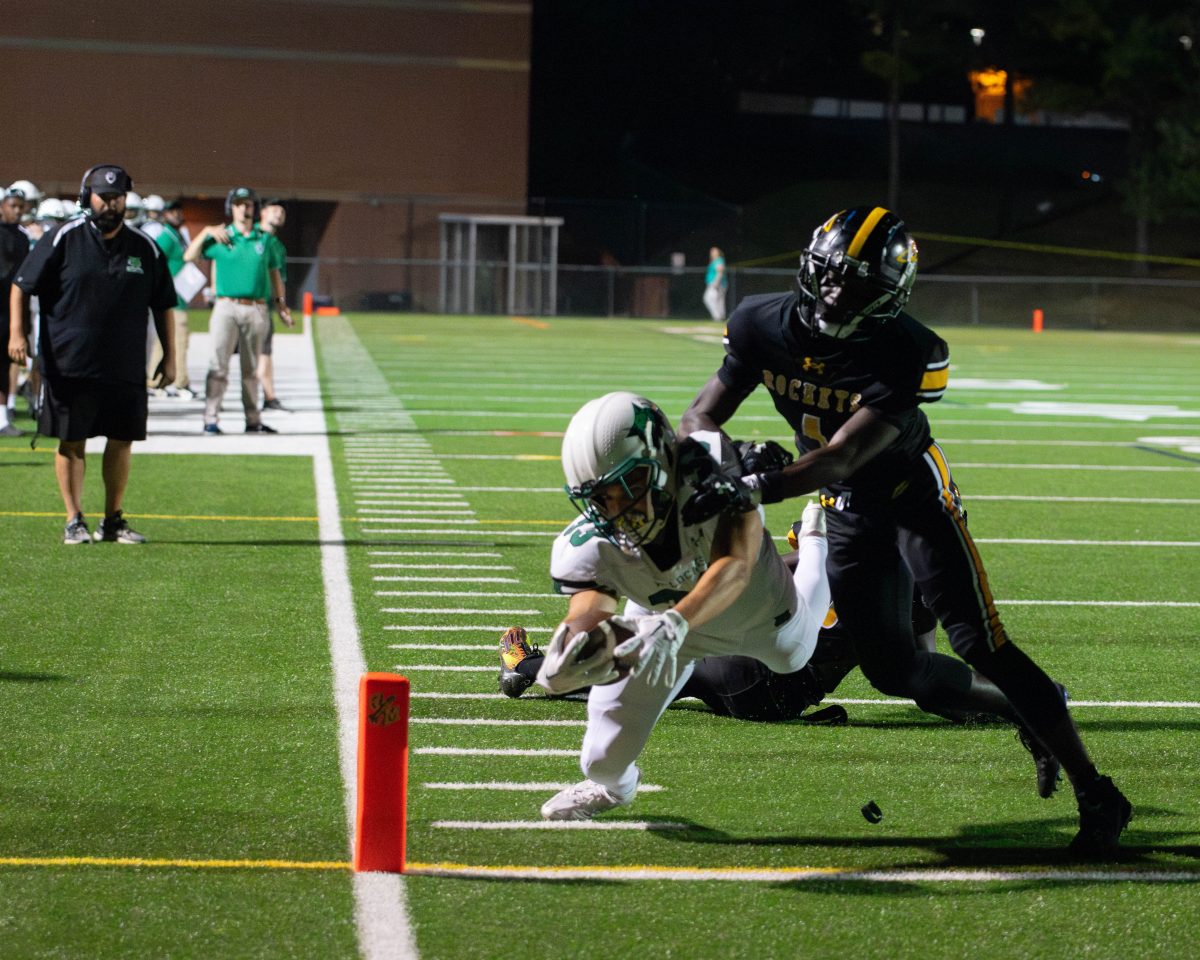
“The first game I didn’t play, [except for] special teams,” senior football player Xavier Alexander-Pounds said. “When I got put in for the second game, I played for the rest of the season, so it was just building trust with the team and the coaches. Being an athlete transfer, you have to prove everything because no one knows where you came from.”
The debate about the future of athlete transfers is complex: while some people believe that being able to freely transfer gives certain schools unnecessary advantages in talent, others argue that transferring schools is in the athlete’s best interest and should have as few restrictions as possible.
“Transferring is a really good opportunity, especially for if you play one year and you realize it’s not for you,” Gandalfo said. “The ability to transfer is great, it really helped me out and I’m in a much better place for me. I know a lot of kids who are transferring and it’s a great opportunity for a lot of people if they aren’t happy where they are.”