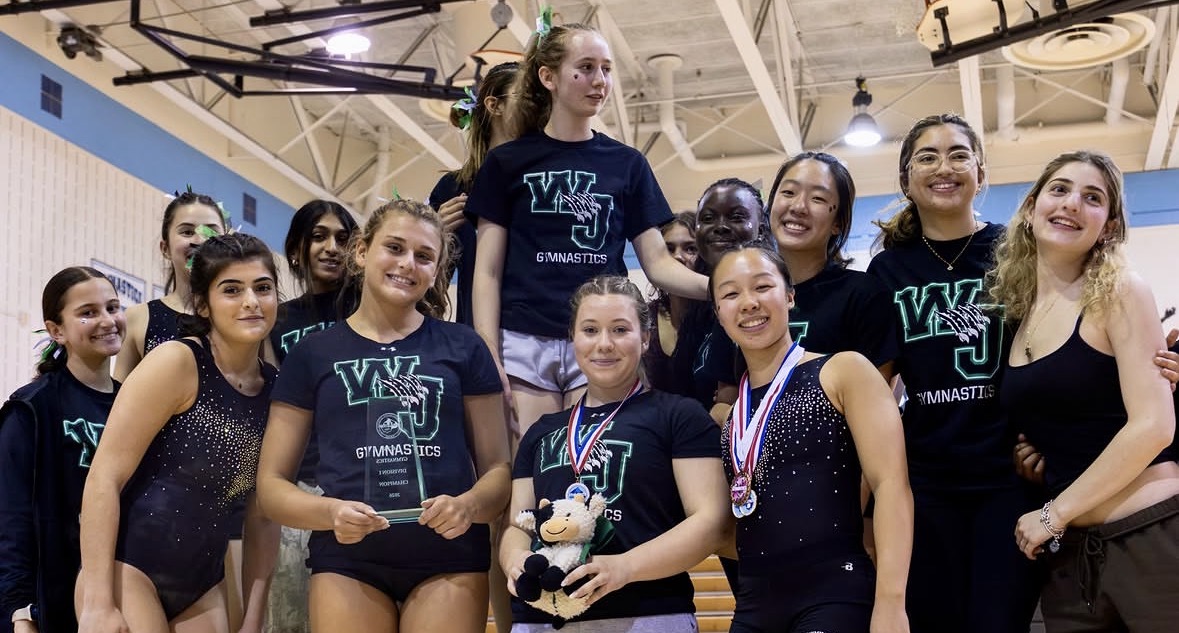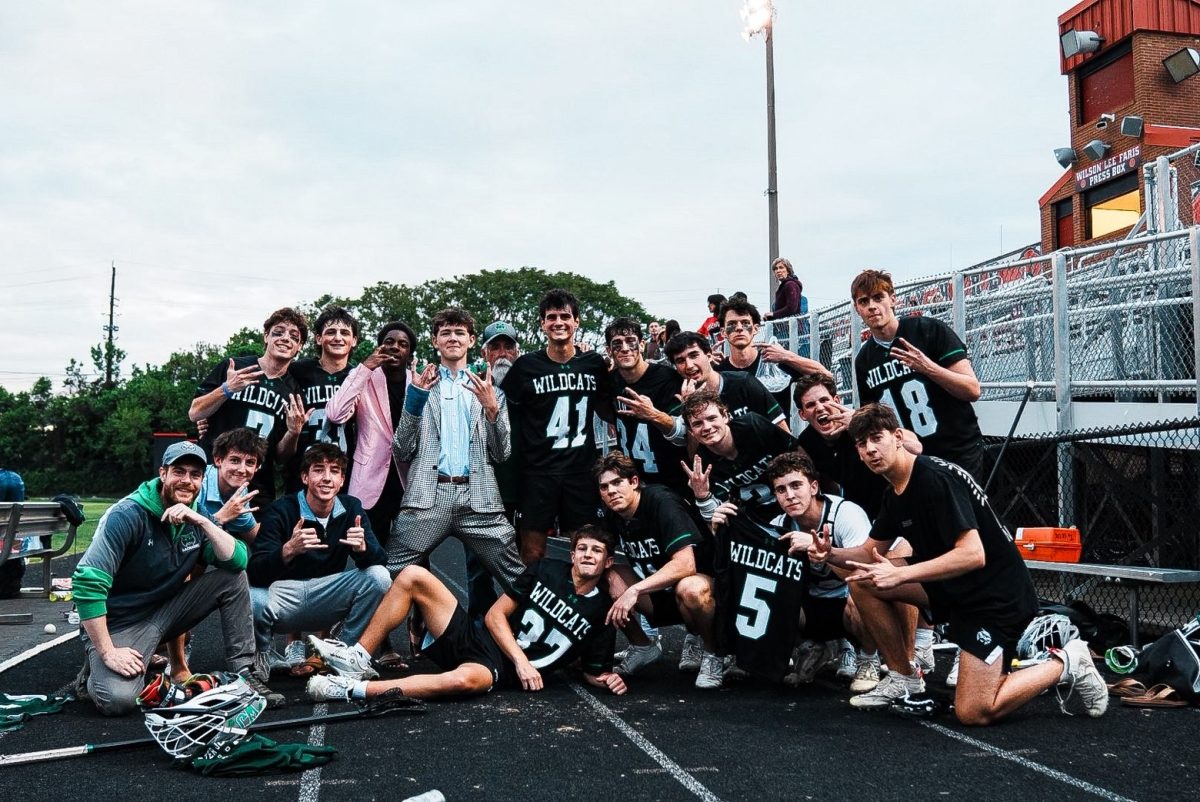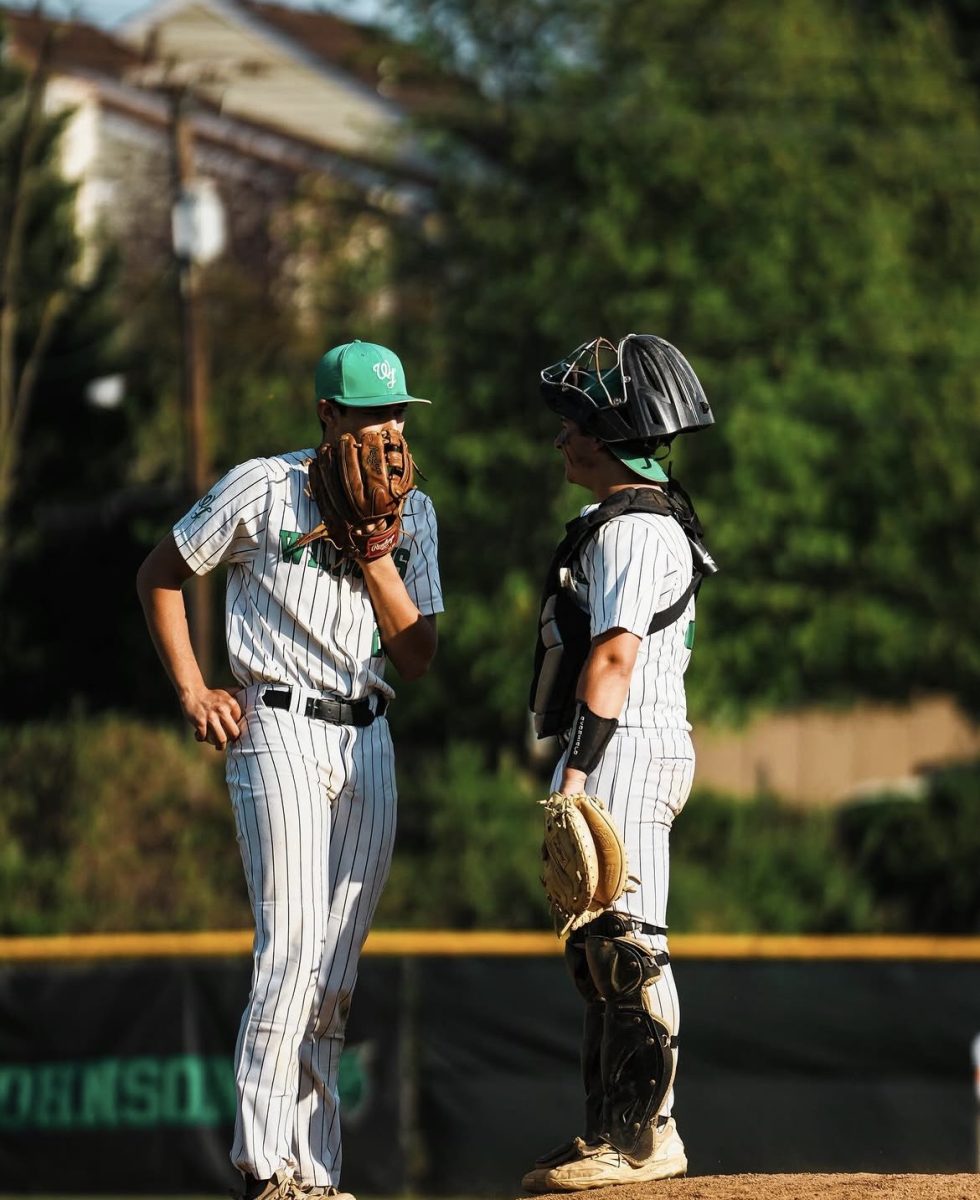


The top four wealthiest schools in the county based on average Median Household Income of the zipcodes of each school’s boundary are sequentially WJ, B-CC, Whitman and Churchill. The schools that have the most team final four appearances in the State Playoffs since 2023 are also WJ, B-CC, Whitman and Churchill.
The difference in the classroom between the schools in the most affluent vs. least affluent neighborhoods aren’t glaring on paper. All schools receive the same amount of funding from MCPS with qualified, competent teachers. However, a step outside the classroom and onto the field provides a different perspective: sports in MCPS aren’t as equitable as once believed, and the wealthiest schools generally outperform the rest in athletics.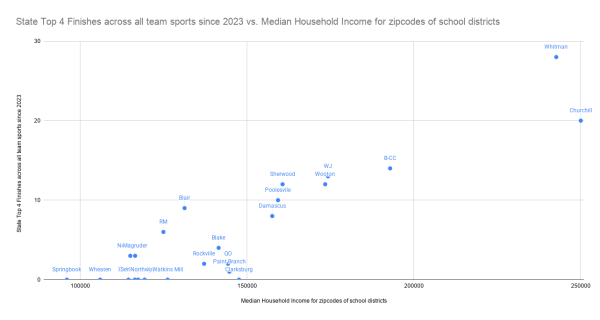
This range of $153,975 between the wealthiest and least wealthiest schools across MCPS stretches beyond just a number; it shows the truth of the current landscape in MCPS athletics. The belief that any kid, no matter their financial situation, can join their school team and compete for a state title is diminishing rapidly across the county, if not already dead.
Student-athletes on these state championship contending teams are no longer just students seeking an extracurricular or trying to play a new sport. These athletes have been training for years, engraving the sport into their lives. From playing on expensive prep teams, to working with private training or clinics, the students who can start young, train and play with the best and most of all afford it, have a huge advantage, one that is increasingly getting larger and larger.
“I mean, obviously coming into high school, a lot of kids who have access to travel teams and have access to private coaching are ahead,” Athletic Director Larry Hurd Jr. said.
Even with the systemic advantage, athletes in these financial situations don’t automatically succeed over everyone else nor do they necessarily have the “easy” way out. Most kids at these more affluent schools just want to play and have fun just as much as anyone else, they are just doing so through maximization of their resources. Even still, a student-athlete can have all the new equipment, training and prep teams they could want and not excel.
However, as athletic dominance isolates towards the top and as the gap between the most and least affluent schools’ athletic excellence gets bigger and bigger, MCPS athletics is at a standstill.
Impact of private and club training
The trend also applies to the sports being played. The sports that have an established private, out of school landscape are where the top schools tend to excel. In soccer, where expensive club teams including Potomac SC, MSI, ECNL and more dominate the youth market and cater to big pockets, teams filled with these elite club players succeed, such as the B-CC girls’ and the Whitman boys’ team who both made it to the State Championship respectively, with the Barons taking a title home.
“They [the rest of the county] don’t have as many of those super expensive teams. I’d say most of the ECNL players in this area go to those four schools (BCC,WJ, Whitman, Churchill),” junior girls’ soccer player Lucy Stutz said. “All the best club teams, you start out early, you’ll be on their top team and then they can try to basically frame you into that, essentially, but you have to start out early. “
The WJ baseball team won their first ever State Title in May of last year. Every starting player who took the field for the championship in Bowie, MD had been playing on travel organizations since they were young and seven of the nine starting players played for the Bethesda Prospects organization, a local travel team with yearly dues up to $3600. Beyond this, almost every player on these travel organizations and on the top teams including Whitman, Sherwood and WJ, have or have had private training.
The more traditional “wealthy” sports also still hold true. These sports that have the notion of being for the elite, including lacrosse, golf and tennis, are consistently inaccessible to the rest of the county who want to succeed due to the expensive costs.
“Lacrosse is an expensive sport,” senior captain Henry Dash said. “They don’t have the same amount of resources just ’cause a lot of them don’t have the money to start playing when they’re younger and get all the gear and stuff.”
In golf, three of the top six teams at the State Championship this past season were Churchill, Whitman and WJ. The Bulldogs, who have the highest median household income for their district, have won 12 state titles since 2002. The resources the team has allowed them to gain an edge and rack up title after title.
“At the top of the top, there’s definitely a clear divide [wealth wise],” senior captain Paul Gomes said. “Churchill practices Monday through Saturday at country clubs that they all have access to. They’re getting a simulator in their school. So it’s just a big difference from schools, even WJ, we were able to practice once a week at the public courses, and then schools,I don’t know which schools specific, but I know other schools, they have self-led practices.”
The world of private trainers and clinics has taken over the youth landscape. From swing coaches in golf to pitching coaches and quarterback coaches, many elite student-athletes’ schedules are filled with evenings spent training with specialists with hopes that the extra dollars spent on these trainers are the dollars that will make the difference.
“It’s no secret that access and practice and private training with good private trainers, not just private trainers that are accessing money, really can give people an advantage,” Hurd said.
Not all one-sided
Few outliers still remain, which provides hope against the world of large price tags, yearly club dues and expensive specialization at a young age. Although at a narrowing rate, less affluent schools still find ways to rise above. In boys’ basketball, Blake, led by 5-star Baba Oladotun and JFK both won their region a few weeks ago while in boys’ soccer, Northwest made it all the way to the final four. In football, powerhouse Quince Orchard has not lost to a team with a wealthier median income than them in five years. Football, without many youth club teams and besides a few private clinics and camps, is almost exclusively school centered. Nearly anyone with the talent, no matter the financial situation, can show up to tryouts and grow into a reliable star.
However, sports like football and chances for student-athletes from less affluent neighborhoods to succeed at the state level are under threat.
When it comes to recruitment, private team organizations and camps are becoming the center of attraction for college scouts. Colleges constantly host camps for interested prospects to try out at a cost and many athletes are going on to play at the collegiate level despite never bearing their school colors, exclusively playing for their club team.
“They’re [club teams] pretty important because that’s what puts you on the map in the first place,” junior baseball player Andrew Jonkas said.
Other factors
Beyond the cut-and-dry wealth succession, many of the strongest athletic teams and programs get lucky geographically. In swimming, a sport where almost every single competitive swimmer has been in the pool since a young age on a club team, WJ sits in a hotzone of club teams.
“I think our area with Montgomery County, swimming has the summer culture, which helps promote kids being better throughout the year. So they start young, they join the club team, because they’re having fun in the summer so they want to do year round and get better,” swim & dive head coach Jamie Grimes said. “If you start later, it’s harder. It’s not an impossibility. It’s harder because once you’re growing up, your muscles basically form certain connections and basically as you develop, you get certain things and so you can develop better.“
In order to counteract this ever evolving world of private out-of-school athletics and close the gap, it’s up to the coaches and athletic directors to come up with a solution. Hurd suggests fulfilling the role of private youth sports camps through the schools can help give more kids a chance.
“There’s so many factors that go into it. The students that have students that are in, at the younger ages that have more opportunities, probably have advantages,” Hurd said. “It’s my vision here that our coaches get out and get to the kids. Our basketball team runs during the season, they bring everybody in for a clinic. They try to run a camp. Coach Williams is running volleyball stuff outside of the school.”