

Women ululate, waving their textured white shema over their mouths as another feast day comes to an end. Families and friends gather to celebrate with food and dancing, with the festivities lasting until the late hours of the night. The next morning, the adults will wake up for a cup of buna or bun. Coffee. Preparing themselves for the day ahead.
This scene may seem far removed from Maryland, but it’s routine for many WJ families. Specifically, Habesha families. Habesha is a term used to describe people from Ethiopia and Eritrea, two neighboring countries on the Horn of Africa. The DMV is often cited as having the highest concentration of Habesha people outside of Africa.
Why Maryland?
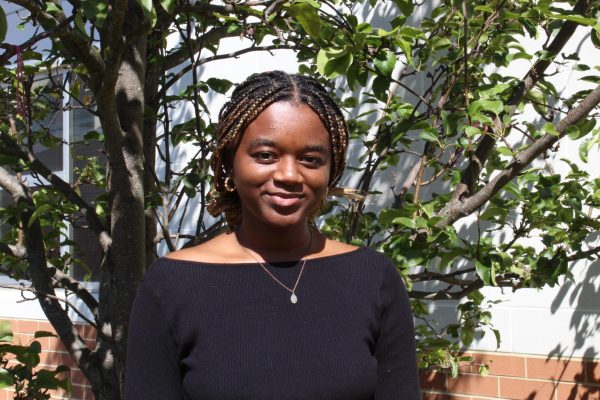
“My parents moved here because Maryland has a strong Ethiopian community, and they already had family here and nearby in the DMV area,” senior Saron Tegegne said.
The vast Habesha population in the DMV is largely the result of a social and demographic phenomenon called chain migration. This describes the process by which people move from one location to another, with the main motivation being that they know a group of people in that final location. Chain migration decreases the amount of stress imparted on the migrant that come from moving to a brand new country and becoming a stranger in a new land.
“The language barrier was also hard, but they had a good support system around them,” Tegegne said.
Why America?
“There’s better education here, there’s better opportunities for jobs. But also, in Eritrea once you reach a certain age you have to go to the military,” senior Joel Eyassu said.
One of America’s strongest pull factors is its economic opportunity. This trend has essentially been consistent throughout history with one of the earliest examples being the British sailing west hoping to find gold in North America just as the Spaniards had in South America. However, enticing economic incentives are not the only reason for uprooting one’s life and moving to a new country.
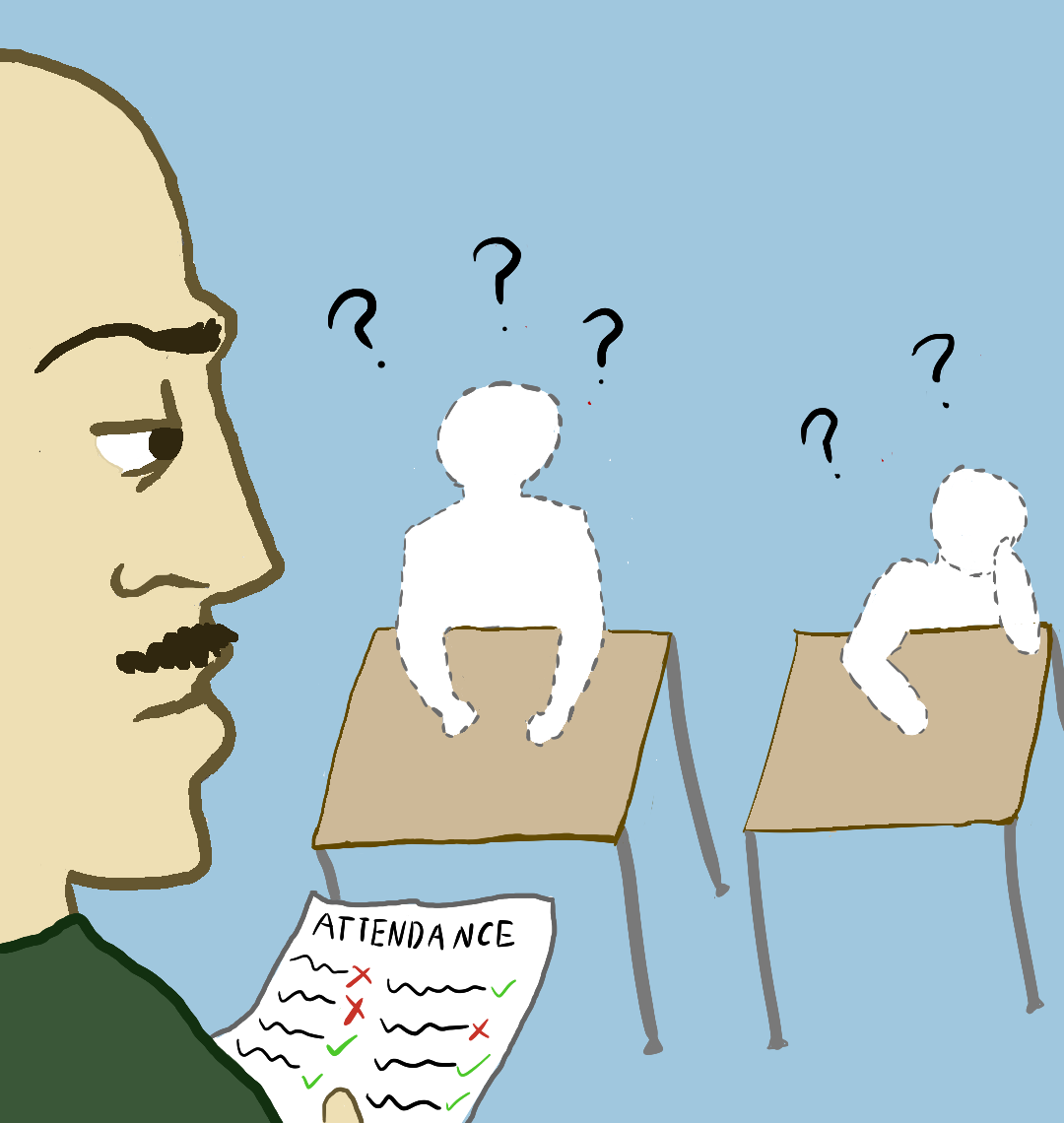
In Eritrea, a major push factor is mandatory military service for secondary school children. In the western part of the country lies Sawa military camp where children finish their last years of school but are also mandated to undergo military training. The camp has served as a funnel from which Eritrea obtains military personnel.
“My uncle fled the country right before he was about to be sent to [Sawa].” Eyassu said. “You have to train and then you’re either given a job or you farm or you build infrastructure. So at 17 or 18, you’re sent and you’re there indefinitely, and it’s not guaranteed that you’ll get out. Certain people get out, but it really depends. [When my uncle left], you’d spend like 15 years in the camp. And they get paid, but it’s very little.”
Transitioning
Though America may have good economic opportunities, starting a new life in the United States isn’t as simple as packing your bags and hopping on a plane.
“When I came here, I spoke a lot of Amharic and didn’t really know any English. So my sister and my parents would have to tell my teachers Amharic words to help them communicate with me,” junior Kal Kabede said.
Leaving one’s country is not a simple task. It requires a meticulous amount of planning, and once one has finally reached their final destination, a whole new set of obstacles arrives. A specific problem for many Ethiopians, though, is time itself. Ethiopia experiences consistent sunlight throughout the year, so the country runs on a 12-hour clock instead of a 24-hour one.
“One time when my mom first moved here, she woke up at midnight thinking it’s 12 p.m. and that she’s late for work,” Samuel said. “So she sits waiting at the bus stop, and finally she calls her uncle saying, ‘Could you drive me to work or something ‘cause the buses aren’t here’. And every day after that he called her to wake her up because he didn’t want that to happen again. Even my other family members have told me time was a big issue.”
Assimilation or preservation?
“There’s such a sizable community here. It basically feels like East Africa, but it’s America. It’s not that hard to make friends since you meet people from similar backgrounds as you,” Eyassu said.
Moving to a new place can be hard for anyone, especially when one’s culture is so different from the dominant one. However, as communities grow and become more diverse, the challenges diminish as people are more able to find others who have similar experiences. Samuel and Tegegne, for example, are now close friends as they grew up in the same church. Today, Tegegne credits her cultural ties to the Ethiopian community she has found around her.
“I feel like having that community helped a lot with connecting with my culture. Especially because this area is predominantly white and I was the only black girl in my grade during elementary school,” Tegegne said. “So being able to find that community of people outside of school who look like me and have the same beliefs and values as me was really important to my growth.”