In the past 70 years, whether as the Spartans or the Wildcats, clubs have been an integral part of the WJ community. While many clubs have disappeared or changed over the years, it is important we never forget the significance of all the interesting and unique clubs that have existed at WJ.
Some of these past clubs might have been more what we think about as teams today. The Rifle Club was a competitive shooting club, where a carefully selected 12 members would compete against rival schools using their own personal rifles and equipment.
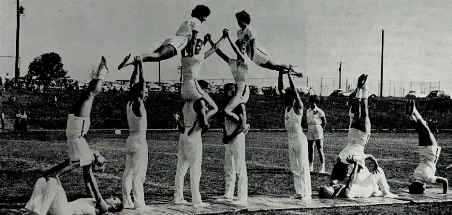
Gymkana was WJ’s coed gymnastics troupe that performed at many WJ events, as well as competing in local gymnastics competitions, such as the annual Washington Schoolboy Gymnastic Meet. The group’s routines consisted of many traditional gymnastics events, including parallel bars, still rings, trampoline, box vaults, and even the construction of elaborate human pyramids.
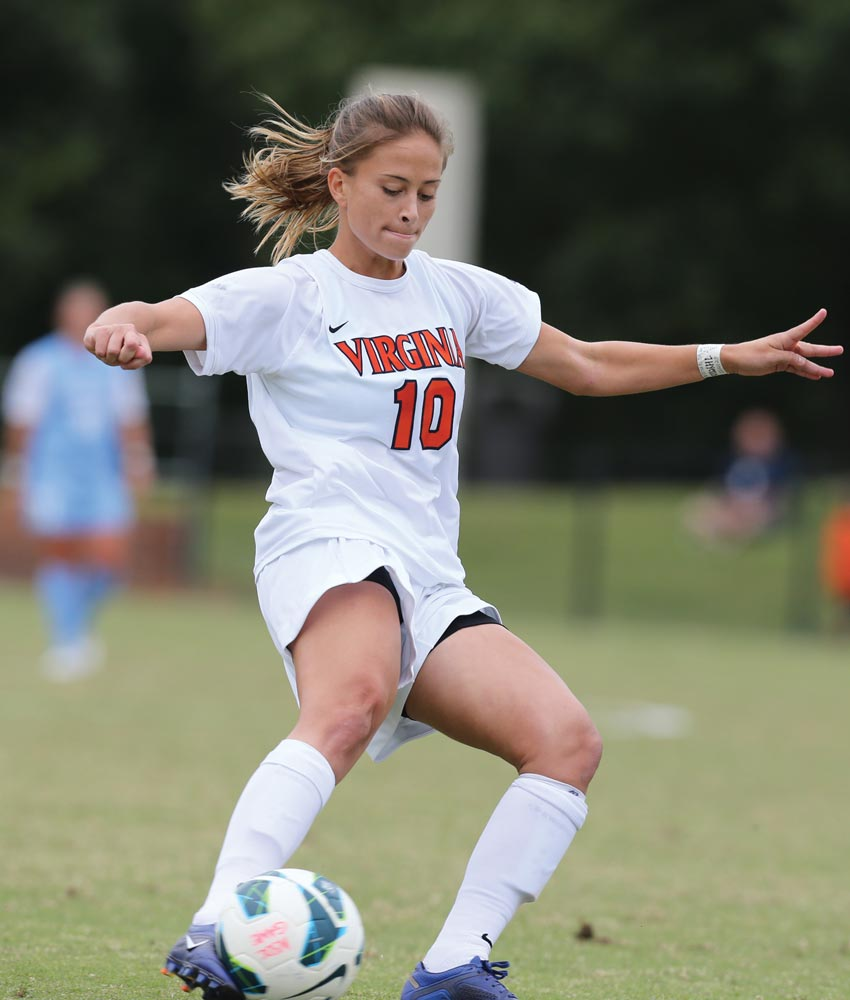
While these clubs no longer exist at WJ, other competitive clubs have evolved from their humble beginnings into full-fledged sports teams. Boys’ lacrosse originally started as a club in 1961, with members lobbying for it to become an official team, though a $300 equipment cost impeded their initial efforts. Similarly, girls’ hockey started as its own independent club but has since merged with the boys’ hockey team to form the current coed team.
“I actually didn’t know that lacrosse used to be a club, but I’m not surprised because it’s not that popular of a sport,” junior lacrosse player Jack DiFrank said. “I think it’s better for the players that it is now an official team because it gives them a good team community.”
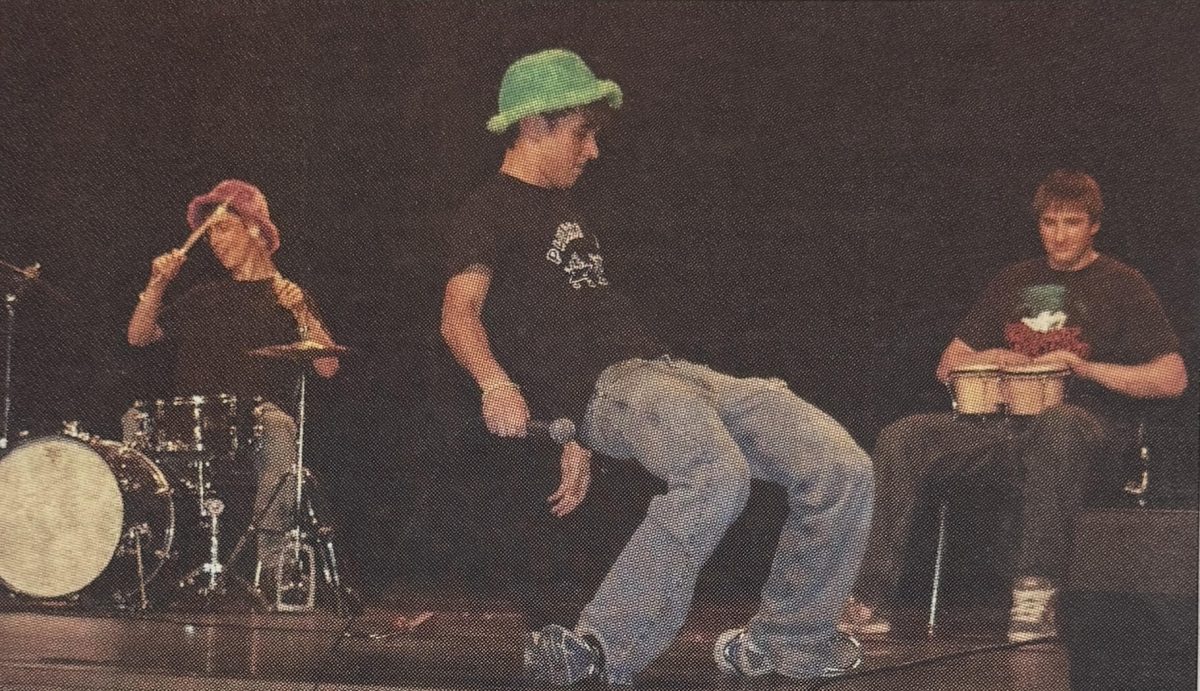
Alongside their athletic counterparts, many interesting service and special interest clubs have met in WJ classrooms in the past 70 years. Red Velvet is an acapella group that was founded in 2016 and is still an active group today, with the additions of Chocolate and Vanilla. They were WJ’s first coed SATB (soprano, alto, tenor and bass) acapella group, known for their hallmark red and black outfits worn by members during their performances.
“Red Velvet was great for getting to know a lot of the upperclassmen in the choral department. There’s no feeling quite like making music with your friends.” 2021 graduate and former Red Velvet member Rafael Friendlander said.
Like today, Wildcats of the past often banded together with their classmates to form clubs with the goals of helping others in the community. Tri-Hi-Y was a YMCA-associated service club that functioned as the all-girls counterpart to Hi-Y. Members of Tri-Hi-Y followed the club’s values of truth, wisdom, character, faith, and service while giving back to different entities of the local Christian community.
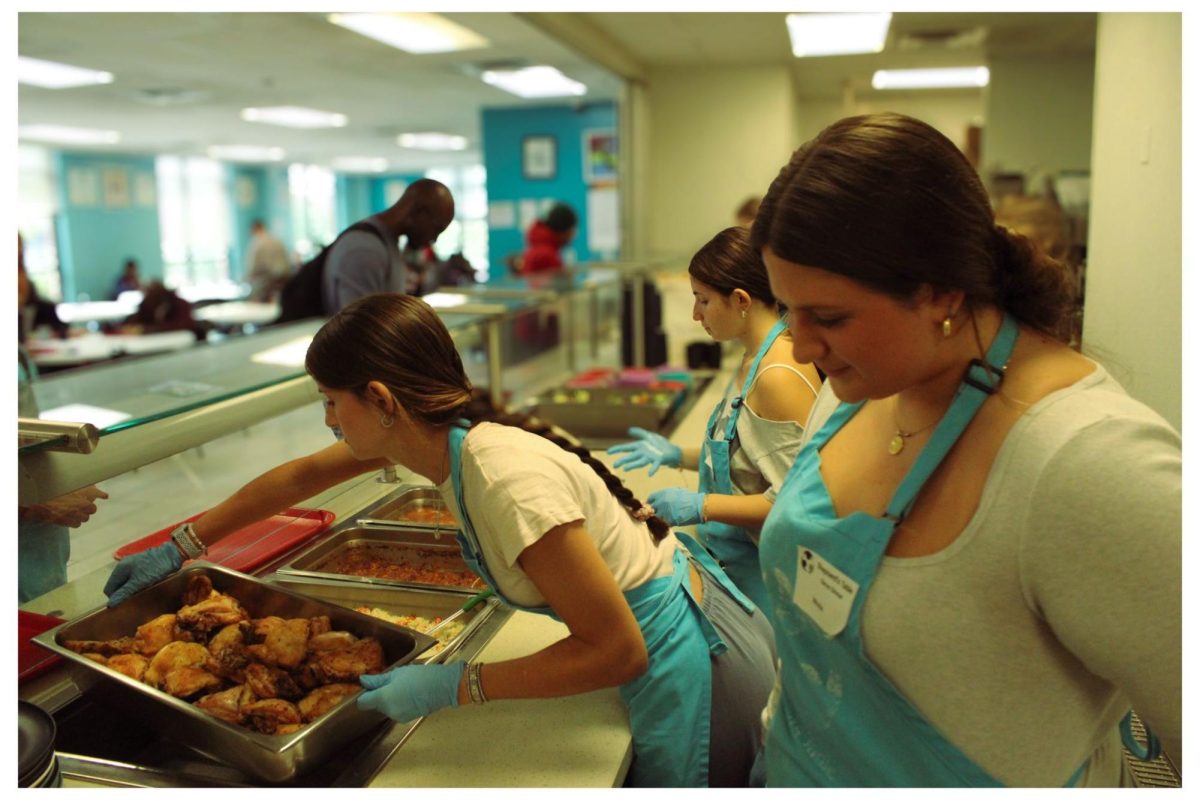
The 100 Girl Club did things such as making easter baskets for a local Baptist children’s home, making “kiddie-kits” containing essential toiletries and school supplies that were donated to underprivileged children overseas through the Church World Service, as well as collecting nail polish and magazines to give to patients of St. Elizabeth’s Hospital to boost their morale.
Even today, clubs are constantly evolving and changing. Clubs like Ski Club, Model UN, DECA (Distributive Education Clubs of America), and Mock Trial have seen significant increases in popularity over the past years, while other organizations such as the Minority Scholars Program have been steadily losing members over time.
“I think the club has gotten more popular because a lot of people are interested in business and economics,” said senior Anna Jhon. “Since [DECA] is getting more popular on social media, I think that’s also why there’s more traction.”
Clubs are the backbone of the WJ community. They bring students with similar interests together to have fun and blow off steam during lunch, despite all the tests they may have. They allow students to compete in academic competitions with other schools across the country, and above all, they allow students to connect with and give back to their community.