Seventy years ago, Walter Johnson High School opened its doors, and STAGE has been by its side ever since. With “Brigadoon” being the first ever musical hosted at Walter Johnson, STAGE has come a long way, with student-run “One Acts” and even performances in “the round.”
Even though much has changed at WJ over the decades, STAGE itself has remained a constant presence.
“I don’t really think it’s changed that much. I think it’s the one constant. Students change, things change, the building changes,” STAGE director Colleen McAdory said.
Physical renovations, like the auditorium update, may have changed the exterior, but the heart of the program has stayed constant. That consistency is something that McAdory takes pride in.
“We still keep the same standards, ethics and all of that in our theater program,” McAdory said.
STAGE has always been a tight-knit community within WJ as a whole. With this comes traditions with every show and season through the decades.
“There’s a cast party after closing night. That’s usually hosted at someone’s house. The cast and crew, and everyone else, have their own pre-show traditions as well,” student assistant director, senior Benjamin Kish said.
The tradition of cast parties continued from decades past, but along with them, another tradition emerged.
“There were epic cast parties that included secret initiations into a mildly cultish ‘Sargon’ clique,” class of 1993 graduate Jon Allen said.
Cast parties’ traditions varied from experience to experience. Members who were seemingly new experienced a different kind of tradition.
“Certain cloaked upper-level students would snatch away one boy and one girl who had just completed their first show with STAGE,” class of 1991 graduate and former STAGE member Quinn McCord said. “What happened after that point is known only to those who participated, but the pair would reappear after about 30 minutes with visible signs of their experience. Those who were ‘sacrificed’ in this manner would eventually don their own cloaks to lead future ceremonies in later years.”
In the spring of 2000, WJ STAGE set out to produce “Cabaret.” Although the show had been performed before, this production stood out for the sheer scale of its ambition and the commitment behind it. Crew members learned and taught new choreography, committed to lengthy rehearsals, and pushed themselves creatively. Their hard work wasn’t for nothing as the play received much praise and performances that, according to Pitch alum Samantha Loss “left the audience spell-bound.”
What made the 2000 performance especially unique was its full embrace of WJ STAGE’s long tradition of going bigger and bolder with each show.
“The theatre crowd welcomed me and anyone who wanted to be involved,” class of 1980 graduate Anne Marie Kestner Smith said. “[We were] motivated to put on the best shows possible.”
That same mindset helped define “Cabaret” in 2000, creating a version of the show that felt elevated and unforgettable, even compared to past performances.
That drive for improvement continues year after year.
“As a director, if I look back at a show that I did three years ago and I don’t see mistakes that I made, then I’m not growing,” McAdory said. “We learn every year.”
STAGE continuously refines its productions while maintaining tradition.
Acts from today stand up against the historic plays from years past. Current STAGE members hold favorite plays that they worked hard on to produce close to their hearts.
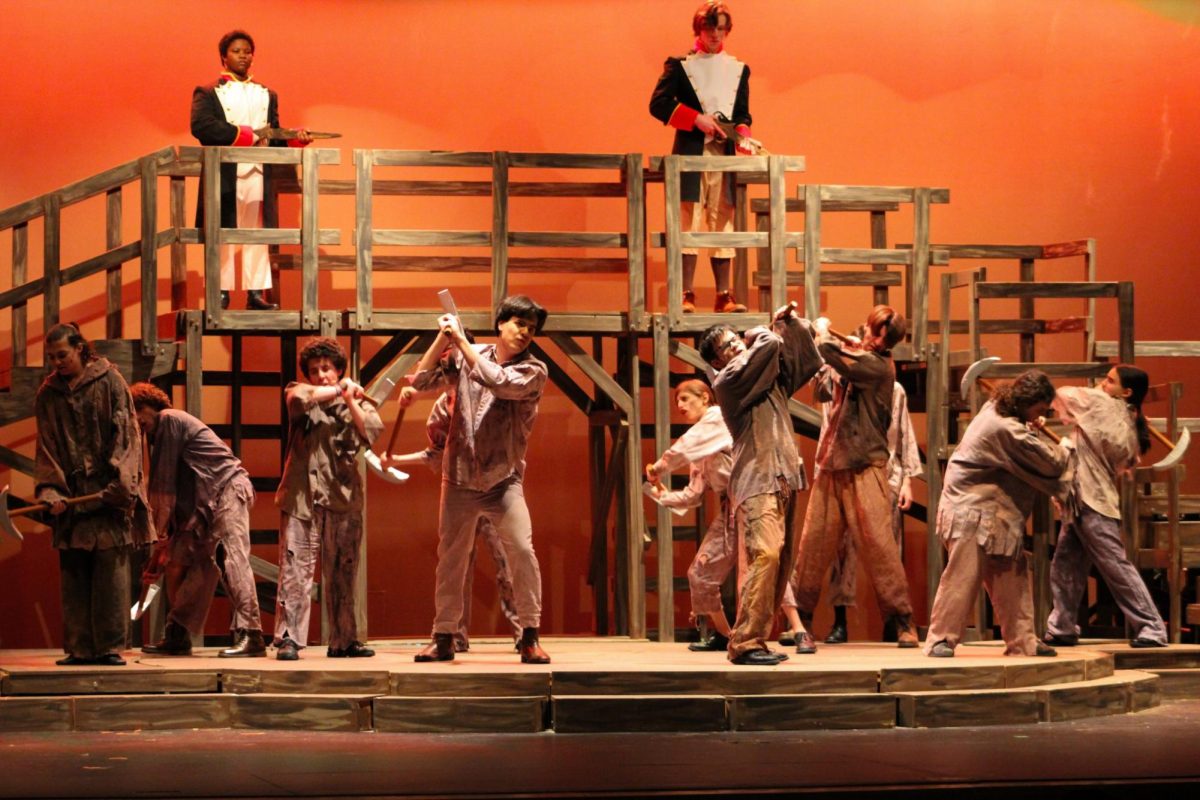
“I have to say Les Misérables [was my favorite]. I had a wonderful experience, and a lot of caring and supportive friends who made my time working on Les Misérables so great,” Kish said.
That supportive environment has defined STAGE even in its most difficult moments. McAdory recalled a time when the community experienced tragedy with a student taking his own life and how the students responded.
“They just banded together as such a strong group. [We were] in the media center so I could meet with students. And I looked up, and because I heard the doors open, and in walk all these alumni. Some of whom didn’t even know him,” McAdory said. “And I said, you know, ‘what are you all doing here?’ They said, ‘Well, our family’s in pain. So we’ve come to take care of our family.’ So to me, that speaks volumes of what we’ve become as a group.”
For her, this moment reflected the heart of the program.
Changes to plays have existed since the beginning. With WJ’s first musical performance, “Brigadoon,” scenes that were thought to be too risqué for the time were cut. Famously, the shed scene partnered with the song “Love of My Life”, where character Meg Brockie sings about her past failed flings, was axed, as it was believed at the time that it did not appropriately appeal to the audience of students and parents.
Decades later, in 1990, decisions to change plays were made, but for different reasons. The fall play of 1990, “The Mouse That Roared”, was despised by many of the performers from that year. Thus, the crew decided to change the final act while en route to NIH. As described by McCord, instead of the final act being a peaceful resolution to a nuclear bomb crisis, the decision to set off the “bomb” on stage was made. Red lights flashed, the sound crew inserted explosive noises and the whole cast fell to the stage floor “dead.”
“I don’t think anyone in the audience understood what they had just watched, based on their stunned silence, but the performers had a blast – literally,” McCord said.
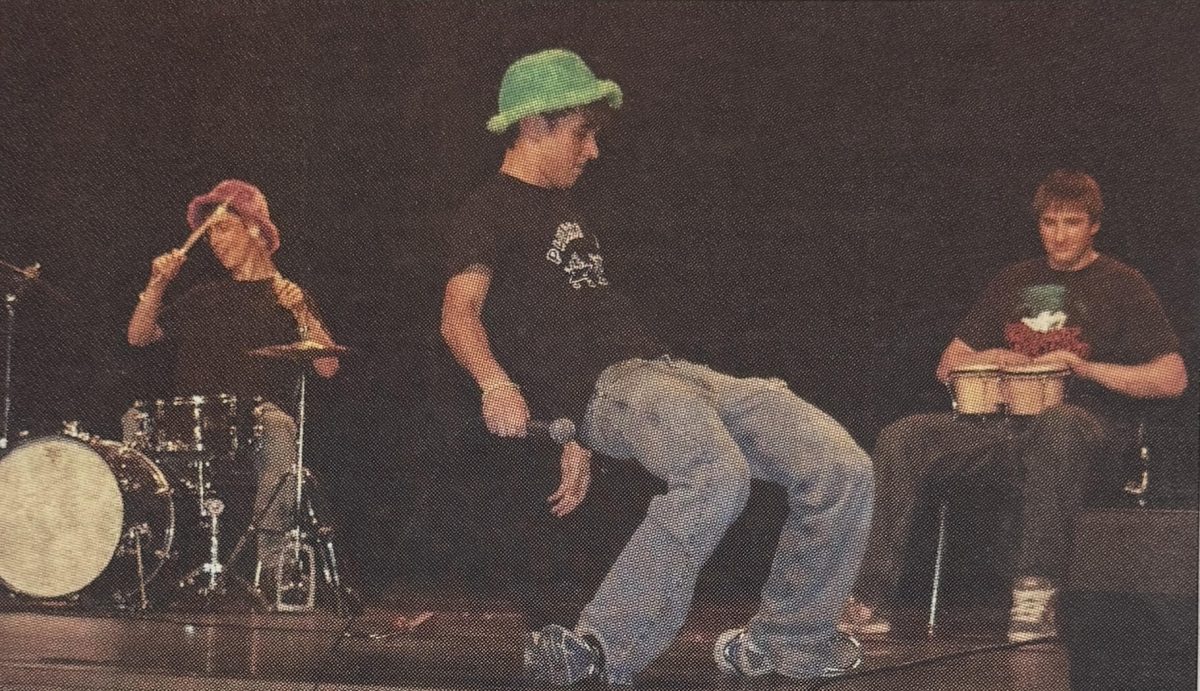
Spring musicals and fall plays weren’t all that WJ STAGE had to offer. A popular stage performance up to the early 2000s was “One Acts.” In these performances, there was a collection of shorter theatrical acts, all run by the students among the crew. This allowed the crew to have fun and bring contagious joy to the audience, and for members to showcase their true potential.
While the audience has seen only the performers over the many years of STAGE, the crew has long made memories. Whether it be their own traditions or long nights creating props for the upcoming musical, recognition is deserved by the many generations of STAGE’s crew.
“One of my most vivid memories was staying up all night sewing costumes for ‘Mame’. For all shows, Lew [the previous S*T*A*G*E director] challenged us to do more, do better, and build bigger sets. We built false prosceniums, and the set for ‘Hello Dolly’ included a huge staircase that Dolly, played by Lisa McCord, descended from and an extension of the stage that allowed a train to go around the orchestra pit,” Smith said.
McAdory emphasized her appreciation for everyone involved in productions.
“I have tremendous respect and admiration for all groups in theater,” McAdory said.
Moments like these demonstrate how the hard work, creativity and cooperation of STAGE members, cast and crew transform each production into something truly unforgettable. Even after 70 years, it remains, in McAdory’s words, “the one constant.”