

The Super Bowl halftime show has always been one of the most watched performances in the world. This year, it was about more than entertainment and viewership. Headlined by Benito Antonio Martinez Ocasio, otherwise known as Bad Bunny, this year’s halftime show sparked discussion about Latin culture, politics and what it means to be an American.
Fresh off winning Album of the Year at the 2026 Grammy Awards for “Debí Tirar Más Fotos,” Bad Bunny took the stage with a clear purpose. During the Grammys, Bad Bunny sat alone and wore a bulletproof vest in protest of the treatment of minorities by the U.S. Immigration and Customs Enforcement (ICE). He ended his speech with the words “We’re not savage, we’re not animals, we’re not aliens. We are humans and we are Americans.”
Rather than focusing solely on his most well known songs, his performance blended Latin American music with symbolism. From the opening moments of the show, it was clear that he aimed to tell a story that was rooted in unity and identity.
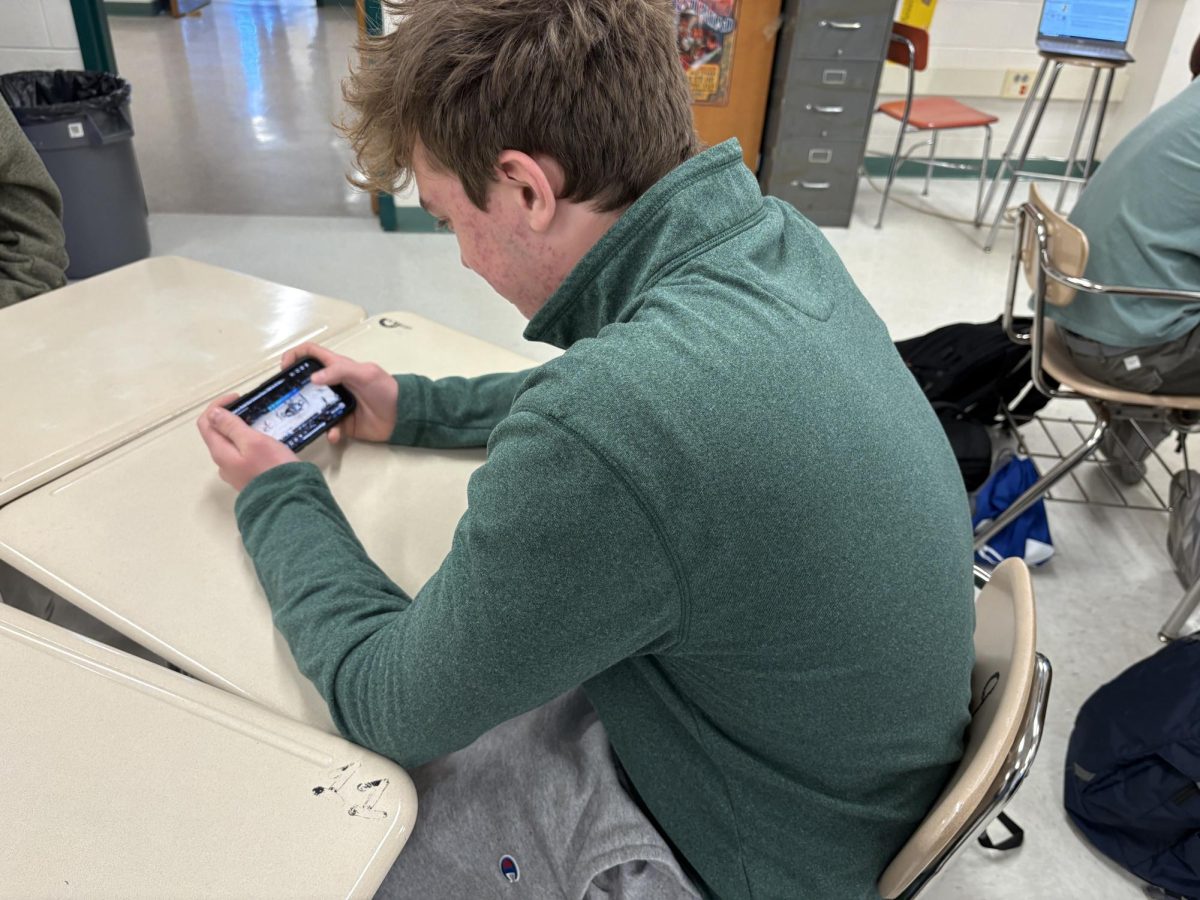
“I was skeptical going into the show because I don’t know Spanish, but you could tell the message he was trying to say and you could just vibe to the music and dancing,” freshman Micah Amlin said.
One of the most talked about moments of the night was when Bad Bunny passed along his Grammy to a little boy watching his acceptance speech. Handing the Grammy to this child on the world’s biggest stage, was supposed to represent Bad Bunny as a kid. This offers a powerful message of hope and the belief that dreams can come true, even in a world that often feels indifferent and hostile towards Latin American children.
“It was a good message of unity and there were small Easter eggs that I appreciated like the workers working on sugar fields and him breaking into the house representing ICE,” junior Andrew Rotnemor said. “He did a good job performing his songs with meaning and a message.”
The halftime show also featured surprise appearances from many celebrities, including Lady Gaga and Ricky Martin, as well as Jessica Alba, Cardi B, Pedro Pascal, Karol G and Alix Earle. The diverse lineup crossed cultures and generations, reinforcing Bad Bunny’s goal of bringing hispanic culture to one of the biggest stages of the world.
For many viewers, especially younger generations, the show expanded their understanding of representation. Hearing mostly Latin music during the Super Bowl challenged traditional expectations of what can be performed on mainstream television, as well as giving a sense of community for people of Latin American descent.
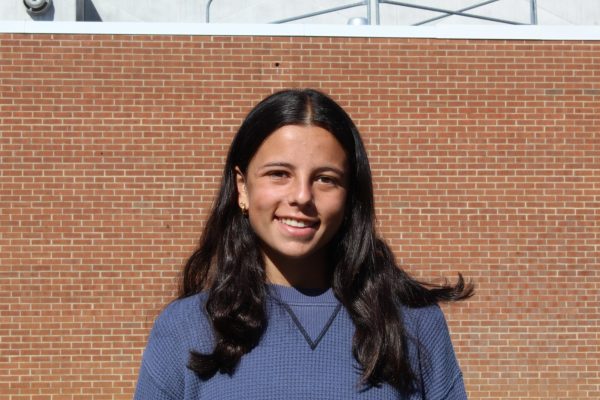
“I really enjoyed the Spanish music,” junior Iza Giesbrecht said. “As someone who often listens to Spanish music and Brazilian music, it made me feel connected to my culture as a Latin individual.”
Whether praised or criticized, Bad Bunny’s halftime show succeeded in starting a conversation. By blending music and culture, it reminded the audience that the halftime show can be more than just a performance, and that “The only thing more powerful than hate is love.”