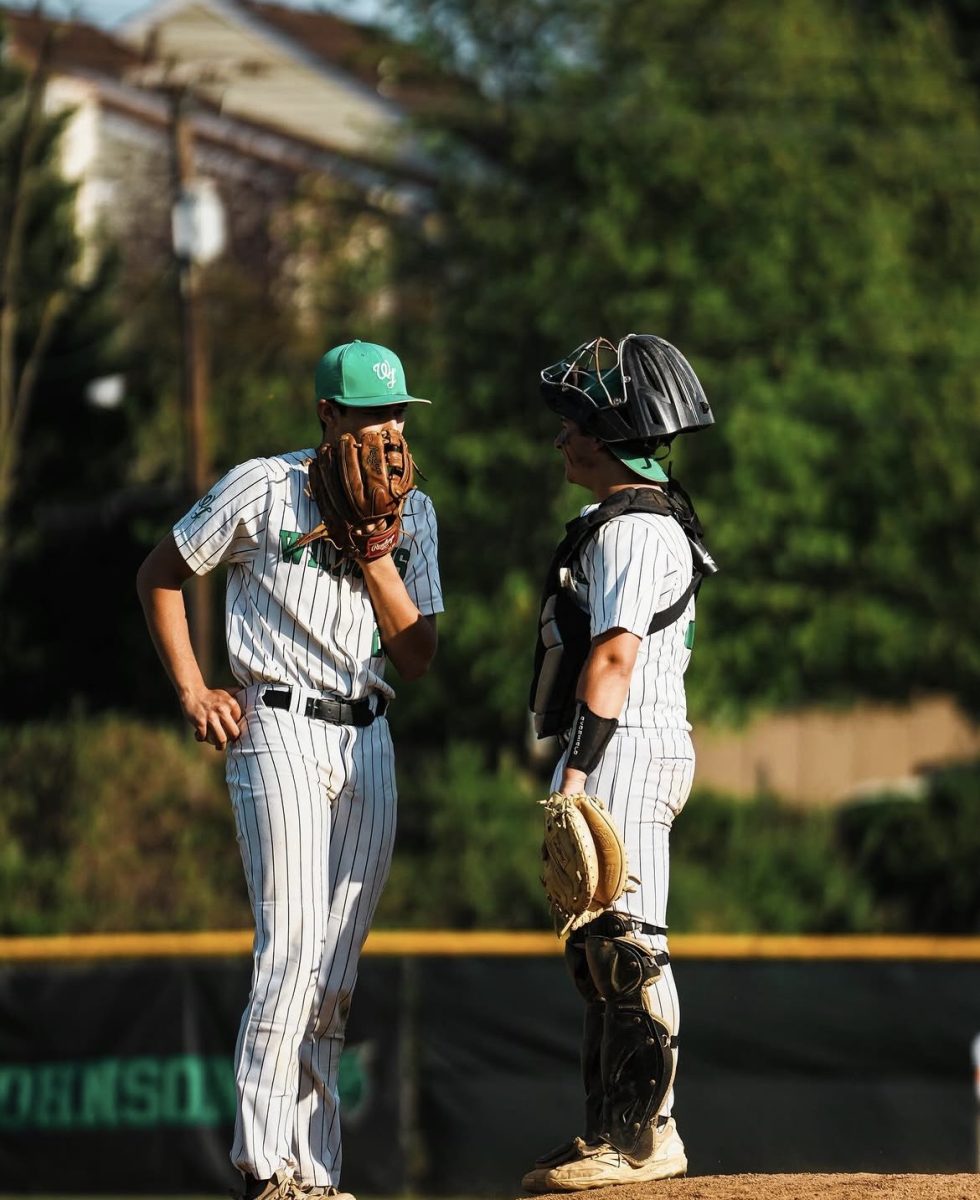

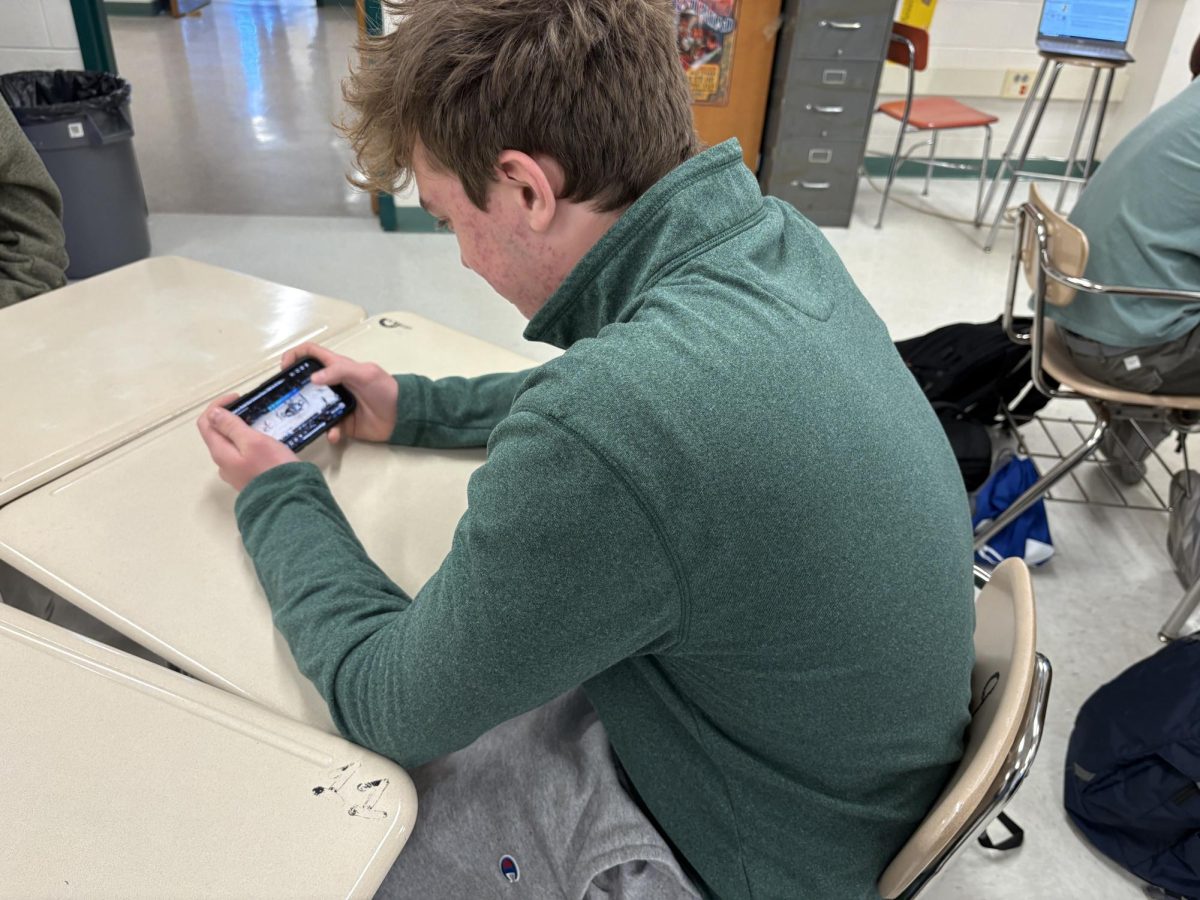
“I’ll bet $5 they score on this play, anyone want to match me?” “I’ll up you to $10 that they don’t!” It’s becoming increasingly more common that a WJ student might hear an interaction like this at WJ sporting events, in class or while walking the halls. With online sports betting being legalized in Maryland as of November 2022, WJ’s sports-crazed students now have the opportunity to immerse themselves in the world of sports gambling.
To understand how this type of behavior arises at the high school level it’s important to learn how students are even getting exposed to sports gambling. In a recent survey conducted by The Harris Poll and reported by ESPN, it was found that one in three young adults aged 21-44 admitted to placing a sports bet while being under the legal age of 21. In contrast, only one in 10 participants ages 55+ said they placed underaged sports bets.
The explanation for this stark difference is simple: the advancement of advertising. Young people watching games on T.V. are seeing different types of commercials for sportsbooks featuring influential players, odds next to scores on ticker tapes, or even ads on their phones through TikTok or Instagram. In addition to advertising, kids are being primed through free, fake money betting apps like Fliff, which acts as a gateway sportsbook and teaches them the terminology of sports gambling.
The brain of a high school student is also not fully developed. The Child Mind Institute, a nonprofit organization, notes that the teenage brain is still developing. This means that the reward center of the brain is susceptible to conditioning or priming to expect certain feelings.
“The American Association of Pediatrics explains that two specific areas are at war during high school: the prefrontal cortex (the “brakes” that control impulses and weigh consequences) and the ventral striatum (the “gas pedal” that seeks rewards),” AP Psychology teacher Geraldine Acquard said.
The joy and pleasure that is associated with winning a bet can lead kids to seek out these feelings often through repeated sports gambling, leading to tolerance build up.
“The brain starts needing bigger wins or higher stakes to feel the same rush, effectively re-wiring how the student experiences pleasure in everyday life,” Acquard said.
It’s clear that the effects of sports gambling culture have begun to seep into the community. It is increasingly more common to find students who bet with friends in the stands of WJ sporting events. Students are even making bets on upcoming high school games with rival school students.
“I like the friendly banter that comes with it,” senior Jack Gilder said. “I made a bet with my friends [from Whitman] on who would win the WJ versus Whitman regional final basketball game.”
While making bets with friends can seem harmless, it can foster an ideology that normalizes gambling. Students making these hand shake sports bets are likely learning to be careless with their money, even if it is small amounts being staked.
The idea that having money on a game makes it more interesting to watch is also a dangerous mindset to have. Kids could possibly lose interest over time in watching sports for the sake of rooting for a team if they don’t have money on the line.
“I definitely have more interest in games I have money on,” sophomore Billy McNamara said.
Pride can also become an issue with kids and sports betting. The more you lose the more you feel you need to make it all back, a dangerous trap that even adults fall for. What’s worse is when students are making hand shake bets amongst each other, the gut wrenching feeling that your friend is taking your money can cause students to think irrationally.
“When I lose a few times, I want to make it all back, so I bet more often and with more money,” McNamara said.
Making a bet with a friend can appear harmless, but repeated sports gambling with friends can influence the way students handle money in the future as well as affect their brain growth and development. It’s important that students understand the difference between a friendly wager and something more serious like an addiction.
Acquard ended by saying, “a serious addiction doesn’t just take your money; it takes your focus, your relationships, and your peace of mind.”
Sports are widely regarded as a form of entertainment for both participants and spectators, but the introduction of gambling can raise concerns about the integrity of competition. The recent rise in informal betting among students reflects a broader trend that may present potential risks and consequences.