Pride, past and present: The history of gay rights activism at WJ

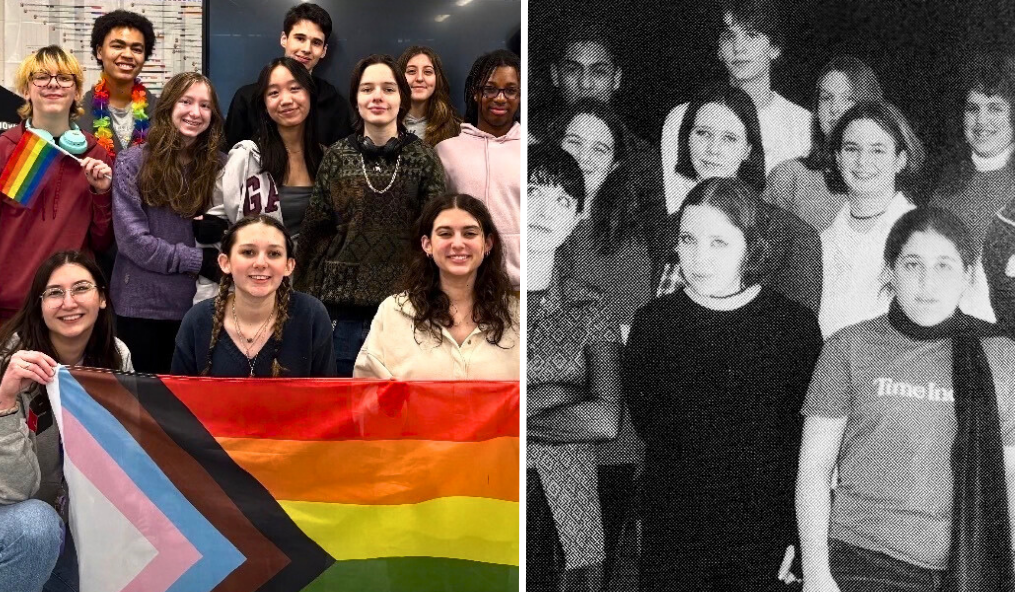
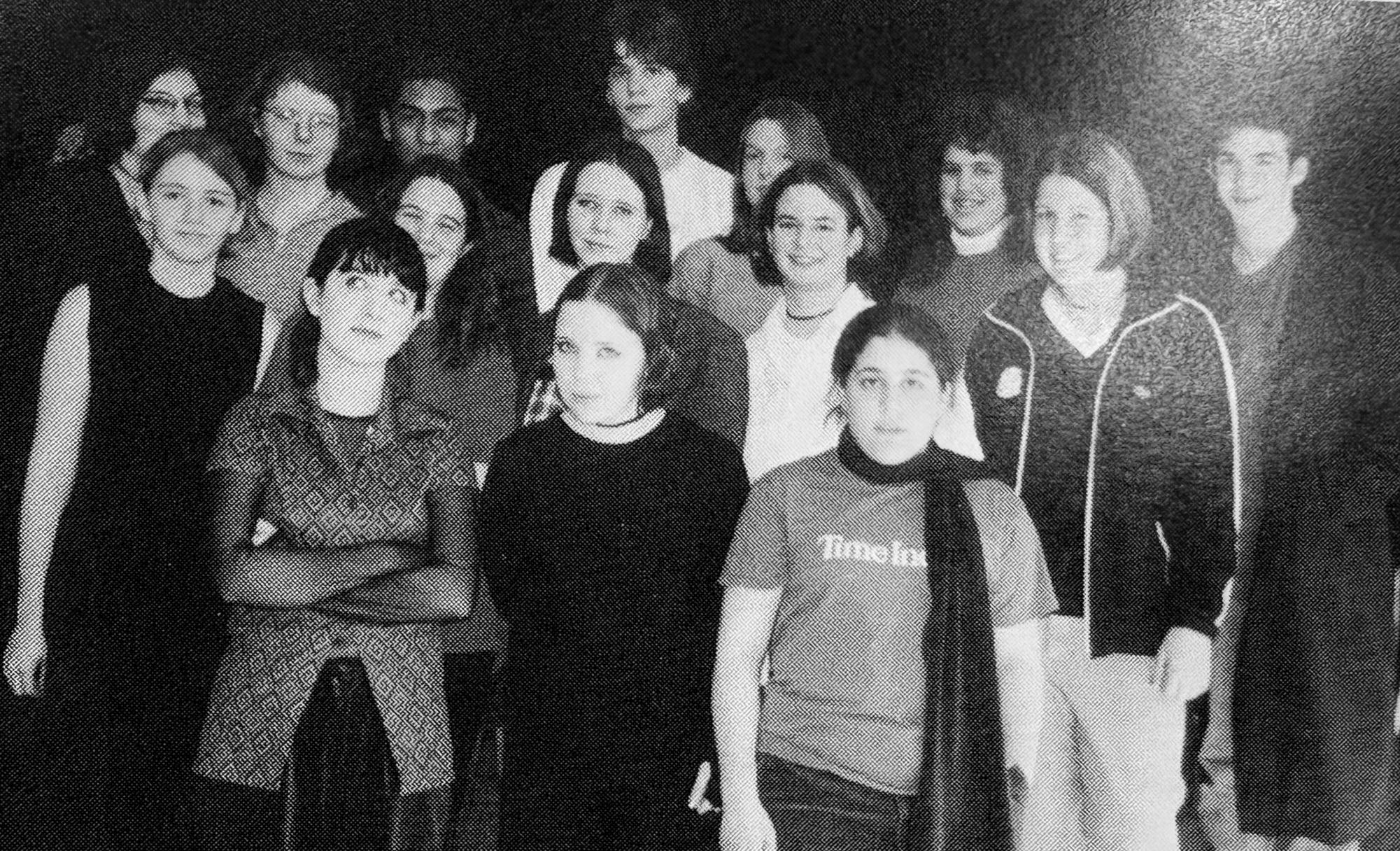
Outlook Club, WJ’s first GSA, was founded at a tumultuous point in history. Violence against homosexual, transgender and gender nonconforming people still raged in some areas of the US. Even in environments as historically welcoming as WJ, heavy taboos and fear of ostracization prevented many from coming out of the closet. Society’s general understanding of gender and sexuality was, in many ways, still in its infancy.
“The founding president was probably the only ‘out’ gay guy at school,” former Outlook member class of 1998 graduate Emily Button said. “It was a pretty new thing to even have a concept of having a choice about gender identity. It was not like it is for teenagers today, where there’s just this wide menu of choices that everybody talks about openly.”
The club gave LGBTQ students and allies a sense of community, as well as a safe space to talk openly about their sexuality and gender identity at a time when such spaces were incredibly rare. But that wasn’t the club’s only purpose; during its time at WJ, it was a hub of activism.
Outlook organized many events to promote pride and equality for the LGBTQ community throughout the late 90s and early 2000s. In conjunction with Protecting the Rights of Young Sexual Minorities (PRYSM), an organization containing several Montgomery County high schools’ GSAs, they joined thousands of Americans in rallying for gay rights on the National Mall on April 30, 2000. In the same weekend, they attended the Millenium Festival, a celebration of gay awareness, and a mass unofficial wedding of 3000 gay and lesbian couples outside of the Lincoln Memorial. Gay marriage would not be legalized by the Supreme Court for another 15 years.
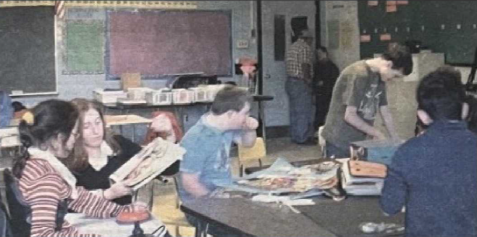
The club also worked to spread LGBTQ awareness within the school building. The club created a Queer History section in the school library, celebrated pride-related holidays like National Coming Out Day annually and lobbied Montgomery County officials to include lessons on sexuality in Montgomery County’s sex education curriculum.
“I remember the press conference when we got them to agree to teach about LGBTQ sexuality in Health class,” Outlook co-founder class of 1997 Elana Levin said. “We were [focused on] stuff that matters to you as a queer teenager…sex education, being allowed to dress how you want in school, being allowed to go to prom with somebody of whatever gender you want.”
On one occasion, when one of Outlook’s gay male members was sent home for wearing a skirt to school, Levin and two other GSA members went directly to the principal’s office to protest the decision.
“The principal was like, ‘Yeah, you’re right, OK,” and that was it. There was no further fighting. He just needed to have somebody recontextualize why that was a fucked-up thing to do,” Levin said.
Looking through WJ’s history, it is difficult to find a singular historical event that sparked more unified student activism and volunteer work than the AIDS crisis. As the disease tore across the country during the 90s, the student volunteers and activists of WJ, gay and straight alike, banded together to spread awareness and assist those most affected.
For the members of Outlook, the majority of whom were gay, lesbian or bisexual, AIDS was a crisis that was impossible to ignore. The club took action against the disease by organizing many volunteer operations and awareness campaigns during the late 90s, one of which was the creation of an AIDS Walk Team that raised over $2900 in between 1997 and 1998. The club also created a panel for the National AIDS Memorial Quilt and hosted a speaker from the NAMES project during a club meeting.
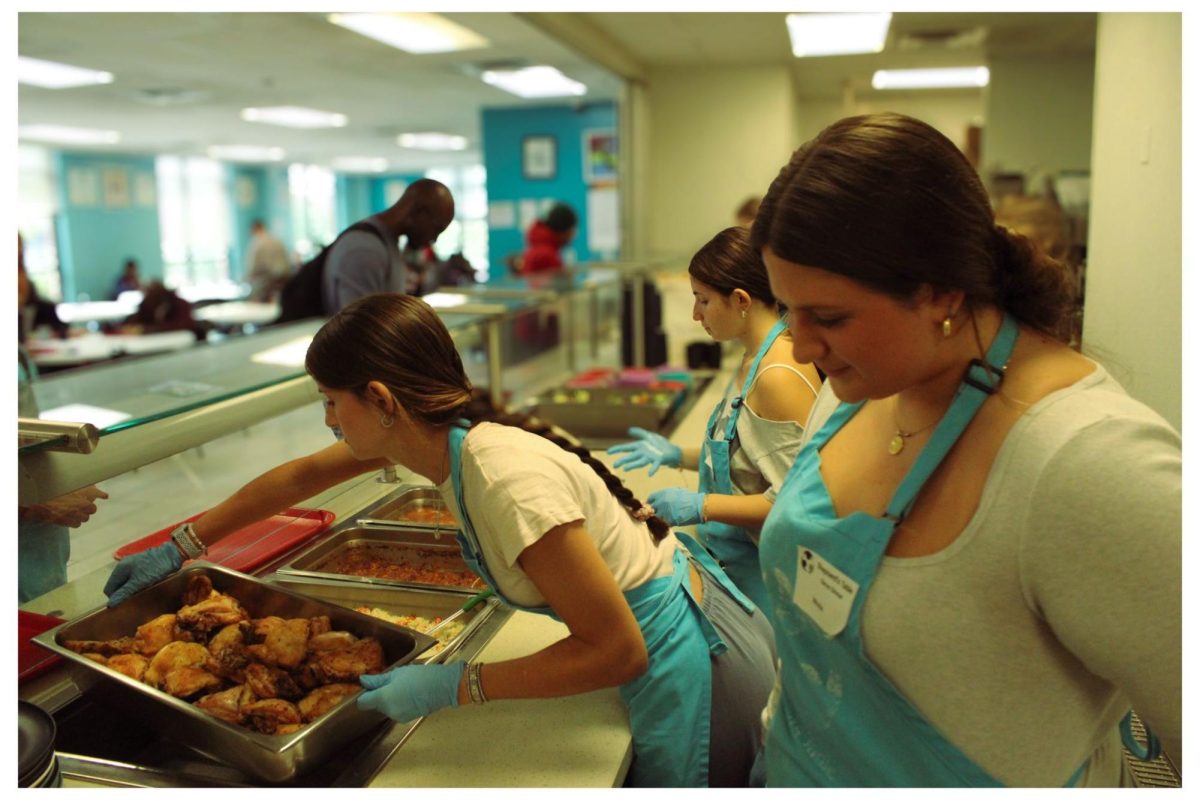
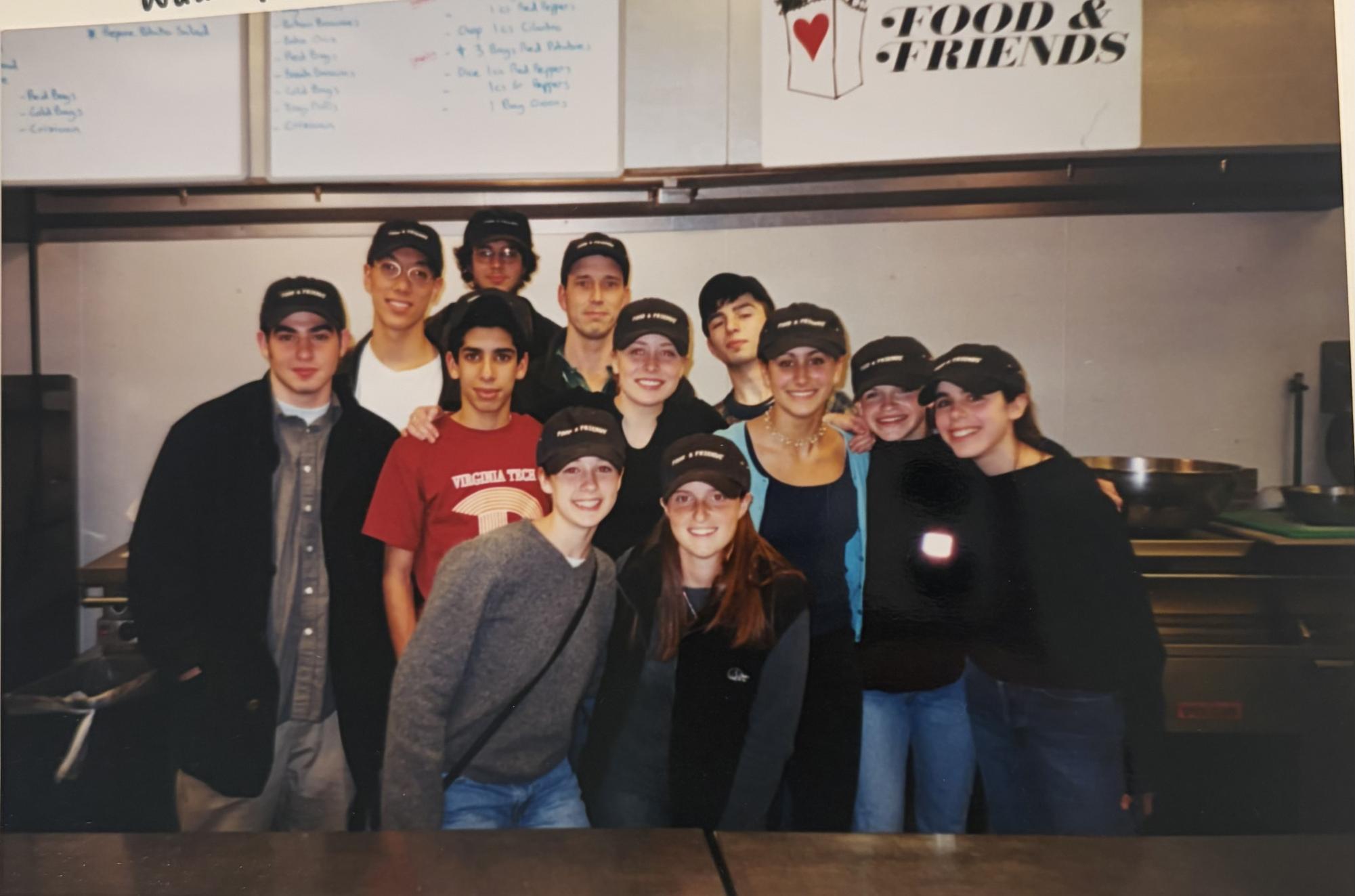
WJ’s gay and LGBTQ students were joined by many allies in their activism. As the head of WJ’s Community Service Committee, class of 2000 graduate Amy Feygin led a group of seniors in volunteering for Food and Friends, an organization that supplied meals to AIDS patients in DC.
“There would be groups of us that would take the metro there after school, maybe a few times a month,” Feygin said. “We would be given different tasks in the kitchen, like chopping onions. It was fun, but it was also really rewarding because we felt like we were doing something that was meaningful for the community.”
From their fellow volunteers at Food and Friends, Feygin and several other seniors learned about the annual AIDS Rides, a series of bike rides from Raleigh, North Carolina to DC to raise money for AIDS research and assistance. Led by math teacher Mike Laukitis, the group decided to participate in the 330-mile ride with thousands of other bikers. The group not only succeeded in completing the ride, but also completed it for a second time the year after.
“[The ride] was a huge deal,” Laukitis said. “We had to do a lot of training, because you don’t just hop on a bicycle and ride 330 miles in 3 days.”
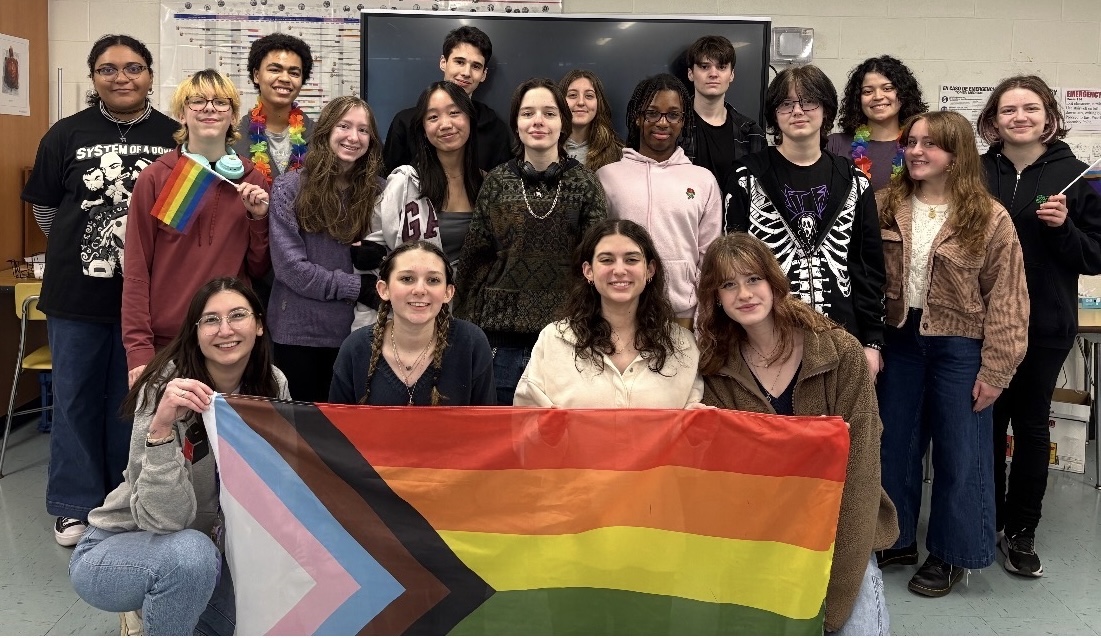
Outlook Club would eventually dissolve in the early 2000s after the graduation of its founders, but in 2006, its mantle was taken up by a new GSA: WJ’s Gender and Sexuality Alliance. Although it holds a different name, the current GSA has carried on Outlook’s legacy, providing LGBTQ students with support and opportunities to make their voices heard.
“I joined GSA as a freshman because I knew it would be a good home base in terms of community,” GSA secretary senior Julian Isaac said. “[GSA] is about finding community and seeing that there are people like you when you’re inside the room, then feeling empowered to spread awareness and help other people engage in the LGBTQ community once you leave the room.
Although the current GSA has much in common with Outlook, the club also has several unique qualities. One of these qualities is an emphasis on teaching; during meetings, officers often give presentations on subjects relating to LGBTQ history, current events or a mix of the two. During a recent meeting, officers of the club gave a presentation about the Stonewall Riots, the very event that inspired first-ever GSA’s creation in 1972.
“We do different lessons based on what’s needed, and what we see happening right now,” GSA vice president junior Kelsee Solt-Linville said. “Like what the government is doing, why gay marriage matters, what we would do if it was overturned.”
Your donation will support the student journalists of Walter Johnson High School. Your contribution will allow us to purchase equipment and cover our annual website hosting costs.