
Picture a video game character. Think of the way they look. The clothes they wear, those little details carefully designed to convey their personality or history. Maybe it’s Tracer from Overwatch, and the bright clothes that convey her happy, fun personality. Maybe it’s the zombies from Minecraft, and how their outfits are a rotted and decaying version of Steve’s own clothes. These details tell a story. This same story is being diluted and ignored in real life.
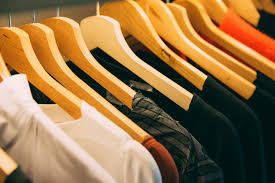
Style is something that is influenced by experiences, preference and interests, but nowadays it isn’t always emulated in the same ways. The rise of social media and quick moving trends has put a bigger emphasis on fast fashion. In return, the value of experimentation and individuality in clothing choices has diminished.
Companies, like Shein, use cheap labor to mass-produce clothing based on what is trendy at the moment. With the fast production, the companies . revenue in 2024, according to the ECDB, was 53,978 million dollars— despite its low prices on most items.
One of the problems with keeping up with short-lived trends is the amount of clothing waste it produces. According to the EPA, from 2,000 to 2018, textile waste in landfills increased by 5,020 thousand tons. People will buy clothing as soon as it becomes popular, but have no use for it when it leaves the public’s adoration.
As useful as an innovation as factory-made, mass-produced clothing was to consumer convenience and the aid of the economy, it’s now causing harm. As environmental concerns are rising, other options need to be explored. Simply choosing to thrift more clothes or make them at home would prevent this excess. Helping to dismantle the hold that fast fashion has on society, and increase expression in style choices.
Opting for fewer articles of clothing that are higher-quality and more personal would help people to have more outlets for self-expression and promote diversity, while helping the environment.
Another argument commonly brought up, especially in regards to schools, is the idea that standardizing clothing by means of uniforms decreases the capacity for bullying to take place. However, that argument advocates for placing restrictions on the victim instead of accountability for the bully.
People will already wear similar things,regardless of their taste in hopes of fitting in. Forcing it on people isn’t necessary, and forcing it on ourselves is just as harmful.
The idea that dressing differently than how social media dictates is cringe or weird is a self-fulfilling prophecy. If more and more people decide to experiment and try new things that they think they would like, they might inspire more people to do it, and it would become normal.