

On any given Friday night, students from WJ and other high schools can be found drinking and partying at houses, sports events, parks and other public places. Parents and other adults often turn a blind eye to this behavior and write it off as typical teenage antics. However, parents can take steps to prevent teen drinking from becoming a serious problem for their children.
Underage drinking has been a timeless problem among American teenagers. A common part of high school social life portrayed in countless movies and TV shows. It seems that underage drinking is implicitly accepted, even expected, in today’s society despite laws and regulations against it. Even though there are many serious consequences, teenagers continue to engage in this dangerous behavior. It is important that underage drinking is addressed and seriously combated.
Drinking can result in several serious outcomes, including car crashes, alcohol poisoning, fights, all of which pose lasting effects for students’ physical and mental health. A night of drinking can easily derail or even end a teenager’s life. Getting into alcohol induced fights can cause fatal injuries and result in criminal charges.
Aside from these life-threatening consequences, there are other serious outcomes. Students who get hooked on alcohol often fall behind in school and other extracurricular activities. Drinking at such a young age can cause teens to have health problems later in life, including alcoholism and other diseases. Alcohol incidents can result in criminal records that make finding work or getting into college significantly harder.
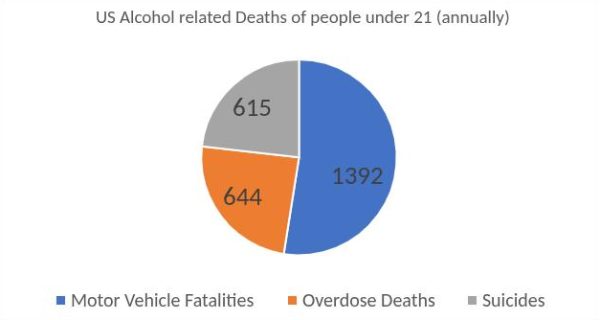
Drinking is especially harmful for teens because their brains and bodies are still developing. Alcohol disrupts this development and can lead to liver damage and decreased brain activity. This underdevelopment can lead to problems with learning in both the short and long term. Alcohol can impair a teen’s judgment and take away their ability to make decisions. When a teen is not thinking clearly, they can put themselves into dangerous situations and can have a hard time getting out of them. If a teen is in an alcohol related incident, they can sometimes be too nervous or embarrassed to ask an adult for help, only increasing the risk of a more fatal outcome. It is important that they have an adult or parent that they can trust and call during these times so that this danger is avoided.
Given this range of negative associations with alcohol consumption by teens, community organizations, along with parents, should do everything they can to discourage the practice. However, studies indicate that simple parental strictness may not be the answer. And while some hypothesize that permitting teens to drink at home under parental supervision may discourage binge drinking away from home, studies also indicate that this may not be a prime factor. According to a research article in the journal Drug and Alcohol Dependence, the most important thing parents can do to prevent problematic drinking is to be aware of who their children are hanging out with and where they are going. At home, parents who foster open communication with their teens can also support better choices. However, in the end, it is up to the teens themselves to decide whether to drink responsibly or not. The only thing that adults can do is give teens the information and tools to make this choice easy.