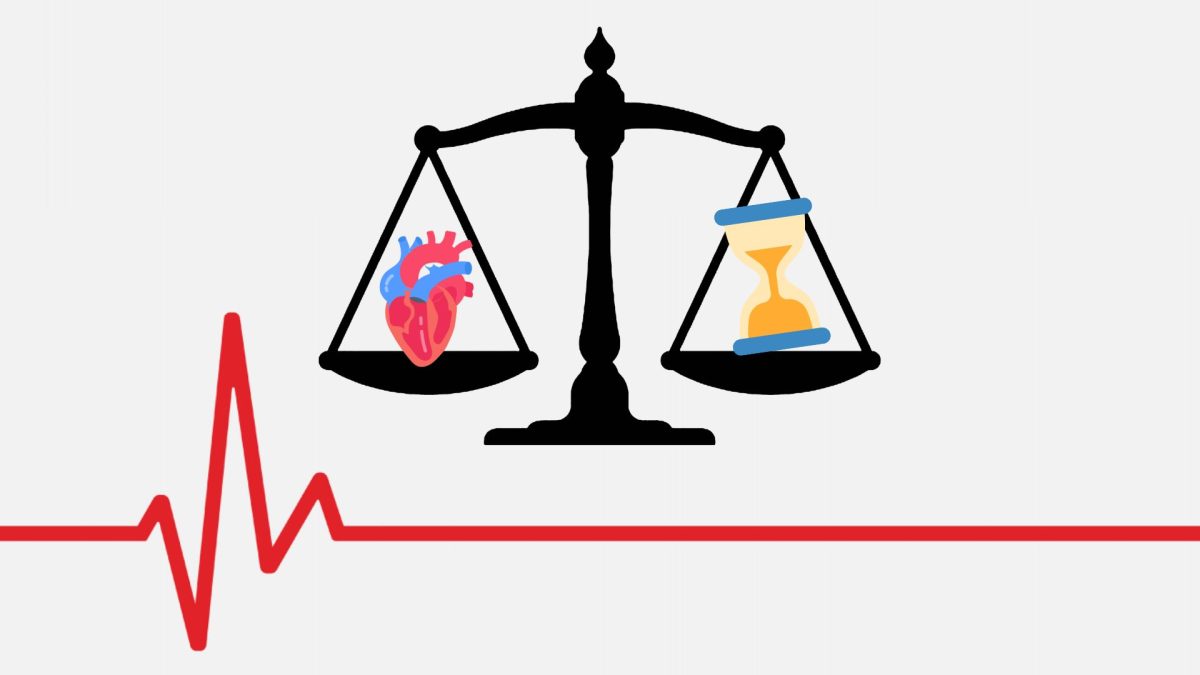
Thirteen people per day, 91 per week, 390 per month and almost 5,000 people every year die while on the waiting list for organ donation. Every eight minutes, another person joins the list of over 100,000 Americans all hoping to receive a life-saving organ transplant that, for many, will never come. For some patients, like my grandfather, Organ Procurement Organizations (OPOs) have to turn people away from joining the list due to factors such as age and health condition.
This is because OPOs need more organs and organ donors; only around 54% of adults in the US are registered organ donors. Compare that to the near 100% registration in countries like France and the United Kingdom, which both use ‘opt-out’ systems for organ donation. In those countries, adults are automatically registered for organ donation and have to make the effort to opt out of the program. This is different from the US system, in which people have to opt in. Although people get the option to become an organ donor when they go to the DMV to get their license in most states, including Maryland, the system itself contributes greatly to why registration numbers in the US are so low.
For many people, the question of whether to become an organ donor is not as easy as yes or no. For example, many are afraid that if they were ever to be injured or sick, doctors would be less willing to help them due to pressure from OPOs which are trying to fill the void of people waiting for organ donations. The truth is that OPOs aren’t even notified of a possible donor until a decision has been made by a patient or their family; OPOs are not allowed to operate in hospitals, let alone hospital rooms, by law.
All of this information should be presented up-front to Marylanders when they are asked to register to be organ donors, in place of a simple yes-or-no question. In 2024 alone, organ donations saved almost 50,000 lives across the country, which would have been impossible without trust in the organ procurement system. That trust is the most important piece of the whole process. By educating people and allowing them to make an informed decision, as a society, we can save many lives. Whether it’s because of the more than 2,000 children waiting for an organ transplant with their whole life ahead of them or the parents and grandparents getting the opportunity to spend more time with their loved ones, organ donation should be an easy choice for all Americans.