
As winter break approaches, I find myself grabbing my headphones and getting ready to head to the gym more often than before. At first, it felt like something that was unique to me, but I’ve begun to notice more and more teens are also spending their time at the gym. Being honest, it’s not an unusual sight this time of year, especially since many see the colder months as the perfect opportunity to begin their “winter arc.” Essentially, this means using the season to build discipline, stay consistent with workouts, and prepare both mentally and physically for the warmer months ahead. What results from this is that as many of us spend more time working out, we end up turning towards the guidance of popular gym influencers and fitness instructors on various social media platforms.
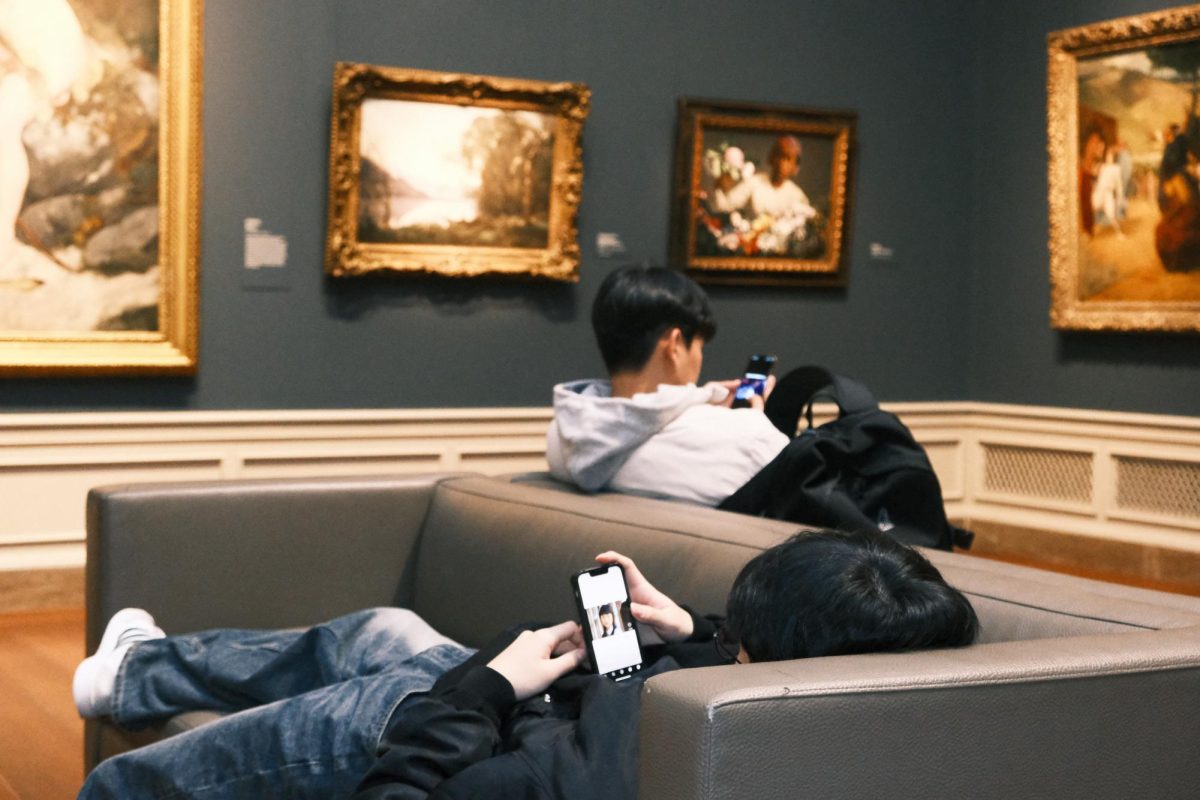
Whether we’re searching for an “easy ab workout” or “leg day routine,” what happens after we decide to commit to the gym is that we find ourselves scrolling in hopes of finding the perfect content creator who has the physique we wish to achieve. With enough scrolling, we start to view these influencers and creators in such a perfect way that we end up comparing ourselves to them greatly. As a result of this, content originally meant to encourage healthy habits quickly sets unrealistic standards for younger people, especially teens.
Influencers who help encourage healthy habits aren’t inherently bad on their own. Going to the gym not only builds a stronger and healthier body but is also particularly important during high school and college years, as it develops confidence in an individual, in addition to providing a healthy way to relieve stress. In fact, many people I know follow gym content creators on social media as an inspiration to maintain healthy habits.
The real issue begins when teens compare themselves to these content creators whose entire lifestyle revolves around fitness. For some of these content creators, working out is not just a hobby; it’s their job. Trying to follow the advice of these people can become challenging as they have physiques difficult to achieve and admittingly has left me disappointed as my results don’t end up mirroring the creator despite following their advice perfectly. Since gaining popularity online has become less difficult, many people out there don’t bother to do their research before promoting gym content and this is the problem I have with influencers online.
In addition, pressure for looks has been promoted online by these people who give out advice claiming that “there’s nothing better than being fit” or “work hard and you can look like me,” as toxic motivation for their audience. Consequently, many younger audiences end up following the unhealthy advice of these influencers and push themselves far beyond what is appropriate for their age. A 16-year-old who is trying to achieve the physique of their favorite influencer, who is 2,8 could end up going to extreme, unhealthy measures that are impossible to achieve even if they are fit for their age.
Of course, I’m not saying don’t follow influencers, but as you tie your laces and head to the gym, remember that it’s important to exercise with the goal of becoming the best you, not the influencers that you may follow.