
MCPS is facing a growing challenge; many of its school buildings are aging faster than they can be repaired. The district is now proposing a $2.7 billion plan over the next six years to fix outdated systems, repair roofs and HVAC units and make schools safer and more functional for students and staff.
According to the district’s recently released Capital Improvements Program (CIP) for 2027-2032, MCPS says this funding is critical to keep schools running. However, even with this large proposal, they admit it’s not enough. The true cost to bring all facilities up to standard is over $5 billion, showing how far in despair the county’s buildings have fallen.
“There’s a lot of schools that should be on this list, a lot, but we have limited resources,” Superintendent Thomas Taylor said.
Many schools across the county, including WJ, are feeling the effects of aging infrastructure. MCPS says 75 percent of its 238 school buildings now require major repairs or are considered functionally inadequate. Heating and cooling issues, outdated restrooms and overcrowded spaces are common complaints.
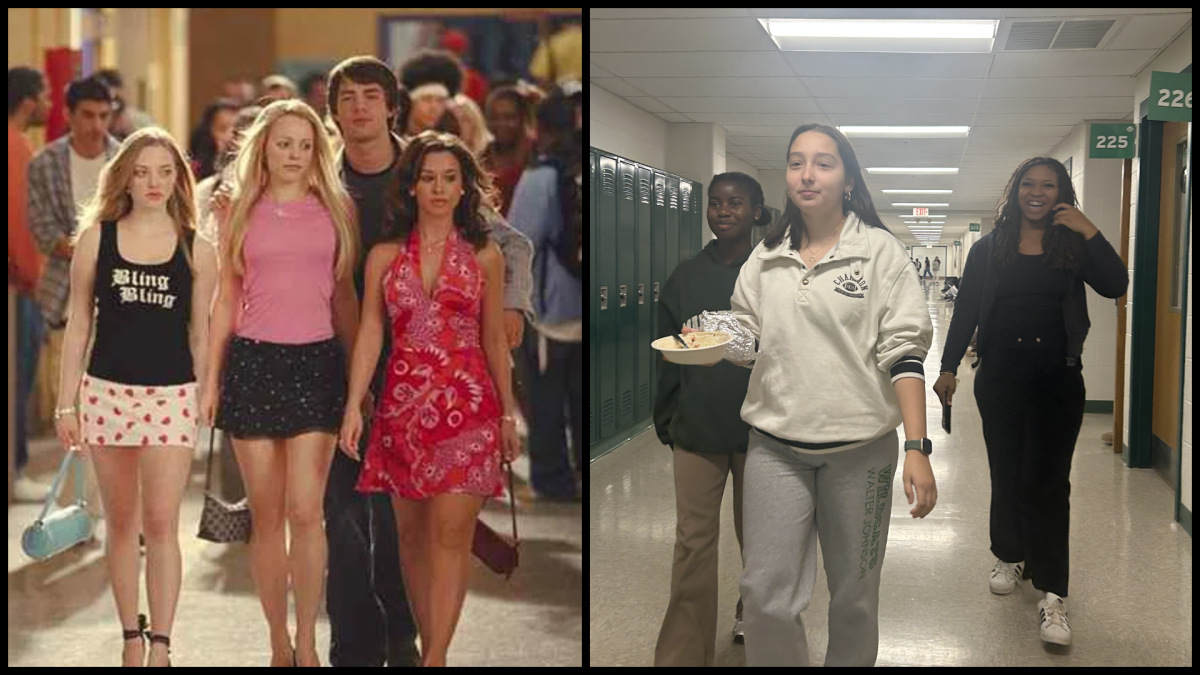
For WJ students, these problems are all too familiar. Students and staff have complained that classrooms run too hot or too cold, and older parts of the building show their age. With the new plan, students could see renovations or system replacements in the coming years. However, it might take time before those changes reach every school.
“I would put the school spending bill into bettering the AC and heat within the building along with the outside structure and appeal,” senior Nadine Badawy said.
The district’s plan focuses on using data to guide which schools get fixed first. MCPS will rely on a “facility condition index” to rank buildings based on age and urgency of repairs. Older schools and those with more serious problems will move up the list. The plan also includes doubling the budget for HVAC replacements and prioritizing equity across the county so that all students, no matter where they live, have access to safe learning environments.
Even with these priorities, the $2.7 billion request still leaves a large funding gap. MCPS leaders have said they are limited by county and state budgets, which means not every project can move forward immediately. This raises questions about which schools will be upgraded first and how long others will have to wait.
“Some schools have really great funding, but then a lot of schools don’t,” senior president Anna Jhon said. “We have to focus all our funding where we are putting our priority on the schools that have infrastructure problems that are hindering the abilities of students.”
For students and teachers, this is more than a budgeting issue; it’s about the quality of the learning environment. Studies show that building conditions affect student focus, attendance and motivation. When classrooms are uncomfortable or outdated, it can make learning harder.
“This happens especially since a lot of schools have not had a lot of consistent communication based on if their school is getting good funding or not,” Jhon said.
Public hearings on the proposal are scheduled throughout November, giving community members the chance to speak up. Students can share their experiences or attend meetings to make their voices heard.
The changes might not happen overnight, but the conversations happening now will shape what MCPS’s classrooms look and feel like for years to come.