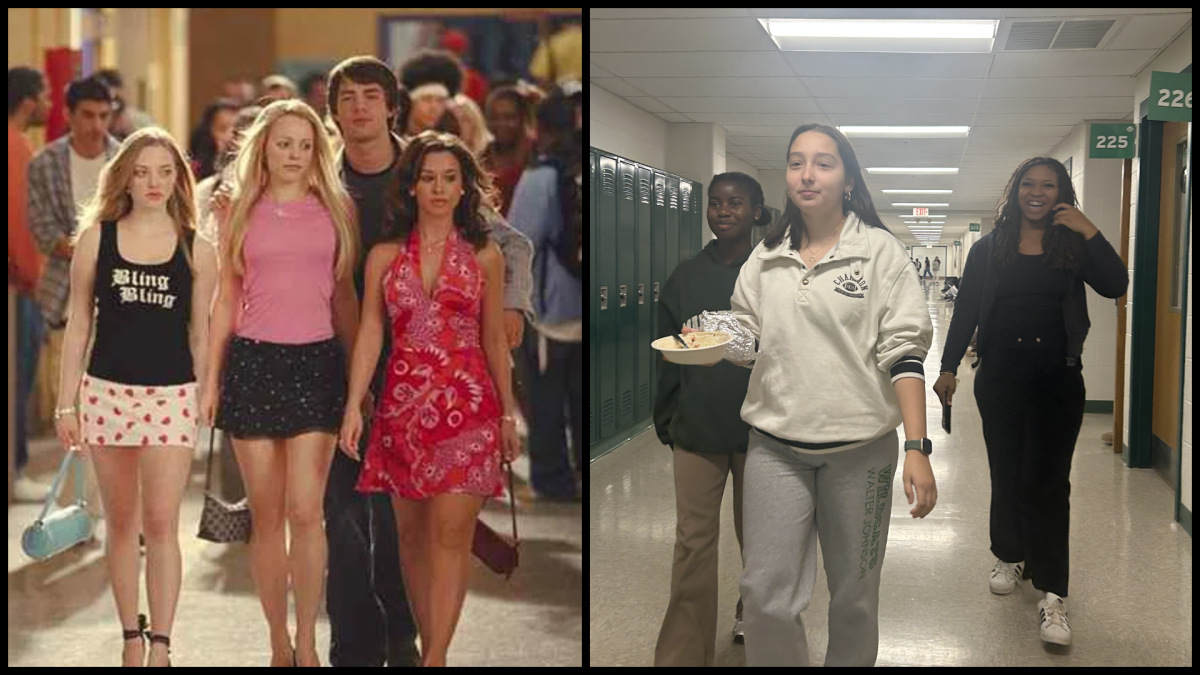
When I entered WJ freshman year, I half-expected to be dropped into the middle of a 2000s teen movie, where a queen bee ran the school and all intellectual students were social outcasts.
In reality, the school’s halls aren’t swarming with popular kids power-walking in unison or friend groups competing for attention. However, just because popularity at WJ doesn’t look like it does in Hollywood, does that mean it doesn’t exist?
The way popularity at our school works is very different from Mean Girls or Clueless. It exists, not because certain people are inherently better, but because we choose to see them that way.
Popularity is not an easily defined term. There are many interpretations that could all be applied to WJ’s environment. In sociology, this concept is split into two categories: sociometric and status. Sociometric is based on likeability. A person might be popular simply because they are kind or agreeable, making them well known. Status popularity is more about power and intimidation. Either way, these individuals influence the people around them.
High school is a vulnerable time. A built-in part of adolescence is the inherent need for approval. As much as you might want to believe that you don’t crave it, you do. It’s human nature.
As teenagers, we search for benchmarks to compare ourselves to, often seeking validation from the very people who already seem to have it. The “popular kids” are the most visible. They’re funny, social and confident, or so we assume. This assumption is the source of their power. The more we see someone as influential or superior, the more they become that way. Popularity isn’t something a person is born with, it’s a status we collectively assign.
Popularity isn’t obvious or defined. It’s subtle and unspoken. It’s considering what to wear in the morning and thinking back to the outfit of the girl in your sixth period. It’s changing your keyboard settings to automatic lowercase because that’s “just how everyone does it”. It’s coming to school with Starbucks just because you saw someone with the new drink you had to have. You don’t realize it in the moment. The drink just seems delicious, the outfit just looks good, but you subconsciously adopt these practices as a way to fit in. Don’t get me wrong, I get Starbucks twice a week and haven’t used a capital letter while texting since the eighth grade. This is not a bad thing, just a natural response we can’t control.
There is even popularity between teachers. Next time you stop by a department office, look at the way your teachers interact. According to some teachers at WJ, the popular staff members are the ones beloved by students and who have experience and admiration. It’s the people other teachers measure themselves against, the reason they might hang up certain decorations in their classrooms or implement specific activities in their lessons.
So, in short, popularity does exist at WJ, even if it’s not how you expected. The next time you catch yourself trying to change a part of yourself to be better liked, remember: there will always be someone with more friends, better style, higher grades. Before you do something drastic in the pursuit of popularity, make sure you are comfortable with your own identity. You will never find happiness unless you are happy with yourself first.