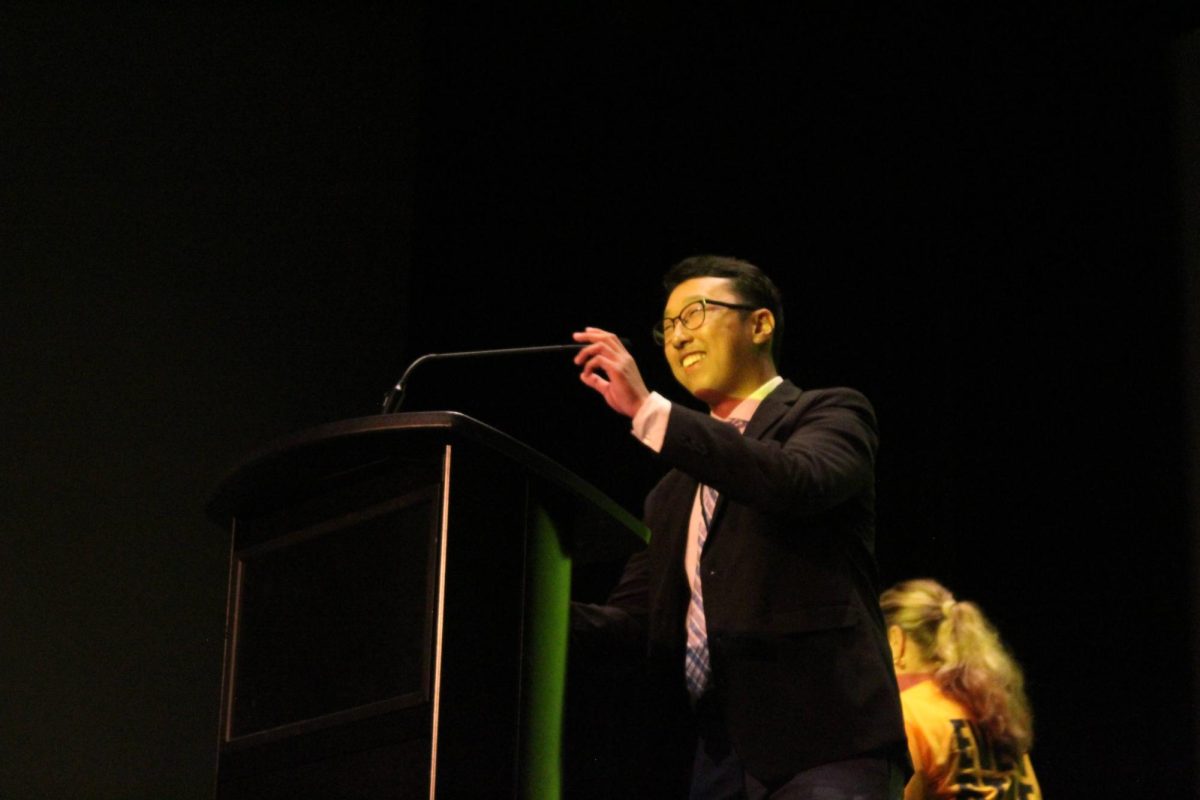
The Washington Post announced Matt Murray as their newsroom’s executive editor last June.
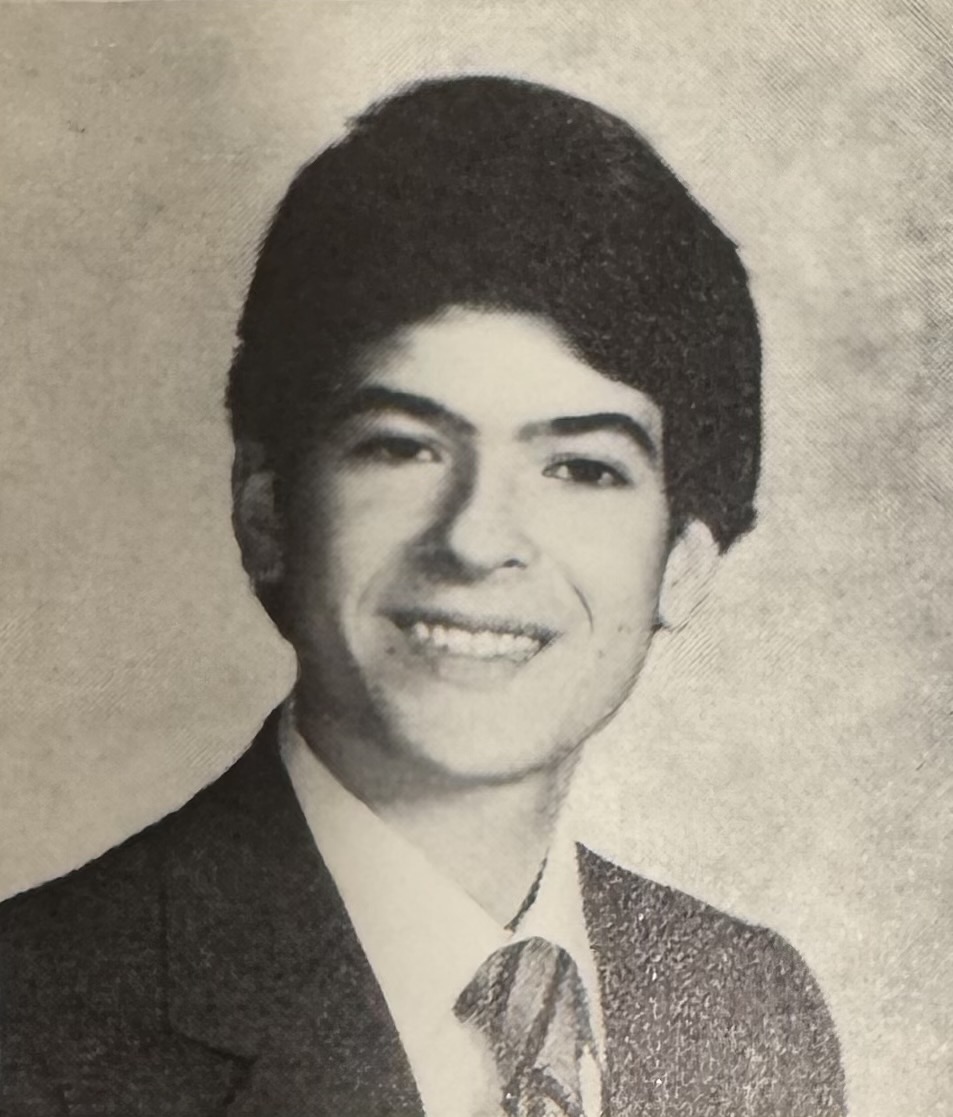
Murray, a WJ class of 1983 graduate, has more than three decades of experience in professional journalism, including as editor-in-chief of the Wall Street Journal, which set him up for the position. Murray will change roles to become the top editor for the new, third newsroom when it is officially unveiled. The newsroom will focus on off-platform, social media content.
Murray moved to Bethesda in 1972 and was mainly raised by his father after his mother died when he was seven. Murray began high school at WJ in 1979 as part of the first freshman class to enter the school. As a senior, Murray was the editor-in-chief of The Pitche; however, his year was cut short as he battled Crohn’s disease.
“I had developed quite a bad case and had several long hospital stays,” Murray said. “At the end of my senior year, I had an operation. I had a bowel resection, and the last two months, more or less, of my senior year, when I was theoretically the editor of The Pitch, other were filling in, and I was in the hospital.”
The operation caused Marray to miss every end-of-year senior event.
Outside of newspaper, Murray said he often rode bikes with friends and worked at Roy Rogers. He also took many theater classes and participated in productions at Roundhouse Theater.
While Murray said he knew he loved language coming out of high school, he was not sure whether he wanted to work in journalism or another field. He only applied to one college, Northwestern, and he said he vividly remembers Dec. 3, 1982 when his acceptance letter came in the mail.
“My theory was, ‘I could apply to the journalism school, go there, and if I don’t want to stay in journalism, I’m still at a good college,” Murray said. “It’s a real journey from D.C. I was really itching to be in a different place.”
Murray did not work for his college newspaper, but earned both a bachelor’s and a master’s of science in journalism in five years at Northwestern.
Murray started his career as a copy Editor at The Virginian-Pilot and then worked for many other newspapers. He met the Chicago bureau chief of the Wall Street Journal and began working for the Journal soon after. In his nearly three decades with the Journal, Murray held many roles, working his way up to editor-in-chief.
Murray said that during his first few months at the Post, his has tried to build relationships and gain the staff’s trust in an extremely “talented” newsroom.
In an age in which the media is more scrutinized than celebrated, Murray said that informing people with facts outweighs the backlash for him.
“This is as great, exciting and fun a job as it has ever been,” Murray said. “It’s not the easiest life, but I would really encourage people to think about it if they want to have a fun and important job in their lives. Hopefully, even if you’ve written a story that informs people or you give them some news you’re helping them in their daily lives, you’re entertaining them or you’re giving them quality information or you’re just helping people in a way that’s good.”
Just prior to the election, the Post was criticized for not publishing an opinion piece supporting a candidate. While that didn’t have to do with the newsroom (opinion pieces are run by the opinion desk), it did send waves around the newspaper and readers.
“I think there [were] a lot of people scratching their heads, trying to understand why that decision was made,” Murray said. “They had a lot of questions around what the motivation was or what it meant for them.”
Murray said that while this may have been disheartening for some, the newsroom is still independent and isn’t told what to cover by ownership.
“It was business as usual on the news side,” Murray said. “The owner and the company do not interfere on the newsroom agenda. They do not ask us to put our finger on the scale one way or another. They don’t interfere in our news gathering process. I needed to reassure people of that.”
Towards the end of his time with the Wall Street Journal, Murray helped to build up the Journal’s digital platform. This helped prepare Murray for his new role with the Post leaving the third newsroom.
Some have questioned what differentiates the third newsroom from the regular newsroom. Murray said that the main focus of the new newsroom will be off-platform content with an emphasis in audio and especially video.
“We have to do two things at the same time,” Murray said. “We have to have a really strong core Washington Post digital product and can make that stronger and better and a richer experience. And, we have to do more off-platform, more on social media, to reach readers with our journalism, including readers unlikely to subscribe to The Washington Post, but want quality, fact-based reporting and good storytelling, as well as make some money doing that.”
Murray said one driving force behind the newsroom is the change in how people are now receiving their news.
“Journalism is changing so quickly in front of our eyes, and the business conditions are changing, and habits are changing for users and young people,” Murray said.
One issue with social media journalism has been reliability. Murray said that his main pitch for the third newsroom is that it is one of the top “trusted news brands.”
Junior Dylan Cain said that he would appreciate news on social media if it was on verified pages of trusted news sources such as the Post, CNN and The New York Times, but that there currently isn’t enough trustworthy information on social media.
“I know that if there was news, I wouldn’t be able to tell apart if it’s factual and reliable or not, because most stuff is misinformation,” Cain said.
With everything that has changed in the 41 years since Murray had last lived in the Washington, D.C. metro area, Murray’s enjoyment for journalism has persisted.
“I just can’t think of another job for me like it that could have been quite as fun or satisfying,” Murray said.