
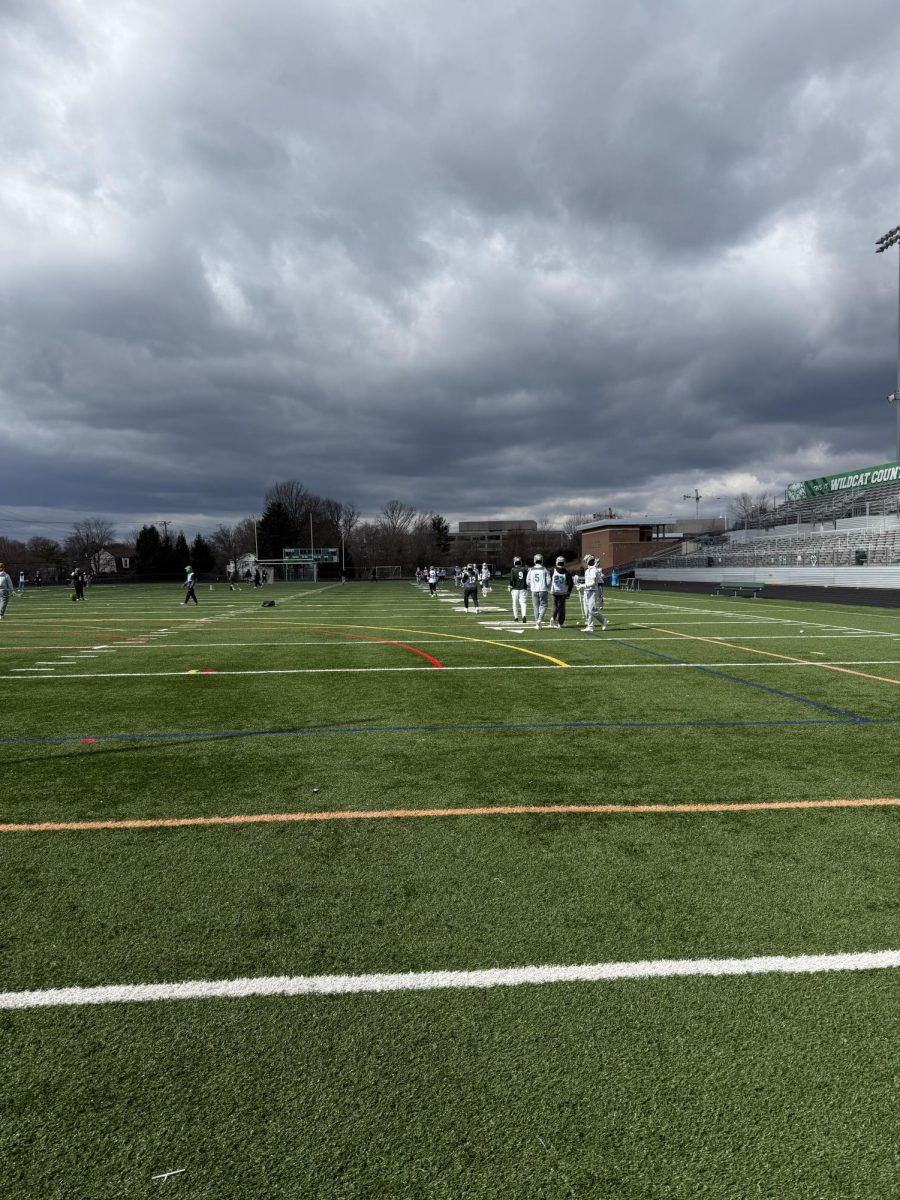
In the last decade, Montgomery County has been internally debating about the spending of taxpayer dollars on artificial turf vs natural grass fields.
In March 2025, the county proposed a six-year capital improvements program (CIP) to renew dilapidated county infrastructure, which focuses on county updates ranging from new HVAC installation to school security upgrades. The new CIP puts forward $2.79 billion to modernize educational and community infrastructure, moving away from the construction of brand new facilities. Included in this proposal is the development of six new athletic fields and replacement fields for high schools. Many involved in county athletics argue over whether MCPS should move towards a more cost-effective turf-based future despite raised health and safety concerns, or a more costly yet safe and sustainable natural grass field.
The county publicly priced out the installation of six new turf fields: each would cost an average of 2.75-3.65 million to install but only $12,000 to maintain, compared to a grass field’s relatively modest installation cost of $624,000 and maintenance cost of $100,000. However, a cheaper cost comes with significant drawbacks. Of 24 recent studies conducted on the health impacts of artificial turf fields, half reported a higher rate of ankle and foot injuries when playing on turf fields over grass fields. Turf fields can impact more than just player health: artificial turf can lead to a plethora of environmental problems, including microplastic runoff, overheating, an increase in impermeable surfaces, and a shorter lifespan.
Each alternative has its own unique advantages and drawbacks. The biggest benefit of turf fields is the cost of long-term maintenance. Although turf is significantly more expensive to install, it is far easier and more cost-effective to maintain over time. In general, an athletic field should be renewed within 10 years of its initial installation.
“Once the WJ turf field comes in, we have a contract with Montgomery County to come in and maintain the turf for us. In the past, as a grass school, it was an incredible cost to keep the Bermuda grass up to standard, because one bad weather game and it ruins a field,” Athletic Director Larry Hurd said. “Next thing you know, you’re paying thousands of dollars to update and repair it.”
Natural grass has a significant benefit over turf in many aspects from an environmental perspective. It is more sustainable long-term and has a higher surface permeability, which increases watershed health. Natural grass is also a softer, more forgiving surface, and some argue it is a superior play surface, offering more grip and a softer cushion for collision.
“When I’m doing exercises for track on it, during the summer, it really burns your arms and cuts up your skin. It feels like every couple of days there’s another player who tears their ACL playing on a turf field,” sophomore track athlete Grant Nelson said. “There’s definitely a correlation between turf fields and injury.”
Turf vs natural fields is a divisive topic in MOCO athletics, but so far, the county is leaning towards turf to serve the athletic future of our high schools.