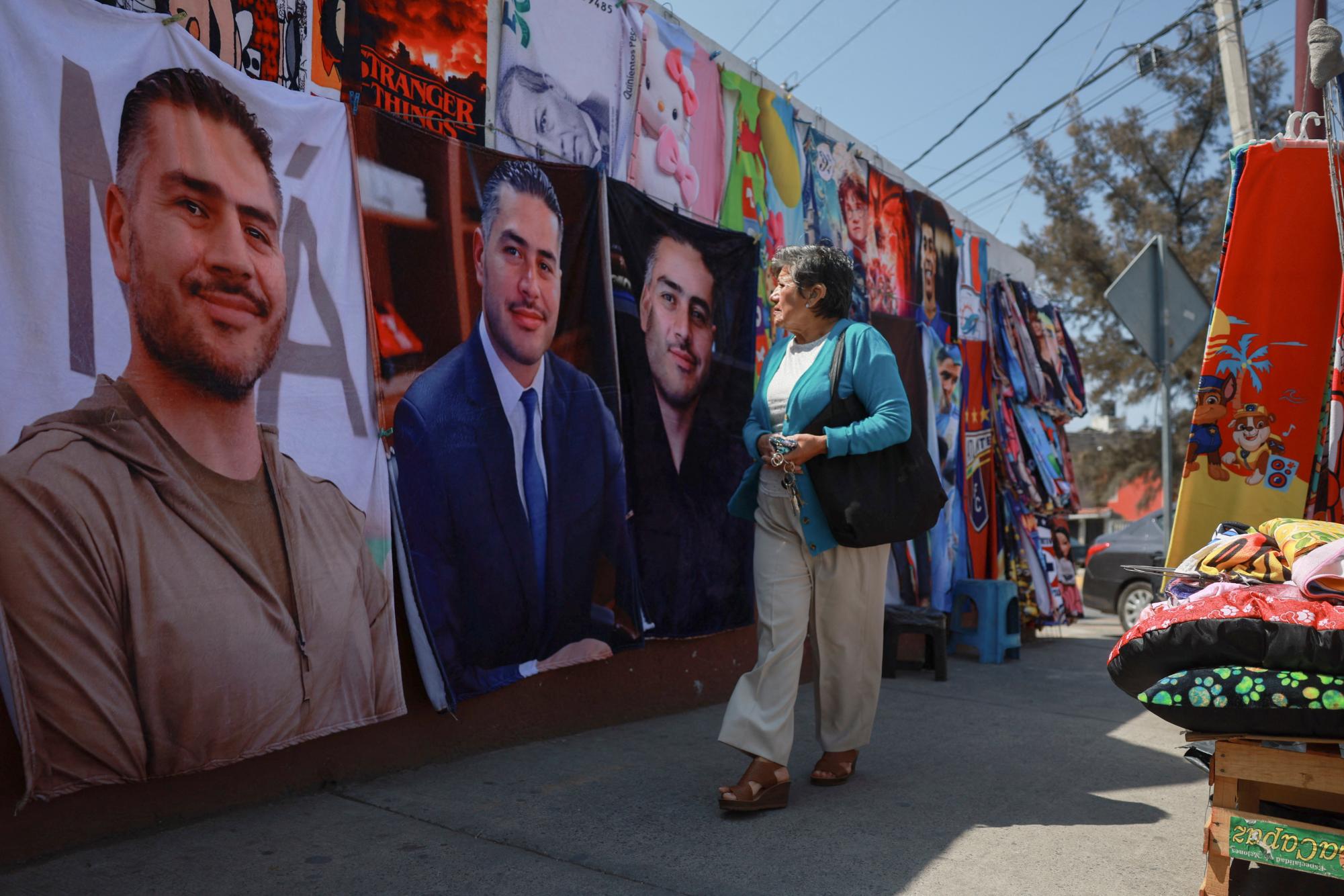


Extreme amounts of violence broke out across parts of western Mexico on Feb. 22, after news of the death of Nemesio Ruben Oseguera Cervantes, the leader of the Jalisco New Generation Cartel (CJNG). The cartel leader, known as “El Mencho,” died during a military operation performed by the Mexican security forces under intense pressure from the U.S. government.
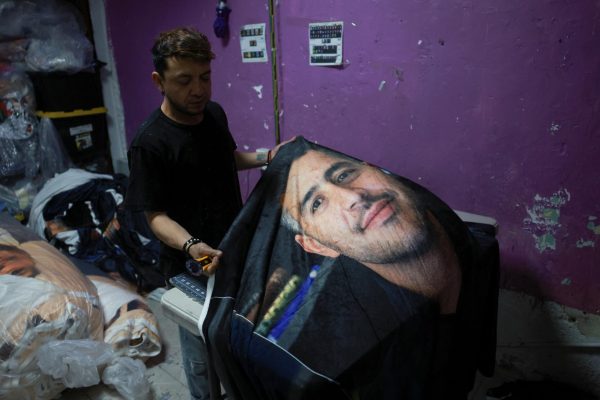
This was because Oseguera Cervantes was one of the biggest perpetrators of the Fentanyl and Methamphetamine trade into the United States, as well as being a leader within the trafficking community in Mexico. His murder jump-started several violent attacks from cartel members, causing widespread disruptions throughout the country.
Following the operation, reports rushed in from cities like Guadalajara and Puerto Vallarta with scenes of explosions, roadblocks, and burning vehicles set up by armed groups from the CJNG. Authorities in these areas stated that the cartel members were blocking highways, attacking necessary infrastructure, and setting vehicles on fire as a response to Cervantes’ death.
This quickly triggered a chain reaction that disrupted travel in and out of the region, with airports temporarily closing and airlines canceling hundreds of flights to and from Mexico due to safety concerns. Flights from many U.S. cities to western Mexico were halted as authorities advised travelers to stay indoors and avoid travel in the heavily affected areas.
The U.S. government issued warnings to American citizens in regions of Mexico, advising them to shelter in place until conditions became more stable.
For students at Walter Johnson with family in Mexico, this horrific violence hits much closer to home.
Students also feel fear for their families as tensions are rising across the country.
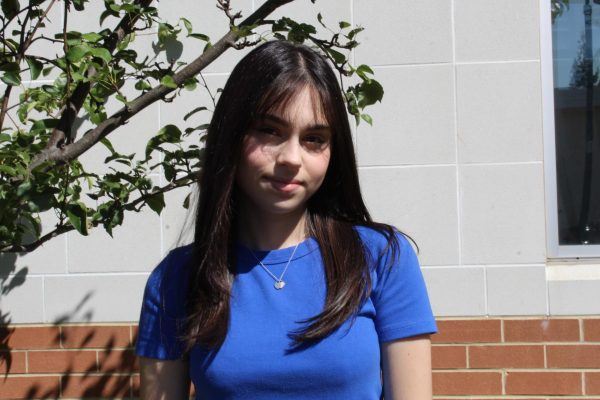
“I have family in Guadalajara, and some of them are in danger because there are 100 reported casualties, but then there’s also a bunch of kidnappings that hide the casualties that are going on currently, and it’s not a safe place to be at,” junior Dario Camungo said. “I feel worried.”
This proves the corruption within these countries with weak government oversight and the unreliable reporting that doesn’t reflect the true scale of the catastrophes. This lack of transparency with the kidnappings in Western Mexico can cause there to be less trust from the citizens in the information being reported, making it harder to address this crisis as a whole.
Concern about whether the family will be safe, or whether any consequences might trickle down into the States, causes stress for affected families. There is fear-mongering and uncertainty for those in the United States who have family living in these affected areas. Negative stereotypes about Mexicans and Hispanics as a whole have also seen an increase across the student body.
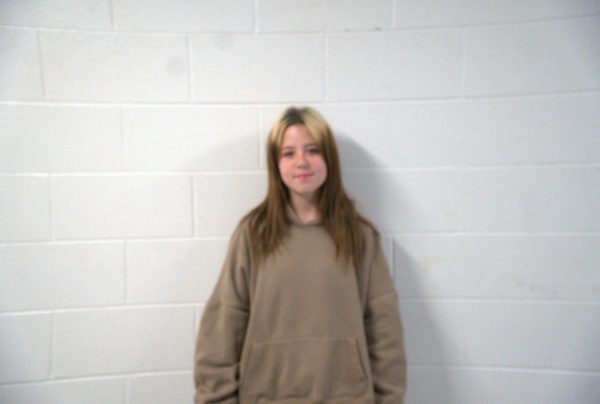
“A lot of assumptions go out about Hispanics, even those who don’t come from Mexico. I have had comments before, and over time they do come out more and more that everybody says ‘Mexico is such a bad place, this is such a bad country, I can believe you’re from there’ when I’m not even from Mexico,” freshman Leslie Guardado Gonzalez said.
Following the attacks, the Mexican government increased security and has been working hard to reopen essential infrastructure such as roads and airports. Although flights are resuming, this scary event has highlighted the continued power of drug cartels in Mexico and the impact that their violence can have on daily life, physically and mentally.
Similar to the COVID-19 outbreak, the Asian community felt the dismay of rising cliches and stereotypes. This could create spaces for stereotypes to progress towards people of Mexican descent and Latinos in general. Cliches like association with drug trafficking, being gang-affiliated, or other illegal activities could spread like wildfire and cause hurt feelings here within the WJ community.