
“You are what you wear”, so for many students interested in fashion, each outfit is an expression of their identity. Subtle stylistic choices, from colors, patterns or fabrics, are statements of their personal values and represent their authentic self.
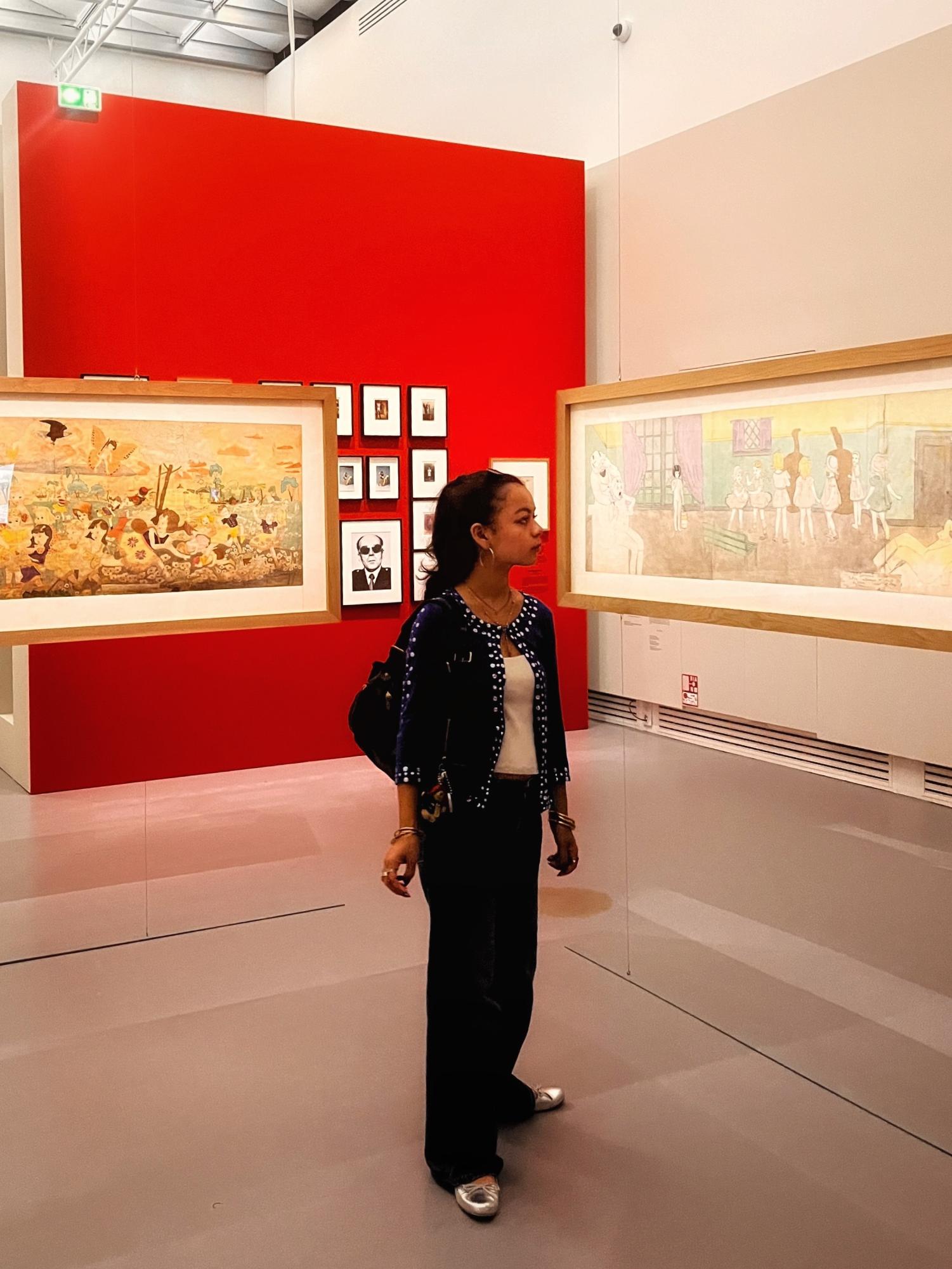
In adolescence, self-exploration is prominent. As students discover the world and their place in it, fashion allows them to showcase themselves. Junior Laura Arango exemplifies the ebb and flow of personal development through her style. As she grows and changes, she reunites with different clothing items, from low-rise jeans to graphic tops.
“I keep a lot of stuff over the years, and I never throw it away. An item I might not use this year, I might reconnect with later,” Arango said.
Popular culture serves as inspiration for the styles and subcultures that many students embody through fashion. For Senior Léa Carcenac-Ratsimbazafy, 90s popular culture influences her dark color palette, bold jewelry and long skirts–all unique manifestations of the diverse experimental nature of the decade.
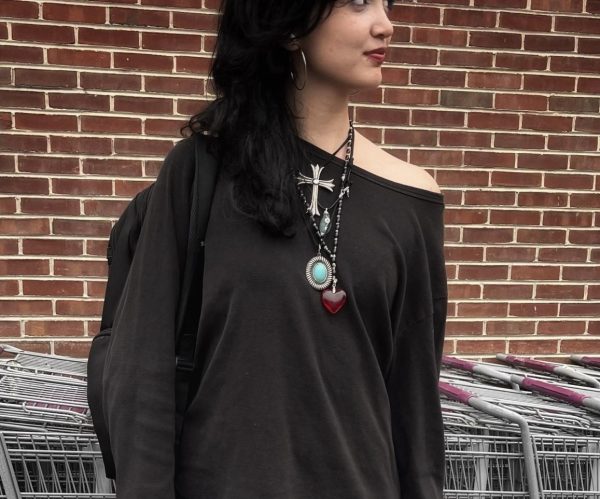
“Some of my fashion inspirations are PJ Harvey in the late 90s and early 2000s and Jane Birkin,” Carcenac-Ratsimbazafy said.
Similarly, Senior Caz Ruhlen attributes her style to musical inspirations such as The Cure, Siouxsie and the Banshees and Title Fight. Ruhlen says her “retro goth” attire is heavily influenced by the “free form style” of musicians from the 80s and 90s. Dressed in all black, adorned in sharp silver jewelry and patterned stockings, Ruhlen dresses like an undercover high school vampire.
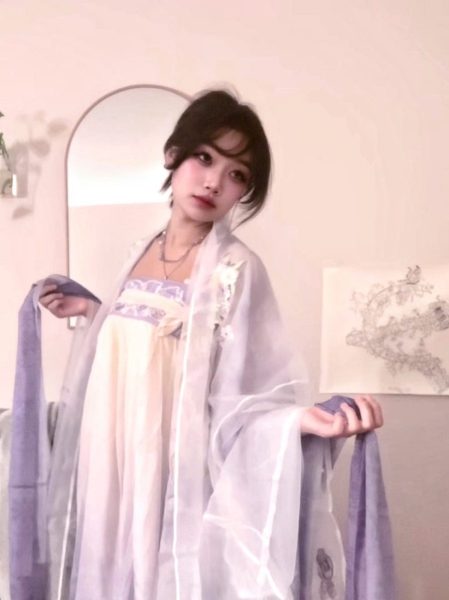
For many students exploring fashion, cultural influences complement their style choices. When not dressed in her usual mini skirts, pastel tops and knee high stockings, Senior Haneul Kim, originally Korean, shows gratitude for Chinese culture by dressing in hanfu–traditional Chinese clothing.
“I try to honor and show gratitude for the contributions China has made throughout history,” Kim said. “China has aided Korea against Western imperialism in the movement for self-determination, even standing by the genocidal war imposed on Korea.”
In addition to clothing, makeup, jewelry and hair are vital aspects of students’ appearance. Many use accessories to add to outfits that may be plain otherwise. For example, Carcenac-Ratsimbazafy adorns her outfits with statement jewelry and vibrant nails. These choices are not exactly to complement her attire, but to defy it–in an undeniably chic, avant-garde way.
“I usually wear darker colors, but then I’ll challenge that through my accessories like bold bags, nails and lots of jewelry,” Carcenac-Ratsimbazafy said.
Arango’s hair tends to change more than her style does. She dyes her hair different bright colors to add contrast to her 2000s streetwear style. “I dye my hair and cut it a lot. I just get bored, and I like to change,” Arango said, whose hair is currently a vibrant violet.
For senior Joel A., long coats thrown over dress shirts and pants are a staple part of his wardrobe. Regardless of the weather, he never fails to embrace his unique style. Dressing up is more than practicality to him–it’s a statement. A. enjoys wearing dress shirts and pants that give him a polished appearance.
“I get my coat style from Doctor Who. I like the idea of looking like the fanciest person in a room because I’m wearing an overcoat,” A. said.
A. states he has an attachment to his coats, which have been with him for most of high school. The coats that envelop him in elegance have become staple items in both his wardrobe and identity. Wearing anything else would seem strange and unfamiliar to him.
Dressing in a way that aligns with your sense of self can positively affect your personality and confidence, and for junior Henry Wheaton-Schopp, his outfits do exactly that.

“I try to keep a lot of outfits that make me look like I have confidence. A lot of confidence,” Schopp said.
Yet Schopp’s fashion journey has come a long way. He states that his style has significantly improved over the years due to stepping out of his comfort zone. Dressed in patterned jeans and a matching knit top, Schopp is evidently the most confident in the room.
“From my younger self to now, my style has improved a lot by trying to pick better clothes. Using fewer hoodies and shorts, but using more jeans and style,” Schopp said.
When asked about advice he would give to students struggling with finding their own style, Joel A. encourages students to look within themselves to discover their preferences, regardless of what others may think.
“Try and see what you got in your closet and just put some stuff on that you think works or fits you,” A. said. “You don’t have to care about what everyone thinks about what you want to wear.”
The advice most students give is not to base your style on what pleases others, but on your personal preferences. Exploring little quirks, maybe your favorite coat, hair color or musician who influences you, can truly uniquely personalize your wardrobe. I expressed properly, fashion is a reflection of your soul; it can help you uncover your authentic self in a way that you may not have otherwise.
“Don’t care what other people think. If you want to wear something, wear it. Don’t let the pressure of other people judging you shape that,” Ruhlen said.